PL
pipilandbook.com
10 Intriguing Insights Into the American Robin

Shelf read

10 Intriguing Insights Into the American Robin

While they are frequently observed in many environments, there is much to discover about this specific thrush species. The American Robin is among the most recognized and widely distributed songbirds in North America. Occupying habitats ranging from dense woodlands and open meadows to suburban gardens and city parks across Canada, the United States, and Mexico, this bird also serves as the state symbol for Wisconsin, Michigan, and Connecticut. While many recognize their cheerful, rhythmic caroling, here are several lesser-known details about this celebrated avian species.

L

Lion

Library note

Reading tip

The full chapter continues below on the soft reading shelf.

Stack

Pocket Library

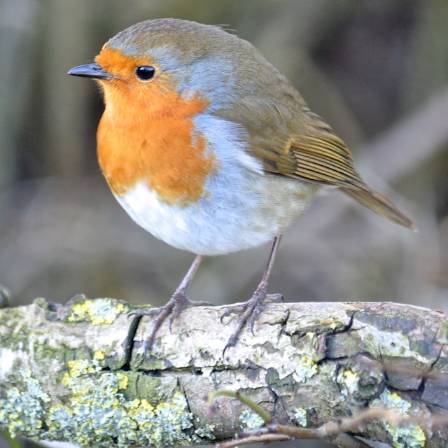
While they are frequently observed in many environments, there is much to discover about this specific thrush species. The American Robin is among the most recognized and widely distributed songbirds in North America. Occupying habitats ranging from dense woodlands and open meadows to suburban gardens and city parks across Canada, the United States, and Mexico, this bird also serves as the state symbol for Wisconsin, Michigan, and Connecticut. While many recognize their cheerful, rhythmic caroling, here are several lesser-known details about this celebrated avian species.

1. Taxonomic Classification

Across the globe, numerous bird species such as flycatchers and chats utilize the name "robin." However, the American Robin is technically a member of the thrush family, making it a close relative of solitaires and bluebirds.

2. Historical Naming and Subspecies

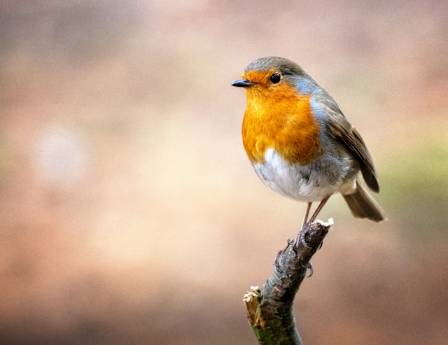
Early European colonists named this bird after the European Robin due to a visual resemblance, despite the two species being unrelated. The European version is smaller, though both share an upright stance and a reddish-orange chest. Currently, there are seven identified subspecies of the American Robin, mostly distinguished by minor variations in plumage and size. One unique population in southern Baja California stands out by lacking the typical rust-colored chest, displaying pale brownish-gray instead.

3. Diverse Nutritional Habits

Although they are famous for pulling earthworms from the ground, their diet is quite flexible. Scientific observations indicate that during autumn and winter, they rely heavily on various fruits. In the warmer months of spring and summer, they shift their focus toward worms and insects. Interestingly, birdwatchers sometimes see robins appearing uncoordinated or "intoxicated" in early spring after consuming berries that have fermented.

4. Overwintering and Social Behavior

Contrary to the belief that they always signal the arrival of spring, not every robin is a long-distance migrant. While northern groups do head south for food, many stay within their general region, gathering in large, nomadic flocks to search for winter berries. These noisy groups spend their nights roosting together in trees for safety and warmth.

5. Extensive Travel Abilities

For those individuals that do migrate, the distances can be staggering. Documented cases show that some birds trek as far as 3,000 miles during their spring movement, traveling between regions as distant as Iowa and Alaska.

6. Mating Rituals and Pair Bonds

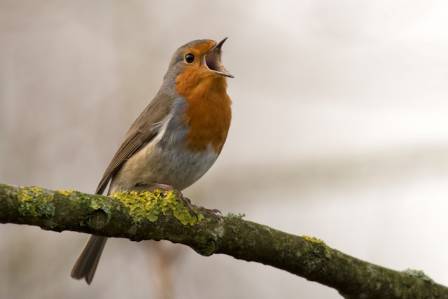
Similar to many other migratory avian species, robins generally do not stay with the same partner year after year, typically finding a new mate each spring. To attract a female at the start of the breeding season, males engage in elaborate displays. They sing loudly at sunrise, vibrate their wings, spread their tail feathers, and expand their striped throat patches to showcase their vitality.

7. Reproductive Cycles and Nesting

A single pair can produce up to three sets of offspring in a single season. Each clutch usually contains three to five distinctive light-blue eggs, which hatch after approximately a fortnight. While females often hide their cup-shaped nests in thick brush or tree limbs, they occasionally choose unusual spots like outdoor light fixtures or the ground. These structures are crafted from mud, twigs, and dry grass, and are often lined with soft materials like moss or feathers.

8. Defenses Against Brood Parasitism

Robin nests are frequently targeted by Brown-headed Cowbirds, who attempt to leave their own spotted eggs for the robins to raise. However, research has proven that robins are quite adept at identifying these foreign eggs and tossing them out before they hatch, ensuring their own chicks don't have to compete for resources.

9. Lifespan and Longevity

In their natural environment, the average life expectancy for an American Robin is about two years. However, historical records of tagged birds show that some live much longer, often reaching six to nine years. The record holder for a wild robin is an individual that survived for nearly fourteen years.

10. Population Recovery and Modern Challenges

Estimates suggest there are roughly 366 million American Robins today. However, the species faced a major crisis in the mid-20th century due to the widespread use of the pesticide DDT. They were among the primary victims of the chemical, suffering massive die-offs. Following the 1972 ban on the substance, the population rebounded healthily. Today, the main threats come from urban development. Artificial night lighting causes city-dwelling robins to begin their dawn chorus much earlier than normal, and traffic noise has forced them to adjust their songs to a higher pitch to be heard.

More on this shelf

CV

COVER · en

Top 10 Facts About Emperor Penguins

Top 10 Facts About Emperor Penguins

In the harsh, icy wilderness of Antarctica, emperor penguins stand as iconic symbols of resilience and adaptation. These majestic birds have evolved to thrive in one of the most extreme environments on Earth, boasting remarkable traits and behaviors that set them apart. Below are 10 fascinating facts that shed light on the secret lives of these Antarctic giants.

CV

COVER · en

How Long Is a Tamandua’s Tongue?

How Long Is a Tamandua’s Tongue?

Tamanduas, also known as lesser anteaters, are smaller relatives of the giant anteater. They inhabit a wide range of environments, including tropical forests, scrublands, grasslands, and wetlands, and they are frequently found close to rivers and streams.

CV

COVER · en

Beachcombing & Seashells

Beachcombing & Seashells

The Turks and Caicos Islands are surrounded by a remarkable marine ecosystem filled with colorful coral reefs, clear waters, and abundant sea life. Because of this rich underwater environment, visitors can discover a wide range of beautiful seashells along the islands’ beaches and shorelines. Many tropical Atlantic shell species found throughout the Caribbean and Gulf of Mexico can also be seen here.

CV

COVER · en

Fascinating Insights and Historical Tidbits Regarding Buses

Fascinating Insights and Historical Tidbits Regarding Buses

Buses are remarkable vehicles that play a vital role in global mobility and education. From their humble beginnings as horse-drawn carriages to the massive articulated machines of today, the history of the bus is filled with unique milestones. Exploring these facts reveals how transportation has evolved to serve the public more efficiently across different eras and continents.

CV

COVER · en

Red-Headed Vulture: The Guardian of Nature’s Cleanup Crew

Red-Headed Vulture: The Guardian of Nature’s Cleanup Crew

The Peregrine Fund played an important role in identifying the serious threat that the veterinary drug diclofenac poses to vultures. The organization was also the first conservation group to establish “vulture restaurants” in South Asia. At these sites, biologists provide carcasses that have never been treated with diclofenac, giving vultures a safe source of food.

CV

COVER · en

Floral Landscape Composition: Designing a Field Study in the Wildflower Meadows

Floral Landscape Composition: Designing a Field Study in the Wildflower Meadows

When it comes to the artistic design of floral landscapes, painters often develop personal methods to ensure their work succeeds, yet several fundamental principles remain constant. Creating a compelling study of a flower field requires a balance between observing nature and applying intentional artistic structure.