Shelf read
Beachcombing & Seashells
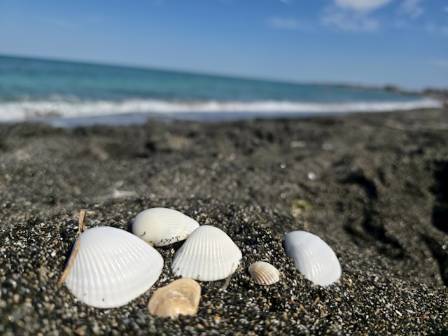
The Turks and Caicos Islands are surrounded by a remarkable marine ecosystem filled with colorful coral reefs, clear waters, and abundant sea life. Because of this rich underwater environment, visitors can discover a wide range of beautiful seashells along the islands’ beaches and shorelines. Many tropical Atlantic shell species found throughout the Caribbean and Gulf of Mexico can also be seen here.
Celeste Marlowe
Library note
Reading tip
The full chapter continues below on the soft reading shelf.
Stack
Pocket Library
The Turks and Caicos Islands are surrounded by a remarkable marine ecosystem filled with colorful coral reefs, clear waters, and abundant sea life. Because of this rich underwater environment, visitors can discover a wide range of beautiful seashells along the islands’ beaches and shorelines. Many tropical Atlantic shell species found throughout the Caribbean and Gulf of Mexico can also be seen here.
However, despite the impressive variety of shells, the Turks and Caicos Islands are not considered a top destination for serious shell collectors. Strict environmental regulations, protected marine areas, and the remote locations of many ideal beachcombing spots limit opportunities for collecting.
Protected Areas and Shell Collection Rules
The Turks and Caicos Islands contain numerous marine parks, protected coastal zones, and nature reserves where removing natural objects is prohibited.
On Providenciales, several famous beaches are located inside the Princess Alexandra National Park, including Grace Bay Beach, Leeward Beach, The Bight Beach, and Smith’s Reef. These areas are protected to preserve the island’s delicate marine environment.
On Grand Turk, much of the western coastline is included within Columbus Landfall National Park. This protected area covers popular locations such as Governor’s Beach, Cruise Center Beach, English Point, and Pillory Beach.
Beyond protected locations, additional rules apply to the export of certain marine materials, with restrictions depending on the species and the time of year.
In reality, removing an empty shell from a beach may have only a very small effect on the environment. However, regulations exist to prevent the accidental collection of shells containing living creatures, protect reef ecosystems, and ensure animals such as hermit crabs continue to have enough shells for shelter. For these reasons, collecting seashells is not legally encouraged in the Turks and Caicos Islands.
Common Seashells Found in the Turks and Caicos
The islands are home to a wide variety of seashells, including many tropical Atlantic species shared with other Caribbean regions.
Different coastal environments provide different types of discoveries. Shallow bays and protected waters are ideal habitats for conch, while areas near barrier reefs often contain cowries and triton shells. Long sandy beaches commonly reveal smaller shells, including tiny conchs, sunrise tellins, and olive shells.
The Queen Conch
The queen conch is one of the most recognizable shells found in the Turks and Caicos Islands. This large marine snail is an important local food source and produces a beautiful shell decorated with shades of soft pink and peach.
The queen conch holds special cultural importance throughout the islands. It appears on the national flag, has traditionally been used as a signal horn, and its name appears in many local businesses and place names.
Starfish Around the Islands
Although they are not seashells, starfish are another fascinating marine creature commonly encountered in the Turks and Caicos.
Four main types of starfish are often seen around the islands:
The large red cushion sea star
The smaller red thorny starfish, usually found in sheltered bays and tidal zones
The small gray two-spined sea star, commonly found in shallow sandy areas such as Taylor Bay
The delicate brittle star, which often hides beneath rocks and coral reefs
Visitors should remember that starfish are living animals. Taking them from the ocean or harming them is illegal without official permission from the Department of Environment and Maritime Affairs. Removing a starfish from the water can cause serious harm and may result in its death.
Land Snail Shells
The Turks and Caicos Islands also have several types of land snails whose shells can be found throughout the country.
Native land snails typically have small spiral shells that are white with occasional black or brown markings. Compared with marine shells, these land snail shells are usually more delicate and less durable.
A larger snail species introduced through landscaping materials produces brown shells and is more commonly found in developed areas.
Environmentally Friendly Beachcombing
A more sustainable alternative to collecting seashells is searching for natural items washed ashore, often called flotsam and jetsam beachcombing.
The less-visited beaches of the Turks and Caicos can reveal many unexpected treasures, especially during low tide. Discoveries may include old bottles, fishing floats made from glass, plastic, or aluminum, pieces of boats or aircraft, and beautifully shaped driftwood.
Messages in Bottles
On some of the more isolated beaches in the Turks and Caicos, finding a message in a bottle is surprisingly common.
Many of these bottles contain greetings or requests asking whoever discovers them to send the message onward. Unfortunately, many senders fail to seal their bottles properly, causing the paper inside to become wet, faded, or damaged.
Because of ocean currents such as the Subtropical Gyre and the North Equatorial Current, many bottles that reach these islands originate from the southeastern United States or southwestern Europe.
Sea Glass Discoveries
Sea glass is another fascinating treasure that can be found along the coast. These are broken pieces of glass that have been naturally smoothed and polished over time by waves, sand, and ocean movement.
Green and brown pieces are the most common, often coming from old beer bottles. Clear glass is also frequently found, while blue and purple pieces are less common. Rare colors such as red and orange, often created from old marine signal lights, are among the most valuable finds.
The best locations for discovering sea glass are usually rocky coves where bottles naturally collect and break, as well as areas near old docks and harbors where glass may have entered the water.
Several local artists use sea glass to create jewelry and artwork. Visitors can often see these handmade pieces at shopping areas such as Saltmills and Regent Village.
Buying Seashells in the Turks and Caicos
Seashells are often sold in souvenir shops and craft markets throughout the Turks and Caicos Islands. However, many of these products are imported from the Pacific Ocean or other Caribbean destinations rather than collected locally.
When purchasing shells, visitors should consider the environmental impact. Many commercially available shells are collected in ways that may not be sustainable.
Occasionally, locally sourced shells may appear for sale, but aside from queen conch products that follow regulations, the harvesting and exporting of seashells is generally not permitted. Items that violate these rules are not supported by the government and may be confiscated.
The best way to enjoy the islands’ shells and marine treasures is through responsible observation, photography, and environmentally respectful beachcombing.
COVER · en
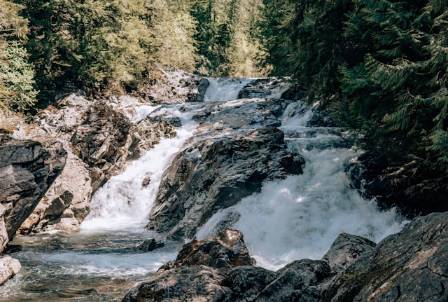
Bamboo rafting at Nine-bend River of Wuyi Mountain
Located in northern Fujian Province, Wuyi Mountain is widely recognized as one of the most spectacular mountain landscapes in southeastern China. In 1999, it was officially added to the UNESCO World Heritage List for its outstanding natural beauty and rich cultural significance. Among all the attractions in the area, the Nine-Bend River is considered the heart and spirit of Wuyi Mountain. Taking a bamboo raft ride along this famous river is one of the most unforgettable experiences and a highlight that should not be missed during a visit to Wuyi Mountain.
COVER · en

A Curated History of Cats in Art
For centuries, cats have captivated artists not only as companions but as powerful subjects imbued with symbolism, mystery, and charm. From playful companions to allegorical figures, their depiction across art movements and cultures reveals a deep and enduring fascination. The following selection highlights some of the most memorable and significant portrayals of felines in art history.
COVER · en
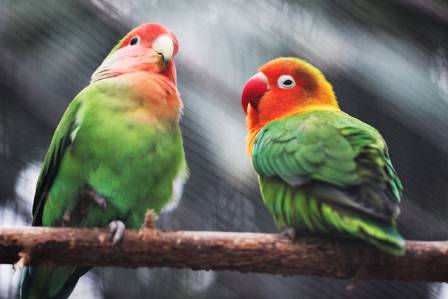
Talking To Your Parrot
Parrots are naturally very sensitive to the world around them. Their strong awareness of changes in their surroundings helps them stay alert and avoid possible dangers in the wild. Because of this instinct, parrots can quickly notice the emotions, moods, and energy levels of the people around them, especially their owners and the atmosphere of their home.
COVER · en
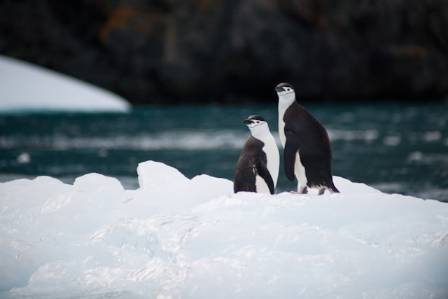
Interesting Facts about Penguins
Penguins, known for their black and white plumage and extraordinary adaptability to cold environments, are some of the world's most iconic birds. Although many people associate them with Antarctica, the unique behaviors, origins, and challenges these birds face are what make learning about them fascinating.
COVER · en
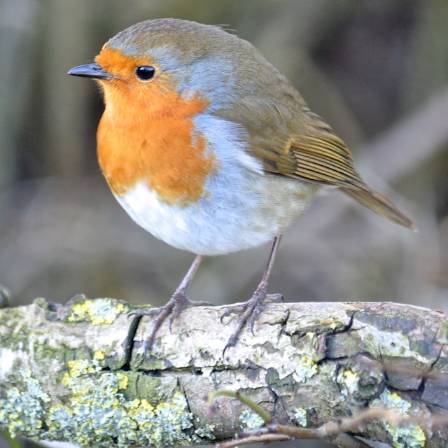
10 Intriguing Insights Into the American Robin
While they are frequently observed in many environments, there is much to discover about this specific thrush species. The American Robin is among the most recognized and widely distributed songbirds in North America. Occupying habitats ranging from dense woodlands and open meadows to suburban gardens and city parks across Canada, the United States, and Mexico, this bird also serves as the state symbol for Wisconsin, Michigan, and Connecticut. While many recognize their cheerful, rhythmic caroling, here are several lesser-known details about this celebrated avian species.
COVER · en
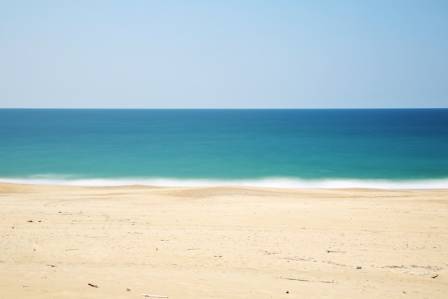
How Coastal Deposition Forms Wonderful Sandy Beaches Across Our Shorelines
Coastal landscapes feature unique geographical areas known as beaches, which develop through the steady accumulation of sediment in the zones fluctuating between the daily high and low tides. These landforms typically emerge within protected environments such as inlets or sheltered coastal pockets nestled safely between prominent headlands. Whenever a significant alteration in the shape of the shoreline occurs, it slows down moving water, allowing various sediments to become trapped and gradually accumulate over long periods. When these sandy accumulations happen specifically at the innermost curve of a bay, geographers refer to them as bay head beaches.