Shelf read
Fascinating Insights and Historical Tidbits Regarding Buses
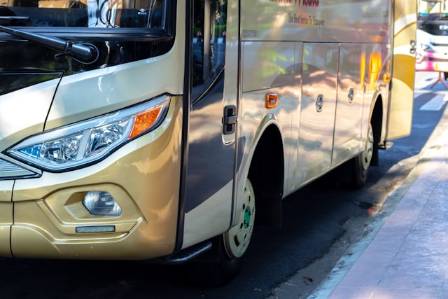
Buses are remarkable vehicles that play a vital role in global mobility and education. From their humble beginnings as horse-drawn carriages to the massive articulated machines of today, the history of the bus is filled with unique milestones. Exploring these facts reveals how transportation has evolved to serve the public more efficiently across different eras and continents.
Isaac Jonathan Kingsley
Library note
Reading tip
The full chapter continues below on the soft reading shelf.
Stack
Pocket Library
Buses are remarkable vehicles that play a vital role in global mobility and education. From their humble beginnings as horse-drawn carriages to the massive articulated machines of today, the history of the bus is filled with unique milestones. Exploring these facts reveals how transportation has evolved to serve the public more efficiently across different eras and continents.
The Etymology of the Omnibus
The term we use today is actually a shortened version of the French word "omnibus," which gained popularity in the 1820s. At that time, it described lengthy vehicles pulled by horses that ferried residents across the primary streets of Paris. Derived from Latin, the word literally translates to "for all," reflecting the inclusive nature of this mode of transit. Over time, the linguistic roots were trimmed away, leaving us with the familiar "bus."
The Invention of the Motorized Bus
Carl Benz is widely celebrated for creating the first gasoline-powered automobile, but his contributions to public transit are equally significant. In 1895, the pioneering engineer modified a passenger car to accommodate more riders, effectively building the world's first motorized omnibus. This innovative vehicle had the capacity to carry eight passengers, making motorized travel accessible to a broader segment of the population for the first time.
Global Dominance of Public Transit
Because they are both adaptable and cost-effective, buses remain the most prevalent form of public transportation on the planet. Recent data indicates that approximately 3 million buses are currently in service worldwide. The scale of this industry is immense, with a global valuation exceeding $48 billion, proving that the bus is a cornerstone of modern infrastructure and urban development.
The World's Most Massive Passenger Vehicle
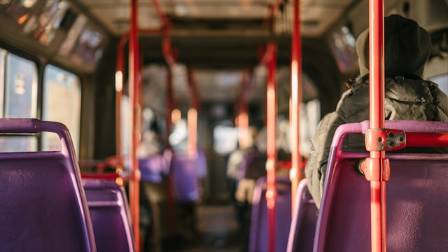
The record for the largest operational bus currently belongs to Germany's AutoTram Extra Grand. This engineering marvel spans 30 meters in length, which is roughly equivalent to 98 feet or the combined length of two and a half standard buses. Designed to handle high-capacity urban routes, this giant vehicle can transport as many as 256 passengers simultaneously.
An Epic Journey from London to Kolkata
During the 1960s, adventurous travelers could embark on the longest bus route in history. A double-decker bus named Albert transported passengers from London, England, all the way to Kolkata, India. This incredible trek spanned over 10,000 miles and took roughly 48 days to complete. The ticket price at the time was £145, a significant sum that allowed passengers to cross continents by road.
The Short-Lived Origins of Public Carriage Lines
The very first organized public transit line was established in 1662 by the famous mathematician and philosopher Blaise Pascal. Operating in France, these "five-penny coaches" used horse-drawn carriages to move people through Paris. However, the service was eventually discontinued because it was restricted to the nobility and lacked the widespread demand necessary to sustain a public utility in that era.
The Science and Safety of Yellow School Buses
The iconic hue of North American school buses is technically known as "National School Bus Glossy Yellow." While there is no specific federal law mandating this exact color, it is the industry standard for critical safety reasons. Visual research suggests that yellow is the most noticeable color to the human eye, ensuring that the vehicles are easily spotted by students and other motorists even in poor weather or low light.

COVER · en

Sunsets at Sea: The Most Breathtaking Views from the Water
Whether you are aboard a boat moving gently with the waves or drifting close to the coastline, watching the sunset from the water creates a feeling of calm and amazement that is difficult to find on land. These moments offer more than beautiful scenery; they provide a chance to slow down, reflect, and build a stronger connection with the natural world.
COVER · en

Keeping Your Strawberries Fresh
Strawberry season has arrived, and that means one of the first fresh fruits of the year is finally available. It’s an exciting time for strawberry lovers!
COVER · en

Achieving Greatness: Insights from Top Cricketers
Here are a few tips from them for young cricketers looking to follow in their footsteps.
COVER · en

8 Spectacular Kayaking Destinations Around the World
If you’re tired of paddling in your local lake, it might be time to explore some of the world’s most breathtaking kayaking spots. From icy alpine rivers to sun-drenched tropical lagoons, there are incredible locations that promise adventure, beauty, and unforgettable memories.
COVER · en
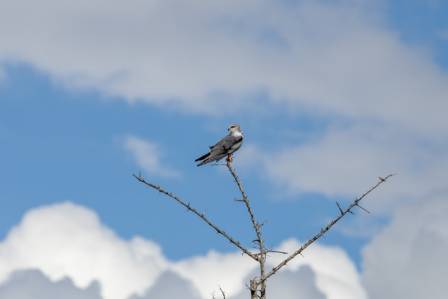
Black-winged kite: a ghost at dusk
A few weeks ago, I had the great fortune to meet a stunning black-winged kite in the Aznalcázar Marshes. This elegant bird is one of my three favorite species, and it came close enough for me to capture a wonderful series of photographs. After returning home and viewing the images on my computer, I was so impressed by its beauty that I felt compelled to share this remarkable bird with others.
COVER · en
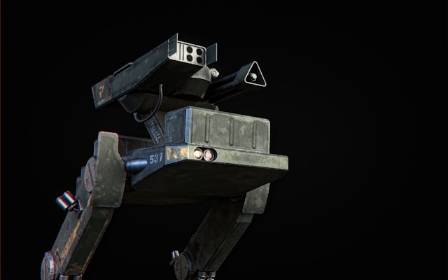
How Robots Are Pioneering Space Exploration
Space exploration has traditionally been the realm of intrepid astronauts and cutting-edge spacecraft. Yet, in recent years, a new kind of explorer has emerged—robots that surpass human physical limits to venture into the far reaches of the cosmos.