Shelf read
The sika deer : A fascinating species native to East Asia
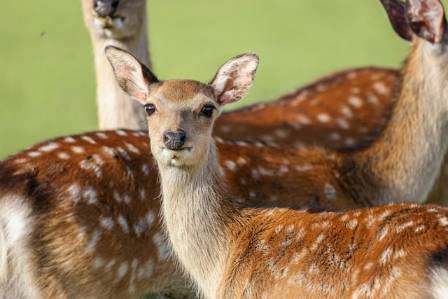
The sika deer (Cervus nippon) is a medium-sized deer native to much of East Asia, including Japan, Taiwan, eastern China, Korea, and parts of Russia. Although their original distribution has decreased in some areas, sika deer have been introduced to numerous regions around the world, including Europe, Australia, New Zealand, and the United States.
Damon Wilder
Library note
Reading tip
The full chapter continues below on the soft reading shelf.
Stack
Pocket Library
The sika deer (Cervus nippon) is a medium-sized deer native to much of East Asia, including Japan, Taiwan, eastern China, Korea, and parts of Russia. Although their original distribution has decreased in some areas, sika deer have been introduced to numerous regions around the world, including Europe, Australia, New Zealand, and the United States.
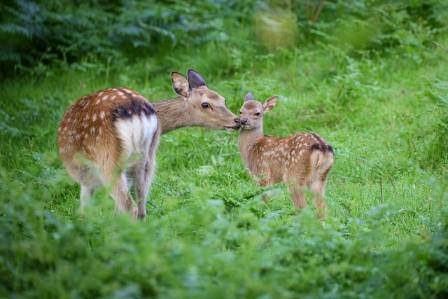
One of the most recognizable features of sika deer is their spotted coat, which remains visible into adulthood. During summer, their fur is reddish-brown and covered with prominent white spots. This pattern helps them blend into the broken sunlight and shadows found beneath forest canopies.
As winter approaches, their coat becomes darker, generally changing to brown or gray, while the spots become much less obvious. Male sika deer, known as stags, also develop a thick, dark, shaggy mane around their neck during the colder months.
Sika deer have a distinctive white rump patch bordered by black along its upper edge. Their tail is white as well, with a dark stripe extending down its center.
Antlers and Body Size
Male sika deer grow a new set of antlers every year. Mature stags commonly develop antlers with four points, although individuals can occasionally grow as many as eight points.
Their antlers are relatively narrow and curve backward rather than projecting forward. This shape differs from the antler structure associated with animals such as the Japanese macaque mentioned in the original comparison.
Sika deer show considerable variation in body size between the sexes and among subspecies. Adult stags generally stand about 70–95 cm at the shoulder and weigh approximately 40–70 kg. Hinds are smaller, measuring around 50–70 cm at the shoulder and weighing roughly 30–45 kg.
The Manchurian sika of mainland Asia is the largest subspecies, while the Japanese sika found in southern Japan is the smallest.
Sika Deer Subspecies and Distribution
Depending on the taxonomic authority being followed, between six and 14 subspecies of sika deer are recognized.
Important examples include the Japanese sika (C. n. nippon) of southern Japan, the Formosan sika (C. n. taiouanus) native to Taiwan, and the Manchurian sika (C. n. mantchuricus) found on mainland Asia.
Many of the sika deer populations introduced to other parts of the world originated from the Japanese subspecies.
Across portions of their native range, sika deer populations have experienced substantial declines as a result of hunting, habitat destruction, competition with introduced deer, and competition with livestock.
Japan is an important exception. Sika deer remain extremely numerous there, partly because natural predators are scarce and hunting is subject to strict regulations. The species has also established thriving populations in many locations where it has been introduced.
Behavior and Social Organization
Sika deer are primarily crepuscular animals, meaning they are most active around dawn and dusk.
Outside the breeding period, males and females generally live separately. Stags may spend time alone or gather into loose groups of males, while hinds usually form small family groups together with their young.
Sika deer are notably vocal animals and possess a varied communication system containing at least 10 different types of calls. During the breeding season, stags produce a characteristic high-pitched whistle that is often referred to as a “bugle.”
Diet and Feeding Habits
Sika deer are mainly browsers and consume a wide variety of plant material. Their diet includes grasses, forbs, leaves, and twigs.
They are also willing to feed on cultivated crops, which can create conflicts with farmers in regions where deer populations are high.
Sika deer are strong swimmers and readily enter the water. They may swim to escape predators or travel to islands.
When startled, a sika deer may raise its tail and expose its conspicuous white rump patch while producing a barking alarm call to signal danger.
Preferred Habitat and Population Trends
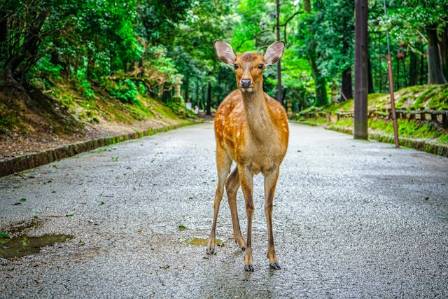
Sika deer generally favor forested environments with thick understory vegetation. They are most commonly associated with temperate and subtropical habitats.
Outside their original range, however, they have demonstrated considerable adaptability. Introduced populations can also survive successfully in open grasslands and wetland areas.
Areas with relatively low annual snowfall are particularly suitable for sika deer. Heavy snow can make it more difficult for them to reach sufficient food.
In Japan, sika deer populations have increased dramatically over recent decades. Their high numbers have resulted in extensive browsing pressure on native forests, affecting vegetation and forest ecosystems.
Elsewhere within their native distribution, including China and Korea, sika deer face threats from hunting and habitat loss.
The situation among introduced populations varies considerably. In some regions, they are regarded as valuable game animals, while in others they are considered potentially invasive because of their effects on native ecosystems.
Sika Deer Introduced Around the World
Sika deer have been deliberately introduced into many countries, frequently as ornamental animals for parks, estates, and private collections.
In Europe, introduced populations occur in countries including Austria, Belgium, the Czech Republic, Denmark, Finland, France, Germany, Ireland, Lithuania, the Netherlands, Norway, Poland, Russia, Sweden, Switzerland, and the United Kingdom.
In North America, they have been introduced to Canada and the United States, with populations recorded in Colorado, Kansas, Maryland, Michigan, Minnesota, Missouri, Nebraska, New York, North Carolina, Oklahoma, Pennsylvania, Texas, Virginia, and Washington.
In Oceania, introduced populations occur in Australia and New Zealand. Other introduced populations have also been established in Brazil and South Africa.
Ecological Effects of Introduced Sika Deer
Sika deer can cause ecological problems in some regions where they have been introduced.
Heavy browsing can change native plant communities by removing vegetation and altering the composition of forests and other habitats. Sika deer may also compete with native deer species and cause damage to forestry plantations and agricultural crops.
In the United Kingdom, another concern is their ability to interbreed with native red deer. Hybridization has raised concerns about the genetic integrity of native red deer populations.
Hunting and Human Interactions
Sika deer are an important game species in both their original range and many areas where they have been introduced.
In Japan, regulated hunting is used in part to manage populations that have become excessively abundant. Hunting can also generate economic benefits through venison and wildlife tourism.
In Europe and North America, hunters often value sika deer because they are difficult to locate and pursue. The challenge of hunting them makes the species particularly attractive to some hunters, while the impressive antlers of the Manchurian subspecies are sought by trophy hunters.
At the same time, sika deer can create conflicts with human activities. Their browsing can seriously damage commercial forests, while feeding on crops can reduce agricultural production.
Sika deer can also carry ticks capable of transmitting diseases such as Lyme disease, creating an additional concern for human health.
Sika Deer and Ecotourism
Despite the challenges they can create, sika deer have become an important attraction for wildlife tourism in locations such as the Scottish Highlands and Nara in Japan.
In Nara Park, sika deer have traditionally been regarded as sacred messengers of the gods and continue to receive special protection. The deer have become remarkably accustomed to people, and visitors can purchase special crackers intended for feeding them.
Cultural Importance in Japan
Sika deer have played an important role in Japanese culture for centuries. Within Shinto, Japan's indigenous religious tradition, sika deer have traditionally been regarded as sacred animals and messengers of the gods.
Nara Park, which is home to Todaiji Temple and Kasuga Shrine, is particularly famous for its deer. More than 1,200 sika deer roam freely throughout the area, where they are protected as national treasures.
According to traditional legend, a divine figure arrived in Nara riding a white deer. This story contributed to the belief that deer were sacred animals. Until the 1600s, killing one of these protected deer could result in the death penalty.
Although the deer are no longer officially treated as sacred in the same way today, they remain protected and deeply respected. Each summer, a ceremony takes place at Kasuga Shrine to honor the sacred deer.
Sika Deer in Japanese Art
Sika deer have also been an enduring subject in Japanese art.
For centuries, they have appeared in ukiyo-e woodblock prints and paintings. Artists often portrayed them as graceful and noble animals alongside cherry blossoms or maple leaves, imagery associated with the changing seasons.
The power and elegance of male sika deer, particularly their impressive antlers, have long been admired within Japanese artistic and cultural traditions.
A Different Cultural View of Deer
The Japanese relationship with sika deer differs from the way deer are commonly viewed in many Western societies, where they are frequently regarded primarily as game animals.
In Japan, sika deer have a much deeper cultural connection to religious beliefs and artistic traditions. This history has influenced approaches to deer management, with greater emphasis often placed on controlling populations and reducing environmental damage rather than relying primarily on sport hunting.
Regulated hunting does still take place outside protected areas, but the cultural significance of the species remains an important part of how sika deer are perceived.
The Continuing Importance of Sika Deer
The sika deer remains an important species both ecologically and culturally in Japan. Its ability to adapt to different environments has also allowed it to establish populations far beyond its ancestral range across the Japanese archipelago.
As sika deer spread into new parts of the world, they have acquired new relationships with local ecosystems and human communities. In some places they are valued as wildlife and hunting resources, while elsewhere their growing populations create concerns over habitat damage, competition, and invasive impacts.
Their distinctive spotted coats, varied body sizes, adaptable behavior, and deep cultural history make sika deer a particularly notable species within the deer family.
COVER · en

10 Charming Sitting Poses That Elevate Your Photos
When it comes to portraits, how you sit can completely transform the vibe of your picture. Whether snapping casual shots with friends or working with a professional photographer, knowing a few versatile poses helps you look natural, stylish, and confident. From relaxed angles to playful twists, these sitting ideas will bring variety and creativity to your photo collection.
COVER · en
Easy-to-Care-For Saltwater Fish for Beginners
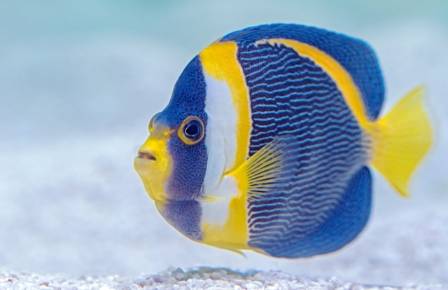
Starting a saltwater aquarium can feel overwhelming for a new marine hobbyist. Choosing the right fish requires careful consideration of several factors, including personality, feeding preferences, aquarium size, and water temperature needs.
COVER · en

Beachcombing & Seashells
The Turks and Caicos Islands are surrounded by a remarkable marine ecosystem filled with colorful coral reefs, clear waters, and abundant sea life. Because of this rich underwater environment, visitors can discover a wide range of beautiful seashells along the islands’ beaches and shorelines. Many tropical Atlantic shell species found throughout the Caribbean and Gulf of Mexico can also be seen here.
COVER · en

Planting Succulents in 7 Simple Steps for Beginners
Starting a succulent garden can feel a bit overwhelming at first, but it is actually quite straightforward once you break it into simple steps. You begin by collecting the right supplies, then move on to understanding your local climate and light conditions, and finally prepare soil, arrange plants, and maintain them properly. Once these foundations are in place, succulents are generally low-effort and highly rewarding plants to grow.
COVER · en
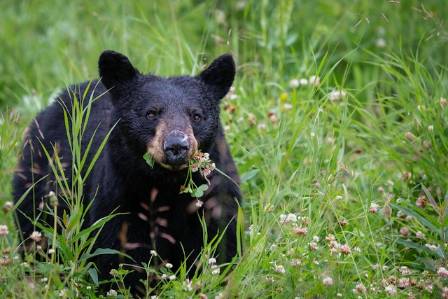
Biological Information on the Asiatic Black Bear
Asiatic black bears, often known as moon bears, are one of the eight recognized species of bears in the world. They are medium-sized bears that generally stand around 4.5 to 5.4 feet tall and weigh approximately 198 to 254 pounds. Males are typically larger than females and can reach weights of up to 400 pounds.
COVER · en
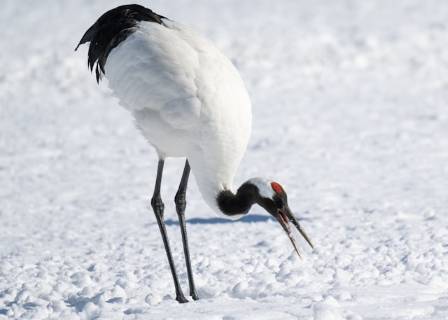
The Majestic Red-Crowned Crane
The red-crowned crane is one of the largest and heaviest crane species in the world. Adults usually reach a height of approximately 150 to 158 cm (4 ft 11 in to 5 ft 2 in) and weigh between 4.8 and 10.5 kg (11 to 23 lbs). Their impressive wingspan can extend from 220 to 250 cm (7 ft 3 in to 8 ft 2 in), giving them a powerful and elegant presence in flight.