Shelf read
Planting Succulents in 7 Simple Steps for Beginners
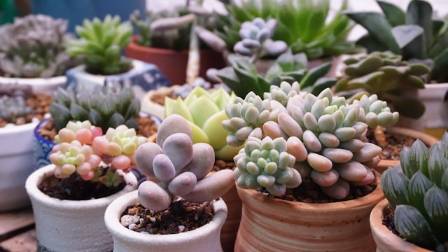
Starting a succulent garden can feel a bit overwhelming at first, but it is actually quite straightforward once you break it into simple steps. You begin by collecting the right supplies, then move on to understanding your local climate and light conditions, and finally prepare soil, arrange plants, and maintain them properly. Once these foundations are in place, succulents are generally low-effort and highly rewarding plants to grow.
Julian Ravens
Library note
Reading tip
The full chapter continues below on the soft reading shelf.
Stack
Pocket Library
Starting a succulent garden can feel a bit overwhelming at first, but it is actually quite straightforward once you break it into simple steps. You begin by collecting the right supplies, then move on to understanding your local climate and light conditions, and finally prepare soil, arrange plants, and maintain them properly. Once these foundations are in place, succulents are generally low-effort and highly rewarding plants to grow.
Gather Your Materials
Before planting succulents, the first step is assembling everything you need.
You will need a soil mix that drains well. A suitable blend usually contains around 60% inorganic components such as sand, pumice, or perlite. This structure prevents excess moisture from staying around the roots and reduces the risk of rot.
Basic gardening tools are also important. A small hand shovel helps with planting, while gloves protect your hands. A moisture-checking tool, such as a meter or even a simple wooden stick, can help you judge when watering is necessary.
Choose containers that have drainage holes. Clay or terracotta pots are especially useful because they allow air movement and help soil dry evenly. Make sure the pot size matches the plant’s root system.
It is also important to select succulent varieties that match your regional growing conditions and temperature range so they can adapt easily.
Understand Your Climate
Before planting, you should evaluate your environment carefully.
Succulents generally prefer moderate to warm temperatures, often thriving between 60 and 80°F. Some hardy varieties can tolerate colder conditions, while others need consistently warm environments above 50°F.
Certain types, such as Sempervivum or hardy Sedum, can survive freezing temperatures, while more delicate species cannot. Checking your local seasonal patterns helps you decide what will grow successfully.
Evaluate Sunlight Conditions
Light exposure is one of the most important factors for succulent health.
Most succulents need at least four to six hours of sunlight daily. Many do well with a few hours of direct morning light combined with bright indirect light later in the day.
Different areas in your home or garden may receive different light levels, so observe how sunlight moves through your space.
Signs of poor lighting include stretching stems, fading color, or weak growth. Too much direct sun may cause scorched or bleached patches on leaves.
Indoor succulents generally perform best near bright windows, especially south-facing ones, or under artificial grow lights if natural light is insufficient.
Choose the Best Location
After evaluating light and temperature, select a proper planting site.
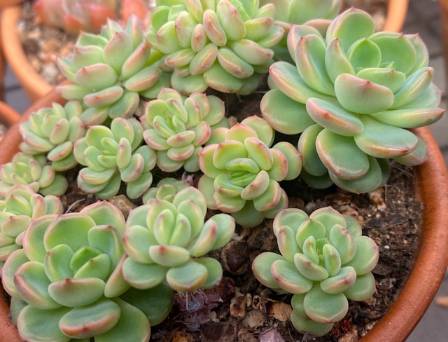
The chosen area should provide enough sunlight for your succulents’ needs, usually several hours per day. It should also allow enough space between plants to ensure airflow and prevent overcrowding.
Avoid places where water collects or soil stays wet for long periods, as succulents are highly sensitive to excess moisture and root decay.
Accessibility also matters. A location that is easy to reach makes watering, trimming, and inspection much simpler.
Spacing plants correctly from the beginning helps reduce maintenance later and improves long-term growth.
Prepare the Soil
Soil quality plays a major role in succulent health.
A proper succulent mix should drain quickly. A common formula includes about 60% mineral-based material combined with some organic matter for nutrients.
Good drainage is essential because standing water can quickly damage roots.
You should also avoid compacted soil. Loose texture allows roots to breathe and prevents fungal problems.
Adding materials like perlite or coarse sand improves aeration and helps maintain a stable structure over time.
It is best to avoid regular garden soil, as it tends to retain too much water and becomes compacted easily.
Arrange Your Plants
Before planting, plan your layout visually while keeping plants in their pots.
Combine different shapes, textures, and colors to create visual interest. Mixing upright, trailing, and compact varieties adds depth to the arrangement.
Pay attention to plant size. Taller succulents should not block smaller ones from receiving light.
Proper spacing is important to allow airflow and prevent disease. Crowded plants compete for resources and may weaken over time.
Adjust positions freely until you find a balanced arrangement that looks natural and visually appealing.
Transplant Carefully
When moving succulents into soil, handle them gently.
Remove the plant slowly from its container to avoid damaging roots. Lightly loosen old soil without tearing the root system.
Place the succulent into fresh, well-draining soil and ensure it is stable and upright.
After planting, avoid watering immediately. Waiting a short period allows any minor root damage to heal and reduces the risk of infection.
After a few days, you can begin normal care and monitor how the plant responds.
Watering and Maintenance
Although succulents require little maintenance, proper watering habits are essential.
Water only when the top layer of soil has completely dried. This usually happens every one to two weeks depending on environment and season.
Always water the soil directly rather than the leaves to prevent decay.
Adjust watering frequency based on climate. Warmer months may require more frequent watering, while cooler months require less.
You can check moisture using a simple stick or moisture meter before deciding to water.
Healthy succulents have firm leaves. Soft or mushy leaves often indicate too much water, while wrinkled leaves may indicate dryness.
Common Questions
How should beginners plant succulents
Start with well-draining soil, use pots with drainage holes, and place plants in bright light. Water only when soil is dry and avoid soaking leaves.
How should succulents be arranged
Combine different colors, shapes, and sizes while ensuring enough space between plants. Group those with similar light and water needs together.
Should succulents be planted in soil or sand
They should be planted in a soil mix that drains well. Pure sand alone is not suitable because it lacks nutrients and structure.
What can be placed on top of succulent soil
Gravel, small stones, or coarse sand can be added. These help reduce evaporation and improve appearance.
Final Thoughts
Growing succulents becomes easy once you understand their basic needs. The key is selecting the right soil, providing proper light, spacing plants correctly, and watering carefully.
Mistakes are normal at the beginning, but with observation and small adjustments, succulents quickly become resilient and attractive plants. With time, you will develop a better sense of their needs, and your garden will gradually flourish into a healthy, low-maintenance collection you can enjoy for years.
COVER · en

What Is a Smart Ring and What Does It Do?
Smart rings are rapidly emerging as one of the most compelling developments in wearable technology. These compact, screenless devices provide a convenient way to monitor health and fitness throughout the day. Although they resemble ordinary rings, they contain miniature sensors capable of collecting important wellness information without the size and visual presence of a smartwatch.
COVER · en

Best parrots to have as pets
The diversity found among parrot species is much like the diversity among dog breeds. A Great Dane and a Pekingese are both dogs, but the type of home that works well for one may be completely unsuitable for the other. Parrots are much the same, with different species having very different requirements, personalities, and lifestyles.
COVER · en

Unlocking the Power of Beauty: A Path to Empowerment
The beauty industry often finds itself at the center of controversy. Media frequently highlights its negative aspects, yet in the pursuit of critique, have we perhaps overlooked the profound positivity that beauty can bring? While the industry is far from perfect, beauty represents more than skin-deep aesthetics. For countless women across the globe, it signifies a wellspring of confidence, empowerment, and a vehicle to express one's authentic self. They don't call it "beauty therapy" for nothing, for it indeed fosters a sense of well-being and personal empowerment.
COVER · en

The Most Enduring Bridge: Seven Essentials About the Golden Gate Landmark
Few structures captivate the imagination like the Golden Gate Bridge. An engineering marvel born from the hardship of the Great Depression, it has become a symbol not only of San Francisco but of American ingenuity and ambition. This refreshed look explores seven reasons why the Golden Gate Bridge remains a landmark in history, culture, and design.
COVER · en
Expert Strategies for Integrating Greenery and Planters into Your Interior
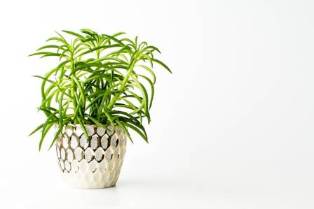
Incorporating vegetation is a sophisticated method for making a home feel both modern and ecologically conscious. However, selecting the right species and containers requires an understanding of both aesthetics and biology. This guide combines the perspectives of interior design and phyto-design to help you curate the perfect botanical environment for your home.
COVER · en

Oriental Pearl Tower
Standing at 468 meters tall, the Shanghai Oriental Pearl TV Tower is one of the most famous landmarks in Shanghai. It ranks as the fourth tallest tower in Asia and the sixth tallest tower of its kind in the world. Construction began on July 30, 1991, and the tower was officially completed on October 1, 1994.