Shelf read
Biological Information on the Asiatic Black Bear
Asiatic black bears, often known as moon bears, are one of the eight recognized species of bears in the world. They are medium-sized bears that generally stand around 4.5 to 5.4 feet tall and weigh approximately 198 to 254 pounds. Males are typically larger than females and can reach weights of up to 400 pounds.
Isla Mercer
Library note
Reading tip
The full chapter continues below on the soft reading shelf.
Stack
Pocket Library
Asiatic black bears, often known as moon bears, are one of the eight recognized species of bears in the world. They are medium-sized bears that generally stand around 4.5 to 5.4 feet tall and weigh approximately 198 to 254 pounds. Males are typically larger than females and can reach weights of up to 400 pounds.
Appearance
Moon bears are commonly black or dark brown-black in color. Their most recognizable feature is the pale white or yellowish crescent-shaped marking across the chest, which gives them the nickname “moon bear.” They also have a white marking on the chin.
Their heads are broad and rounded, while their ears are relatively large and prominent.
Distribution and Habitat
Moon bears occur throughout much of Asia, with different subspecies distributed across a broad region stretching from Pakistan to Japan.
They are capable and confident climbers and generally favor mountainous areas at higher elevations as well as densely wooded habitats. Moon bears are usually solitary and spend much of the daytime resting or sleeping in places such as hollow logs, caves and trees.
Depending on where they live, they may enter hibernation from approximately November through March. Some populations also move seasonally between elevations, occupying higher mountain areas during the warmer months before descending to lower elevations when temperatures become colder.
Diet and Communication
Although moon bears are classified scientifically as carnivores, their actual feeding habits are omnivorous. Their diet can include fruits, vegetables, nuts, small mammals and birds.
These bears are considered highly intelligent animals and are also quite vocal. They produce a variety of sounds for different situations, including during play, when warning other bears and when preparing to attack.
Reproduction and Lifespan
Relatively little is known about the reproductive cycles of moon bears. Their pregnancy may involve delayed implantation, a process that allows the embryo to begin developing later and helps ensure that cubs are born during the spring.
Female moon bears generally give birth to twins around April or May. The cubs are usually weaned at about four months old, although they may continue living with their mother for as long as two years.
Moon bears commonly reach reproductive maturity at approximately four or five years of age. In the wild, they generally live for around 25 to 30 years, while individuals in captivity can survive for as long as 35 years.
Remarkable Ability to Stand Upright
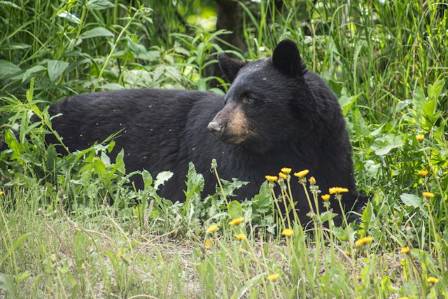
Moon bears are particularly notable for their ability to stand and move on their hind legs. Among bear species, they are considered the most naturally bipedal and can maintain an upright posture with relative ease.
Unfortunately, this physical ability has been exploited by people for entertainment. Across Asia, moon bears have been used in circus performances, including “dancing bear” acts in India and bear-fighting activities in Pakistan.
Threats to Moon Bears
Many bear species are threatened by the use of their gallbladders and bile in traditional Chinese medicine, but moon bears have been particularly heavily affected by this practice.
They also face serious pressure from the destruction of their natural habitat and illegal hunting for their skins and paws. International trafficking in bear body parts and bile adds another major threat to their survival.
Reliable estimates of the remaining moon bear population are currently unavailable. Estimates for China range from approximately 16,000 to 50,000 individuals, while some estimates for the entire Asian population are as low as 25,000 bears.
Around 8,000 moon bears are believed to be kept on bile farms in China, which has more bear farms than any other country. Considering the continuing loss of habitat and exploitation of these animals, the overall population may have fallen by approximately 30 to 49 percent during the past 30 years.
Without effective conservation measures, this decline is expected to continue.
Conservation Status
The moon bear is currently classified as “Vulnerable” on the International Union for Conservation of Nature and Natural Resources (IUCN) Red List of Threatened Species.
The species is also included in Appendix I of the Convention on International Trade in Endangered Species of Wild Fauna and Flora (CITES). This international protection prohibits trade in moon bears and their body parts.
Despite these protections, continued habitat destruction, illegal hunting, exploitation and the trade in bear products remain serious challenges for the long-term survival of moon bear populations.
COVER · en

Why Mountain Lakes are Canaries in the Coal Mine
The isolation of mountain lakes is precisely what makes them so valuable to scientists. Positioned high in watersheds, they receive inputs primarily from the atmosphere, making them perfect natural laboratories for studying the far-reaching effects of human activity. Their ecological simplicity means that disturbances are not diluted by complex interactions, allowing researchers to clearly trace cause and effect. The program is designed to track the impacts of several pressing threats.
COVER · en

Professional-Backed Color-Matching Tips
Finding the exact shade to touch up your walls or match the threads in your favorite throw can be tricky. Luckily, there are plenty of methods to track down that perfect color you’ve been looking for.
COVER · en
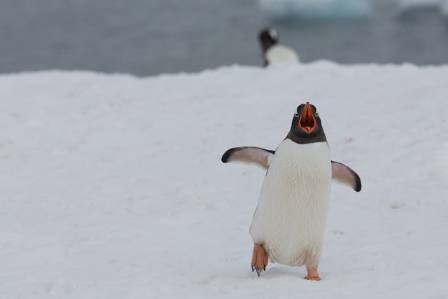
5 Penguin Species You Won’t Want to Miss When Traveling!
Who doesn’t love penguins? These adorable creatures overflow with cuteness—whether waddling, swimming, nesting, or napping, they’re a delight to watch. I’ve been lucky enough to encounter 5 penguin species up close, and each one is absolutely amazing!
COVER · en
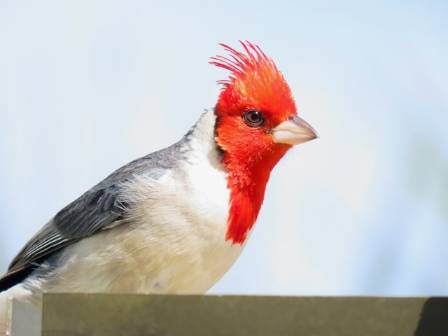
Red-Headed Vulture: The Guardian of Nature’s Cleanup Crew
The Peregrine Fund played an important role in identifying the serious threat that the veterinary drug diclofenac poses to vultures. The organization was also the first conservation group to establish “vulture restaurants” in South Asia. At these sites, biologists provide carcasses that have never been treated with diclofenac, giving vultures a safe source of food.
COVER · en
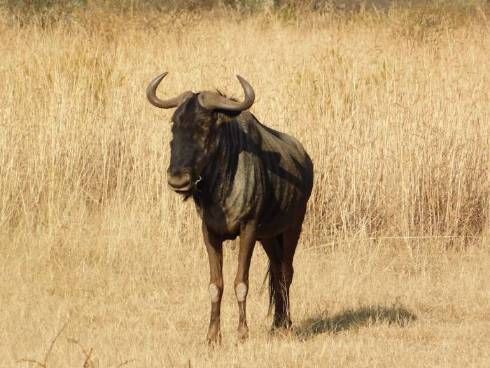
The Speed Demons of the Animal Kingdom: Top 10 Swiftest Creatures on Earth
Human beings, despite their considerable intelligence and evolving technological prowess, remain considerably slower than many of their animal counterparts. The world is home to thousands of species that can outpace even the fastest human. While the maximum running speed of a human caps at approximately 27.5 miles per hour, several animals can effortlessly double that pace.
COVER · en

The Origins and Evolution of Skateboarding
Have you ever wondered where skateboarding actually came from while cruising the streets on your board? While most people know skateboarding is an exciting and dynamic sport, its history is equally fascinating.