Shelf read
Chinese Steamed Buns
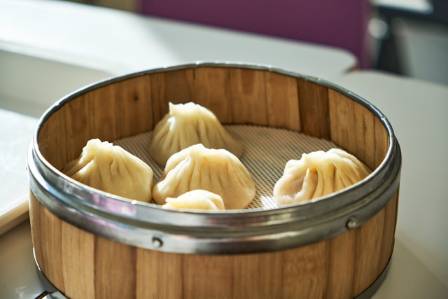
Chinese Steamed Buns, commonly referred to as Baozi, are a beloved staple in Chinese cuisine. These soft, pillowy buns are filled with savory ingredients such as pork, chicken, or vegetables, then gently steamed until perfectly tender. They are widely enjoyed as a snack, appetizer, or even a main dish.
Marcus Flynn
Library note
Reading tip
The full chapter continues below on the soft reading shelf.
Stack
Pocket Library
Chinese Steamed Buns, commonly referred to as Baozi, are a beloved staple in Chinese cuisine. These soft, pillowy buns are filled with savory ingredients such as pork, chicken, or vegetables, then gently steamed until perfectly tender. They are widely enjoyed as a snack, appetizer, or even a main dish.
Full Recipe:
Ingredients
2 cups all-purpose flour
2 teaspoons baking powder
2 teaspoons sugar
3/4 cup warm water
1 tablespoon vegetable oil
1 teaspoon active dry yeast
Filling of your choice (pork, chicken, vegetables, etc.)
Instructions
In a small bowl, combine the warm water with the yeast and allow it to sit for 5–10 minutes until foamy.
In a separate large bowl, mix together the flour, baking powder, and sugar.
Pour the yeast mixture and vegetable oil into the dry ingredients and mix until a dough forms.
Knead the dough for about 5 minutes until it becomes smooth and elastic.
Cover with a damp cloth and let it rise for about 1 hour, or until it doubles in size.
Press down the dough and divide it into smaller portions.
Roll each portion into a flat circle and add your preferred filling.
Fold and pinch the edges tightly to seal each bun.
Place the buns in a steamer and cook for 12–15 minutes until fluffy and fully cooked.
Serve warm and enjoy.
Nutritional Information
Serving Size: 1 bun
Calories: 220 kcal
Protein: 5g
Carbohydrates: 45g
Fat: 4g
Fiber: 2g
Sodium: 160mg
Historical Background
Baozi has a history spanning more than a thousand years, with origins tracing back to the Three Kingdoms era (220–280 CE). A well-known legend credits their invention to Zhuge Liang, a strategist of the Shu Han kingdom. According to the tale, he created buns shaped like human heads as symbolic offerings to calm river spirits during a military expedition. While the story may not be entirely factual, it adds cultural richness to the origins of this dish.
Over time, baozi diversified across regions in China. Famous variations include soup-filled tangbao from Kaifeng, delicate xiaolongbao from Shanghai, and classic meat-filled buns found nationwide. Despite regional differences, all share the defining feature of soft, steamed dough.
As Chinese communities expanded globally, baozi traveled with them, becoming popular in places like the United States and Europe. Today, they are commonly found in dim sum restaurants and street food stalls around the world.
Culinary Diversity
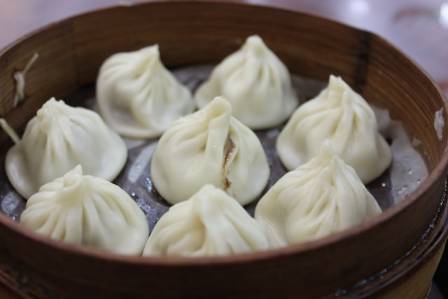
Steamed buns are celebrated for their wide range of fillings and styles. Traditional baozi are made with fluffy wheat dough filled with minced meat or vegetables, but regional specialties introduce distinctive flavors and textures.
Xiaolongbao, from the Jiangnan region, is especially famous for its thin wrapper and flavorful broth inside. Unlike regular baozi, it contains gelatinized soup that melts into liquid during steaming, creating a juicy bite.
Tangbao from Kaifeng is larger and filled with even more broth. Its preparation involves solidifying a rich meat stock before enclosing it in dough, which liquefies when steamed.
In Hong Kong, sweet buns such as ping on buns are filled with lotus seed paste and marked with symbols of peace. These are traditionally eaten during the Cheung Chau Bun Festival, where towers made entirely of buns symbolize cultural heritage.
Savory baozi also offer variety, from classic pork and beef fillings to modern vegetarian options using tofu, mushrooms, and leafy greens. This adaptability allows baozi to suit many tastes and dietary needs.
Preparation Process
Making steamed buns involves careful steps to achieve the perfect texture and flavor. The dough is typically made from flour, water, yeast, and a small amount of sugar. Yeast fermentation gives the dough its light and airy structure.
The ingredients are mixed and kneaded until smooth and elastic. Kneading is essential for developing the dough’s structure. Afterward, the dough is left to rise until it doubles in size.
Once risen, the dough is deflated and divided into portions. Each piece is rolled out, filled, and sealed by pinching the edges together. Proper sealing ensures the filling stays intact during steaming.
The buns are then placed in a lined steamer and cooked over gentle heat for about 10–15 minutes. The result is a soft, fluffy bun with a perfectly cooked filling.
For soup-filled varieties like xiaolongbao, extra care is needed to prevent the liquid filling from leaking during preparation and steaming.
Cultural Importance
Beyond being a delicious dish, baozi holds cultural significance in China. It is often associated with celebrations, family gatherings, and goodwill. During the Lunar New Year, eating baozi symbolizes prosperity and unity, with their round shape representing completeness and harmony.
In places like Cheung Chau in Hong Kong, the Bun Festival showcases towering displays made entirely of buns. Rooted in local legend, the festival originally involved offering buns to deities to ward off evil spirits. Today, it remains a vibrant cultural event that attracts visitors from around the world.
Overall, Chinese steamed buns are more than just food—they represent history, tradition, and culinary creativity. Their versatility, rich heritage, and comforting taste continue to make them a cherished dish across cultures.
COVER · en

7 Exciting Finds When Collecting Rocks on Ocean Beaches
Walking along an ocean beach can be a peaceful and exciting experience for rockhounding enthusiasts. With the gentle sound of waves in the background, every step along the shore could reveal a hidden treasure. Whether you're looking for stones that have been naturally polished by the ocean or fossils that have survived for centuries, beaches offer a variety of collectible items. Below are seven of the most common treasures you can find while rockhounding on the beach.
COVER · en
The Tale of the Snake Plant
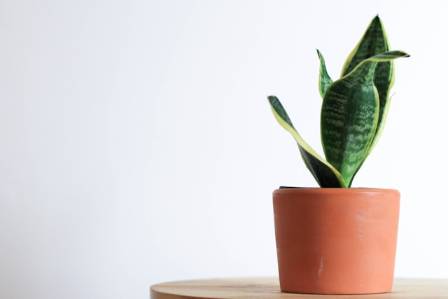
The Snake Plant, scientifically called Dracaena trifasciata and previously classified as Sansevieria trifasciata, is one of the most recognizable indoor plants around the world. It is loved for its durability, striking upright leaves, and simple care requirements. It is also commonly known as Mother-in-Law’s Tongue or Saint George’s Sword. Beyond its popularity as a decorative houseplant, the Snake Plant has a long and interesting story that connects its native environment with its role in modern gardening.
COVER · en
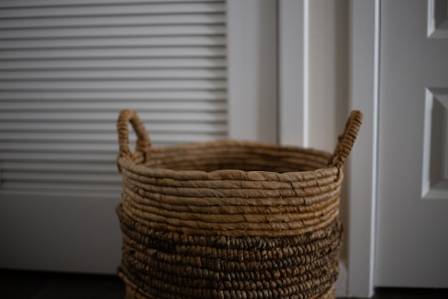
Woven Baskets: Ideal Storage Solution
If you’re seeking a storage option that combines style with practicality, woven baskets might be just what you need. Available in a wide variety of shapes, sizes, and colors, they’re perfect for organizing everything from toys and books to linens and towels. Crafted from natural materials like wicker, rattan, or bamboo, these baskets not only keep your space tidy but also add a touch of elegance and warmth to any room.
COVER · en

The fascinating lives of badgers
Badgers are compact, strong, and muscular mammals famous for their powerful digging abilities and underground homes known as “setts.” Some badger tunnel systems can stretch for more than 50 meters beneath the ground. They belong to the mustelid family, a group that also includes pine martens, otters, ferrets, polecats, and wolverines.
COVER · en

Business Casual for Men: The Definitive Style Guide
In today’s dynamic professional landscape, the rigid boundaries of traditional office attire have softened, making business casual the most versatile and widely adopted dress code for men. No longer confined to stuffy suits or overly relaxed weekend wear, business casual strikes a harmonious balance between professionalism and comfort, allowing men to look polished while maintaining ease throughout long workdays, client meetings, or after-hours networking events. This style has become a cornerstone of modern workplace culture, adapting to diverse industries—from creative startups to corporate firms—and evolving with seasonal trends and personal preferences. At President Tailors, we understand that mastering business casual isn’t just about following rules; it’s about curating a wardrobe that reflects your identity, fits flawlessly, and aligns with your professional environment. In this comprehensive guide, we’ll break down every aspect of business casual style, from core definitions and essential pieces to occasion-specific looks, seasonal adjustments, and common pitfalls to avoid, helping you elevate your wardrobe with confidence.
COVER · en

Essential Vessels: A Guide to Curating the Perfect Vase Collection
Many homeowners possess a cluttered cabinet of mismatched containers that never quite seem to highlight their floral arrangements. However, you don't need a vast warehouse of glassware to display your flowers professionally. By focusing on six fundamental silhouettes, you can ensure that every bouquet—from a single garden rose to a grand celebratory display—looks its absolute best. The golden rule is simple: let the scale of the stem dictate the vessel, and prioritize pieces that possess sculptural beauty even when they stand empty.