Shelf read
The fascinating lives of badgers
Badgers are compact, strong, and muscular mammals famous for their powerful digging abilities and underground homes known as “setts.” Some badger tunnel systems can stretch for more than 50 meters beneath the ground. They belong to the mustelid family, a group that also includes pine martens, otters, ferrets, polecats, and wolverines.
Nova Bellamy
Library note
Reading tip
The full chapter continues below on the soft reading shelf.
Stack
Pocket Library
Badgers are compact, strong, and muscular mammals famous for their powerful digging abilities and underground homes known as “setts.” Some badger tunnel systems can stretch for more than 50 meters beneath the ground. They belong to the mustelid family, a group that also includes pine martens, otters, ferrets, polecats, and wolverines.
The European badger is found across Britain, much of Europe, and parts of the Middle East. In the United Kingdom, badgers are among the most familiar and beloved wild mammals, representing an important symbol of the countryside and bringing enjoyment to wildlife enthusiasts.
Badger Social Life and Behavior
Clan Groups
In Britain, badgers usually live together in underground setts in social groups known as clans. A clan commonly consists of four to eight individuals, including both males and females.
Although they share the same underground home, badgers are not as cooperative as many other group-living animals. Unlike species that hunt together and share their food, individual badgers usually search for food alone and do not depend on the group when foraging.
Powerful Sense of Smell
A badger’s sense of smell is one of its most important survival tools. Their scent plays a major role in communication, helping them share information about identity, territory, warnings, and reproductive condition.
Badgers have several scent glands that produce different odors. Members of the same clan often develop similar scents, which helps strengthen social connections.
They also use scent marking to define their territories. Badgers commonly leave their droppings in shallow holes called latrines, which are often positioned along territorial boundaries.
They communicate through behaviors such as squat marking, where they lower their rear and raise their tail, and allo-marking, where individuals mark each other with scent.
Badger Diet
Badgers are considered opportunistic omnivores because they eat a wide variety of foods depending on what is available. Earthworms are the main part of their diet and can account for around 60 percent of what they consume.
An adult badger may eat more than 200 earthworms during a single night. However, when environmental conditions become difficult, such as during droughts, severe frost, or in areas with poor food supplies, worms may become harder to find.
To adapt, badgers switch to alternative foods, including snails, slugs, fruits, berries, raspberries, and fallen blackberries. In rare situations when normal food sources are limited, they may also prey on hedgehogs.
Badger Reproduction
Badgers can mate throughout much of the year, but an unusual process called delayed implantation means that they produce only one litter annually.
A female badger, known as a sow, usually gives birth to between one and five cubs, with two or three being the most common litter size.
Before giving birth, females collect bedding materials such as grass, hay, straw, and ferns and carry them into the breeding chamber to create a warm and comfortable nest.
Most cubs are born between early and mid-February. They usually begin exploring outside the sett at around 12 weeks old. By approximately 16 weeks, young badgers begin showing adult behaviors, including grooming and scent marking.
Badgers also display complex behaviors related to territory management and maintaining their underground homes.
The History and Age of Badgers in Britain
Evidence suggests that badgers have existed in Britain for between 500,000 and 750,000 years. This means they once shared the landscape with animals that have since disappeared from the country, including wolves, brown bears, Arctic foxes, and wolverines.
Throughout their long history, badgers have adapted successfully to changing environments and remain an important part of British wildlife today.
Badger Setts: Underground Homes
Badgers live in underground tunnel networks called setts. These range from small temporary shelters, sometimes with only one entrance, to enormous and complex underground systems.
Large setts may extend from 20 to 100 meters or more and can contain dozens of entrances. Some of the largest examples have over 50 entrance holes.
Creating such extensive underground homes requires many years of digging and maintenance. Some ancient setts have been used continuously for more than a century, being passed down through generations of the same badger family.
These underground systems provide shelter, breeding areas, and safe resting places for entire clans.
Badger Biology and Physical Features
A fully grown badger can reach around one meter in length. Their loose skin provides protection during fights because predators and rivals have difficulty getting a firm grip.
Before winter, badgers build up a thick layer of fat beneath their skin. These fat reserves help them survive periods of reduced activity during colder months.
Adult badger weight varies depending on age, location, season, and food availability. They are usually heaviest in late autumn when they prepare for winter by storing extra fat.
During winter, badgers spend more time underground and eat less, causing their body weight to decrease. Female badgers are typically at their lightest after giving birth.
Badger Appearance and Coloration
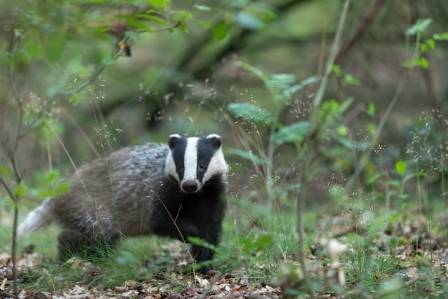
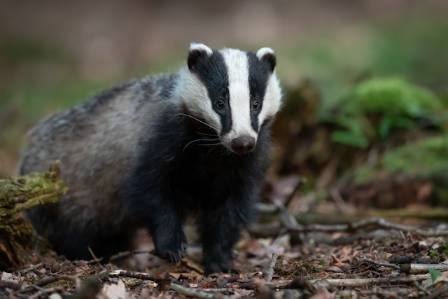
The European badger (Meles meles), also known as the Eurasian badger, is easily recognized by its distinctive black-and-white striped face. Its short dark and pale facial fur creates the iconic markings, while its ears are black with white tips.
Most badgers have a grayish body with a lighter-colored underside, although some individuals may appear brownish along their back and sides. Their legs and chest are covered with dark hair.
Some differences in fur color are caused by environmental staining. Yellowish discoloration may appear on the underside of older animals due to secretions from scent glands.
Badgers have relatively small black eyes, and there are no obvious color differences between males and females.
Young cubs are born with very pale silver-colored fur. After several days, their facial stripes begin to appear, eventually developing into the familiar adult pattern.
Rare Badger Color Variations
Although most badgers have the traditional black, white, and gray appearance, unusual pigmentation conditions can create individuals with very different colors.
Albino Badger
Albino badgers have very pale cream or white fur caused by a lack of pigmentation. They are usually not completely pure white, and their eyes are often pink or red due to the absence of normal pigment.
Leucistic Badger
Leucistic badgers have a partial reduction of pigmentation, resulting in patches of unusually light-colored fur.
Unlike albino animals, leucistic badgers retain normal eye pigmentation, meaning their eyes remain black. This difference helps distinguish them from true albino badgers.
Erythristic Badger
Erythristic badgers have unusually warm-colored fur, with sandy, orange, or reddish tones appearing on their backs and sides. Their underside may also have reddish coloring.
Their eyes are usually light brown, although some individuals may show a reddish appearance.
Melanistic Badger
Melanistic badgers are extremely rare and are rarely observed in the wild. These animals have excessive pigmentation, causing their fur to appear almost entirely black.
Their eyes are also black, making them distinct from other unusual color forms.
Badgers remain one of the most fascinating mammals in Europe, combining impressive underground engineering skills, unique social behaviors, and remarkable adaptability that have allowed them to survive for hundreds of thousands of years.
COVER · en

5 Best Classic Pickup Trucks of All Time
It would be difficult to imagine anything more deeply tied to American culture than the traditional pickup truck. For generations, these vehicles have been essential to the country’s growth and daily life. They continue to work alongside people on farms, construction sites, and as dependable personal transportation.
COVER · en
Planting Succulents in 7 Simple Steps for Beginners
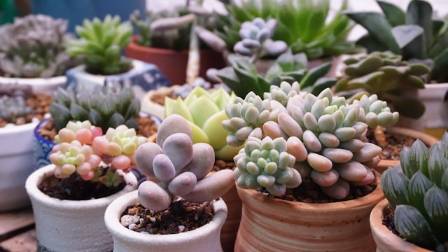
Starting a succulent garden can feel a bit overwhelming at first, but it is actually quite straightforward once you break it into simple steps. You begin by collecting the right supplies, then move on to understanding your local climate and light conditions, and finally prepare soil, arrange plants, and maintain them properly. Once these foundations are in place, succulents are generally low-effort and highly rewarding plants to grow.
COVER · en
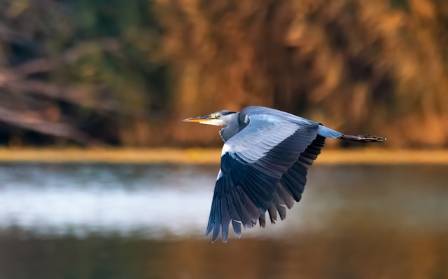
Essential Facts and Unique Behaviors of Global Seabirds
The classification of avian species near the ocean—often categorized as seabirds, shorebirds, or waterbirds—can be quite fluid. For the purpose of understanding these remarkable creatures, we use the term "seabird" as a broad category to explore the fascinating biological adaptations and lifestyles that allow them to thrive in maritime environments.
COVER · en

Beautiful Gemstone Brooches
A brooch is a type of jewelry designed to be attached to clothing with a clasp, fastening mechanism, or pin. For this reason, brooches are often simply called “pins.” They may serve a decorative role or have a practical function when used to secure fabric.
COVER · en
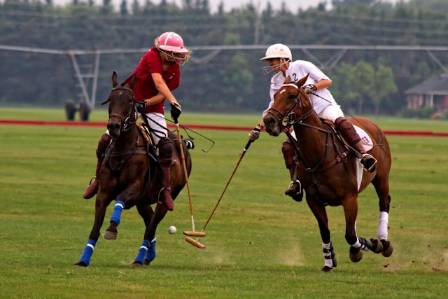
The Most Prestigious Polo Tournaments in the World & Their History
Polo’s regal legacy shines brightest in its most prestigious tournaments. These events are far more than mere games—they are grand celebrations of skill, tradition, and horsepower, attracting the world’s top players and passionate spectators alike. From sun-drenched Argentine fields to royal English grounds, each tournament tells a story of the sport’s evolution and enduring appeal. Let’s delve into the history and prestige of the top polo competitions that define this noble sport.
COVER · en
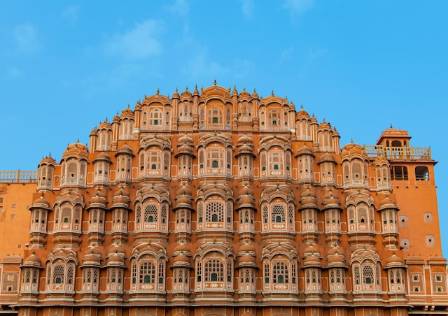
Hawa Mahal (Palace of Winds) in Jaipur, India
One of Jaipur’s most recognizable sights in India is the magnificent Hawa Mahal, often called the Palace of Winds. Built in 1799 under Maharaja Sawai Pratap Singh, the structure is a remarkable combination of Rajput and Mughal architectural traditions. Its five-level exterior, made from red and pink sandstone, features a distinctive honeycomb design decorated with intricate carved details and delicate floral ornamentation.