Shelf read
The Tale of the Snake Plant
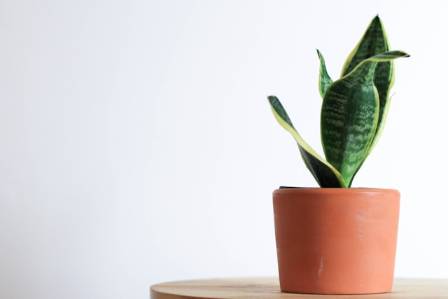
The Snake Plant, scientifically called Dracaena trifasciata and previously classified as Sansevieria trifasciata, is one of the most recognizable indoor plants around the world. It is loved for its durability, striking upright leaves, and simple care requirements. It is also commonly known as Mother-in-Law’s Tongue or Saint George’s Sword. Beyond its popularity as a decorative houseplant, the Snake Plant has a long and interesting story that connects its native environment with its role in modern gardening.
Elara Vaughn
Library note
Reading tip
The full chapter continues below on the soft reading shelf.
Stack
Pocket Library
The Snake Plant, scientifically called Dracaena trifasciata and previously classified as Sansevieria trifasciata, is one of the most recognizable indoor plants around the world. It is loved for its durability, striking upright leaves, and simple care requirements. It is also commonly known as Mother-in-Law’s Tongue or Saint George’s Sword. Beyond its popularity as a decorative houseplant, the Snake Plant has a long and interesting story that connects its native environment with its role in modern gardening.
The plant has experienced several changes in scientific classification over time. In 1753, Swedish botanist Carl Linnaeus first placed it within the Aloe group. Later, in 1794, Linnaeus’ student Carl Peter Thunberg established the genus Sansevieria, naming it in recognition of Italian inventor and scientist Raimondo di Sangro. Many years later, in 2017, DNA research conducted through the Kew Botanic Gardens DNA Bank revealed that the plant was more accurately placed in the Dracaena genus.
Native Habitat and Cultural Importance
Dracaena trifasciata originally comes from Africa, especially tropical and subtropical areas including regions of Nigeria, the Congo, and Madagascar. In the wild, it grows in dry, rocky landscapes where water is limited and sunlight conditions can vary greatly. Its ability to survive drought and tolerate low-light environments is one of the main reasons it has become such a successful indoor plant worldwide.
In several African regions, Snake Plants have practical uses beyond decoration. Their strong fibers have traditionally been used to create ropes, threads, and different types of woven materials. Across various cultures, the plant has also been associated with protection, strength, and good fortune. In Nigeria, the plant’s tall, blade-like leaves were believed to have protective qualities and were sometimes used in ceremonies intended to guard against negative influences. In Brazil, Snake Plants are often placed near entrances as a way of protecting homes. In Korea, giving a potted Snake Plant as a gift during a business opening is considered a meaningful gesture.
Some traditional practices have also used Snake Plant leaves for medicinal purposes in parts of Africa and Asia, including remedies for issues such as swelling and ear discomfort. Although it is not widely used in modern medicine today, its connection to traditional healing, craftsmanship, and cultural symbolism remains an important part of its history.
The Spread of Snake Plants Around the World
The global journey of the Snake Plant began during the 18th and 19th centuries when plant exchanges increased between continents. As European explorers and botanists introduced plants from different regions, the Snake Plant eventually reached Europe, where it quickly attracted attention from gardeners and plant collectors.
Its ability to survive indoors, along with its attractive patterned foliage, made it a popular choice for homes, conservatories, and botanical collections. By the middle of the 19th century, Snake Plants had become established in Europe and later gained popularity in the United States.
During the 20th century, the plant became a common feature in American homes and workplaces. Its decorative appearance and low-maintenance nature made it especially appealing for offices and indoor spaces. The Snake Plant even appears in the background of Grant Wood’s famous 1930 painting American Gothic, showing that it had already become a familiar household plant at that time.
Snake Plants and the NASA Clean Air Study
The Snake Plant received even more attention after being included in NASA’s Clean Air Study in 1989. This research examined whether certain indoor plants could remove harmful substances from enclosed environments. The Snake Plant was highlighted because of its ability to absorb certain chemicals under controlled conditions.
However, the study was not designed to measure the effects of plants in ordinary homes. Additional research showed that Snake Plants have a unique ability to continue absorbing carbon dioxide and releasing oxygen during the night through a process called CAM photosynthesis, unlike many plants that mainly perform this function during daylight hours.
This characteristic helped make Snake Plants especially popular for bedrooms. However, claims that a few plants can significantly purify the air in a typical home are often exaggerated. In reality, extremely large numbers of plants would be needed to create measurable improvements in indoor air quality. Although the practical effects are limited, these studies helped increase public interest in Snake Plants as attractive and unusual houseplants.
Why Snake Plants Remain Popular Today
Today, Snake Plants continue to be among the most beloved indoor plants worldwide. Their popularity comes largely from their remarkable toughness. They require very little water, do not need frequent repotting, and can tolerate lower levels of natural light compared with many other houseplants.
Because of these qualities, Snake Plants are suitable for many indoor settings, including apartments, offices, homes, cafes, and restaurants. Their tall, architectural shape makes them a favorite choice in modern interior design, especially in minimalist and contemporary spaces.
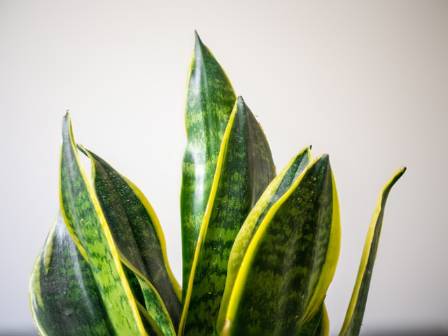
Over time, growers have developed many new Snake Plant varieties with different leaf patterns, colors, and forms. Some feature classic green leaves with yellow borders, while others display unusual stripes, silver tones, or unique shapes that add variety to indoor plant collections.
The Enduring Appeal of the Snake Plant
From its beginnings in African landscapes to its current status as a worldwide houseplant favorite, the Snake Plant represents survival, adaptability, and beauty. Its ability to thrive in challenging conditions has made it a symbol of resilience and protection in many cultures.
Whether placed in a home, office, or public space, the Snake Plant remains a reliable and attractive companion. For anyone looking for a plant that combines history, symbolism, and easy care, the Snake Plant is a timeless choice. If you have not added one to your collection yet, it may be the perfect time to bring this hardy green companion into your space.
COVER · en

Dressed Up Avocados
In this easy yet stunning dish, avocados are the star. Lightly seasoned with fresh lemon juice and extra virgin olive oil, they’re enhanced with kosher salt, cracked black pepper, chopped herbs, and a touch of diced tomato.
COVER · en

12 Warm Color Schemes Recommended by Interior Designers
These 12 Designer-Selected Warm Color Schemes Offer Unmatched Coziness When you want your living space to feel like the visual counterpart of curling up in bed on a cool autumn day with no plans that force you to leave the comfort of your covers, a warm color palette is exactly what you need. Shades of red, brown, cream, and more can help craft a welcoming atmosphere in any room, regardless of your personal style.
COVER · en

Embrace the Outdoors: 5 Refreshing Activities to Step Outside
Unlock the wonders of nature without the hassle of brainstorming ideas with this handy list of outdoor activities. From rejuvenating work breaks to invigorating fitness plans, discover amazing ways to make the most of the outdoors. Let this guide inspire your next outdoor adventure!
COVER · en

Top 10 Game-Changing AI Technologies Transforming Our World
In a world where artificial intelligence (AI) continues to advance at breakneck speed, several groundbreaking technologies are emerging as leaders in innovation and functionality. Here’s a look at 10 of the most influential AI technologies making waves across various industries:
COVER · en

Examples of Terrace Farming Around the World
The most productive agricultural land is usually a level area with reliable access to water. Many crops, especially rice, depend on flat landscapes where fields can be easily flooded and irrigated. However, for communities living in mountainous or uneven regions, finding suitable farmland has always been a challenge. Thousands of years ago, people developed an ingenious method that transformed steep hillsides into fertile agricultural areas, helping support the rise of major civilizations.
COVER · en

Perfect Sushi Rice
This is my go-to method for making ideal sushi rice at home. It can be enjoyed on its own or used as a base for sushi rolls filled with your favorite ingredients. I usually add thin strips of carrot, cucumber, and avocado slices. You can also adjust the levels of vinegar, sugar, and salt depending on your personal preference.