Shelf read
Essential Vessels: A Guide to Curating the Perfect Vase Collection
Many homeowners possess a cluttered cabinet of mismatched containers that never quite seem to highlight their floral arrangements. However, you don't need a vast warehouse of glassware to display your flowers professionally. By focusing on six fundamental silhouettes, you can ensure that every bouquet—from a single garden rose to a grand celebratory display—looks its absolute best. The golden rule is simple: let the scale of the stem dictate the vessel, and prioritize pieces that possess sculptural beauty even when they stand empty.
Aria Sophia Lockwood
Library note
Reading tip
The full chapter continues below on the soft reading shelf.
Stack
Pocket Library
Many homeowners possess a cluttered cabinet of mismatched containers that never quite seem to highlight their floral arrangements. However, you don't need a vast warehouse of glassware to display your flowers professionally. By focusing on six fundamental silhouettes, you can ensure that every bouquet—from a single garden rose to a grand celebratory display—looks its absolute best. The golden rule is simple: let the scale of the stem dictate the vessel, and prioritize pieces that possess sculptural beauty even when they stand empty.
1. Casual Pitchers and Stoneware Jugs
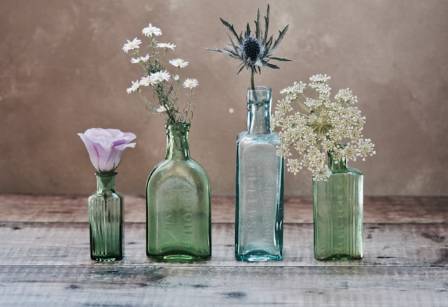
Traditional jugs are the perfect choice for creating an effortless, rustic atmosphere. These vessels excel at holding informal "meadow-style" gatherings or hearty greenery clipped directly from the backyard. Whether it is a vintage find from a local market or a sleek ceramic piece, a pitcher adds a sense of approachable charm to a kitchen island or breakfast nook. Their sturdy bases and wide handles make them practical for top-heavy branches, allowing you to create arrangements that feel relaxed rather than overly manicured.
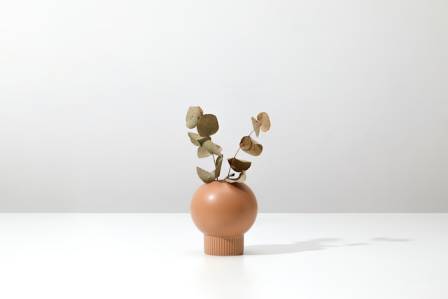
2. Minimalist Bud Vases
Small-scale vases are the secret to effective tablescaping. While their primary purpose is to highlight the delicate beauty of a lone blossom, they are most impactful when used in clusters. Tucking a few fragrant stems like jasmine or lily of the valley into a tiny vessel can brighten a bedside table or a workspace without occupying much room. These pieces allow you to appreciate the intricate details of a single flower that might otherwise be lost in a larger bouquet.
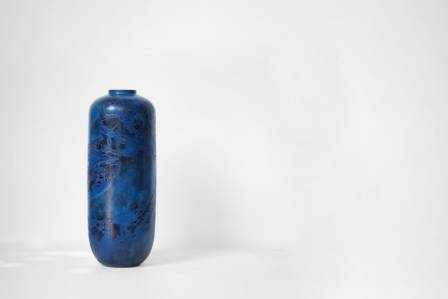
3. Structural Cylinder Vases
When dealing with long-limbed flowers such as lilies, sunflowers, or gladioli, a tall cylinder is your best ally. The straight walls provide the necessary vertical support to keep heavy stems from flopping over the sides. To create a more dynamic look, vary the heights of your trimmings, keeping some at maximum length to add architectural drama and "wow factor" to a hallway or an entryway console.
4. Classic Bell Vases
The bell vase, characterized by its wide, flared mouth and rounded body, is designed to support the natural "explosion" of a hand-tied arrangement. This shape is particularly forgiving for those who aren't confident in their arranging skills; the wide opening allows the blooms to fall outward into a perfect dome. It is the ideal home for lush, voluminous flowers like hydrangeas or garden peonies that need space to breathe and expand.
5. Statement Urns and Boat Vessels
For those who want to experiment with scale and horizontal reach, a boat-shaped planter or a low-profile urn is essential. These wider containers are the preferred choice for centerpieces and mantel displays where you want the foliage to spill out across the surface. To maintain the integrity of the design, use a "frog" or a small grid of wire at the base to anchor the stems, allowing for a sprawling, abundant look that remains perfectly in place.
6. Multi-Spout Tulipieres
If you are looking for a conversation piece, the tulipiere is a fascinating choice. These ornate ceramic towers feature individual spouts that isolate each stem, turning a few flowers into a complex piece of living art. While they were historically crafted for tulips—notorious for their bending stems—they work beautifully for any flower with a sculptural neck, such as poppies or anemones, giving each bloom its own stage to shine.
COVER · en

The Secret Angle: Why That "Deadrise" Number Matters More Than Cupholders
Walk the floor of any boat show, and you’ll hear a familiar script. A buyer, trying to sound savvy, asks, “How much deadrise does she have?” The salesperson fires back, “Twenty degrees,” referring to the transom, and then—thankful to pivot to safer ground—immediately pivots: “Now, let’s talk about these stainless-steel cupholders.”
COVER · en
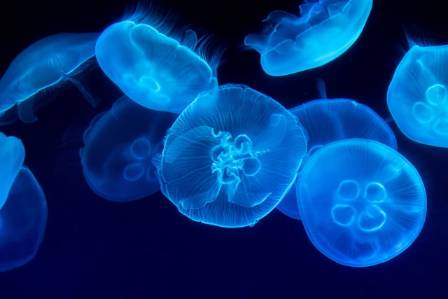
Jellyfish Can Learn from Mistakes—Even Without a Brain: A Breakthrough in Cognitive Biology
The idea that an animal can learn from experience without a brain sounds like science fiction, yet new research on the Caribbean box jellyfish (Tripedalia cystophora) proves it’s a biological reality. For decades, scientists assumed learning—even basic forms of associative learning—required a centralized nervous system, typically a brain or complex ganglia. Jellyfish, however, defy this fundamental assumption: they lack any concentrated nerve center, relying instead on a diffuse network of neurons spread across their bodies. This discovery not only reshapes our understanding of what it means to “learn” but also raises profound questions about the origins of cognition, suggesting that complex behaviors may have evolved earlier in the animal kingdom than previously thought.
COVER · en

The Most Prestigious Polo Tournaments in the World & Their History
Polo’s regal legacy shines brightest in its most prestigious tournaments. These events are far more than mere games—they are grand celebrations of skill, tradition, and horsepower, attracting the world’s top players and passionate spectators alike. From sun-drenched Argentine fields to royal English grounds, each tournament tells a story of the sport’s evolution and enduring appeal. Let’s delve into the history and prestige of the top polo competitions that define this noble sport.
COVER · en

3 ways make Birthday a Shared Experience
Early childhood and adolescent birthdays often center around specific legal and societal milestones, such as enjoying a first slice of cake, entering the teenage years, gaining driving privileges at sixteen, or reaching legal adulthood. Eventually, the focus shifts away from numerical age toward the accumulation of meaningful life chapters. Annual markers transform into a collective memory of adventures, challenges, and shared laughter. These celebrations provide an annual opportunity to honor an individual's distinct identity and appreciate the journey of life itself, rather than simply counting the passage of time.
COVER · en

Botanical Realism in Paper
On Instagram, I discovered the exquisite floral paper creations of Marlene from Denmark, and I was instantly captivated. What strikes me most about her work is how she embraces every phase of a plant’s life, from budding flowers to wilted petals and autumnal browning leaves. Marlene’s goal is always to craft botanically accurate representations.
COVER · en

The Japanese Sika Deer: Ecology, Culture, and Conservation
The Japanese sika deer (Cervus nippon nippon) stands as one of the most adaptable and biologically significant subspecies of sika deer, native to the forested landscapes of Japan. Renowned for its striking appearance and complex behavioral patterns, this small deer has not only shaped the ecosystems of its native habitat but also left a lasting mark on human culture and global conservation efforts. While its population thrives in Japan, its introduction to other continents has sparked both ecological challenges and innovative conservation solutions, making it a species of great interest to biologists, ecologists, and cultural historians alike.