Shelf read
Safety at Sea: All About Lighthouses
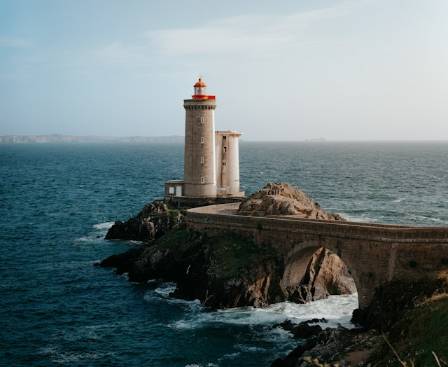
Lighthouses are specially designed structures that project beams of light to help ships navigate safely when approaching or departing coastal areas and harbors. They are often familiar sights during ocean cruises and boat journeys.
Isadora Blake
Library note
Reading tip
The full chapter continues below on the soft reading shelf.
Stack
Pocket Library
Lighthouses are specially designed structures that project beams of light to help ships navigate safely when approaching or departing coastal areas and harbors. They are often familiar sights during ocean cruises and boat journeys.
Some lighthouses reach impressive heights, such as Perry’s Victory and International Peace Memorial in Put-in-Bay, Ohio, which stands 352 feet tall and is the tallest structure in the United States that serves as a lighthouse, although it was not originally created for that role. Throughout history, lighthouses have been built using materials such as concrete, steel, granite, limestone, iron, and brick.
The Role and Importance of Lighthouses
Before modern navigation systems like GPS existed, sailors depended heavily on lighthouses to travel safely. During stormy nights, thick fog, or poor visibility, hidden dangers such as rocks, reefs, ice, and coastlines could pose serious threats to vessels. Lighthouse keepers traditionally watched from elevated positions and helped warn ships of nearby hazards.
Lighthouses also served as navigation markers that helped sailors identify their location. When several lighthouses existed along the same coastline, they were often designed with different colors or unique flashing patterns. These visual signals allowed mariners to distinguish one lighthouse from another while at sea.
The History and Development of Lighthouses
In ancient times, sailors often relied on natural sources of light, such as volcanic fires, to help guide them toward land. As construction methods and engineering skills improved, humans began creating dedicated lighthouse structures to provide safer navigation.
One of the earliest and most famous examples was the Pharos of Alexandria in Egypt, considered one of the Seven Wonders of the Ancient World. Completed around 270 B.C., this remarkable lighthouse no longer exists today. The oldest operating lighthouse still standing is the Tower of Hercules in La Coruña, Spain. Built by the Romans during the second century, this historic tower rises 187 feet above the ground.
Other remarkable lighthouses include the Lanterna, also called the Lighthouse of Genoa, in Genoa, Italy. Standing 384 feet tall, it is among the tallest lighthouses in the world and was constructed between 1128 and 1161 on San Benigno Hill.
The Eddystone Lighthouse in the United Kingdom is famous for a different reason. Since the original structure was built by Henry Winstanley in 1698, it has been destroyed three times and rebuilt each time with stronger designs. The first lighthouse at this location became an important example for modern lighthouse construction and was the first major lighthouse built offshore on a dangerous ocean rock.
How Lighthouses Produce Their Light
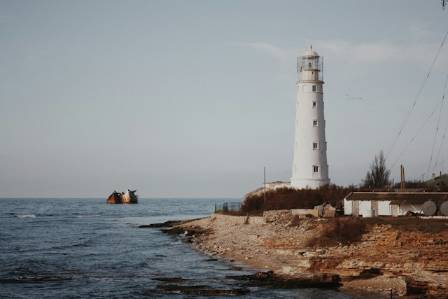
The powerful beam of a lighthouse originates from its lamp system. Today, most lighthouse lights operate using electricity, but earlier versions relied on various fuel sources, including wood fires, candles, whale oil lamps, and kerosene.
From the early 1900s until the 1960s, many lighthouses used Dalén lights. These acetylene-powered systems included solar sensors that automatically activated the light after sunset. Special lenses concentrated the lamp’s glow, allowing it to travel much farther across the water, while rotating mechanisms created distinctive flashes that helped sailors identify the lighthouse.
Modern lighthouse systems often use aerobeacons, which are more affordable and efficient compared with traditional lamps and lens systems.
Famous Lighthouses Around the World
Historic landmarks such as the Tower of Hercules and the Lanterna continue to attract visitors from around the world. The image of a tall coastal tower shining a protective beam through the darkness has long represented safety, adventure, and romance.
The Statue of Liberty is perhaps one of the most unusual examples of a famous lighthouse-like structure. Originally designed as both an artistic monument and a navigational aid for New York Harbor, it operated as a lighthouse from November 1886 until March 1902.
Another well-known landmark is Les Eclaireurs Lighthouse, located near the southern tip of Argentina. Often called “The Lighthouse at the End of the World,” this 36-foot tower was completed in 1920 and stands surrounded by the dramatic mountains and landscapes of Patagonia.
Other notable lighthouses include the Cape Hatteras Light Station in North Carolina, Kullen Lighthouse in Sweden, Pigeon Point Light Station in Pescadero, California, and Peggy’s Point Lighthouse in Peggy’s Cove, Nova Scotia, Canada. These historic structures continue to inspire travelers with their unique designs, coastal locations, and important role in maritime history.
COVER · en

Navigating the Rich and Complex Landscape of Modern Coffee Culture
Step into any contemporary coffee house, and the sheer volume of choices displayed on the menu board can immediately induce a sense of decision paralysis. The modern beverage landscape has expanded dramatically, leaving many individuals puzzled by the nuanced differences between various selections. The truth is that the vast majority of these specialized drinks are simply clever variations of a foundational blueprint, altered only by subtle shifts in ingredient ratios and preparation techniques. Furthermore, the ultimate flavor profile that lands in your cup is heavily dictated by the geographic origin of the crop and the precision of the roasting process, meaning that even identical recipes can yield entirely different sensory experiences.
COVER · en
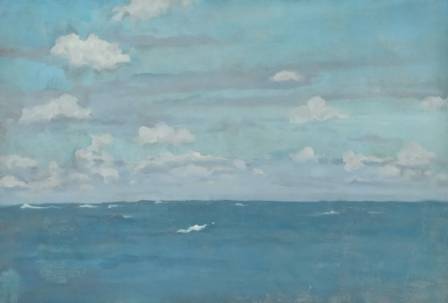
Guide to Mastering Seascape Art: A Sequential Acrylic Tutorial
Depicting the vastness of the sea is a foundational skill for any landscape artist. While the movement of water may appear intricate, capturing it on canvas is a manageable process when approached through a structured, layered method. This tutorial provides accessible techniques designed to help painters of all levels create a dynamic and convincing ocean scene using acrylics.
COVER · en
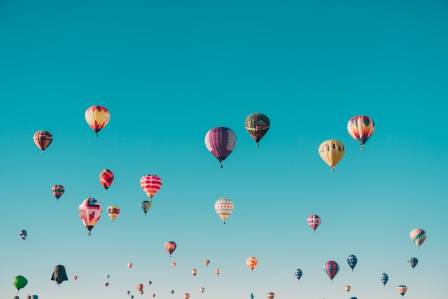
Hot Air Ballooning in New Jersey: Reach New Heights
This year, New Jersey is hosting three exciting events where you can watch vibrant hot air balloons drift across the state’s bright blue skies. Insider tip: Strong winds can quickly put a damper on a hot air balloon festival. Before setting out, check the forecast as well as the event’s official website or social media pages to confirm that the festivities are still happening.
COVER · en

The ubiquitous White Wagtail
As temperatures drop sharply across northern Spain, increasing numbers of wintering birds arrive in the Serranía de Ronda. This seasonal movement happens every year, with many species seeking shelter in the milder landscapes around the southernmost edge of the Baetic mountain system.
COVER · en
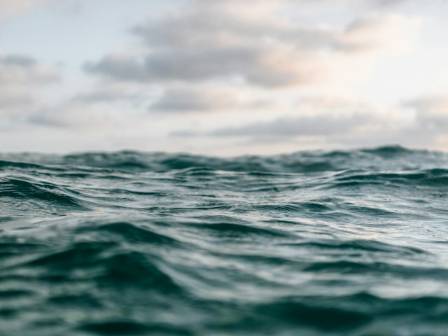
What Is Sea Surface?
The ocean surface forms the transition zone between the marine environment and the atmosphere. It extends from the air–water boundary downward several meters into the upper ocean and upward into the lowest region of the atmospheric boundary layer. This dynamic interface is where energy, momentum, moisture, gases, and heat are constantly transferred between two interacting fluid systems that influence Earth’s climate.
COVER · en
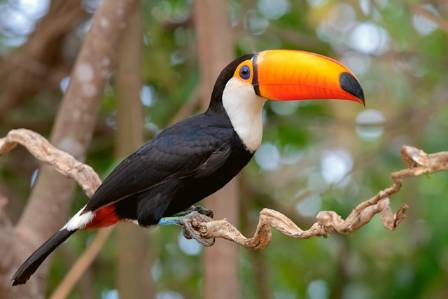
Get to know toucans!
For the first time in more than 30 years, the San Diego Zoo successfully hatched toco toucan chicks—two healthy babies at once. The young toucans left their nest in July 2017 after spending almost two months growing and developing inside. Today, the pair can be seen living in the Parker Aviary habitat at the Zoo.