Shelf read
Guide to Mastering Seascape Art: A Sequential Acrylic Tutorial
Depicting the vastness of the sea is a foundational skill for any landscape artist. While the movement of water may appear intricate, capturing it on canvas is a manageable process when approached through a structured, layered method. This tutorial provides accessible techniques designed to help painters of all levels create a dynamic and convincing ocean scene using acrylics.
Eric Jonathan Reynolds
Library note
Reading tip
The full chapter continues below on the soft reading shelf.
Stack
Pocket Library
Depicting the vastness of the sea is a foundational skill for any landscape artist. While the movement of water may appear intricate, capturing it on canvas is a manageable process when approached through a structured, layered method. This tutorial provides accessible techniques designed to help painters of all levels create a dynamic and convincing ocean scene using acrylics.
Foundational Preparation and Sky Composition
The initial phase of any seascape involves establishing the atmosphere and background. Begin by preparing three distinct tonal mixtures: a warm cream, a soft light aqua, and a deeper, more saturated aqua. When mixing, start with small portions of pigment to ensure you achieve the desired balance before committing to larger quantities.
Apply these hues to the upper portion of your canvas to form the sky, working from the lightest shade at the bottom to the darkest at the top. To achieve a seamless transition, use a dry blending brush and employ a rapid, circular wrist motion. A light touch is essential here; barely grazing the surface of the canvas allows the acrylics to merge into a soft gradient without becoming muddy.
Establishing the Horizon and Water Texture
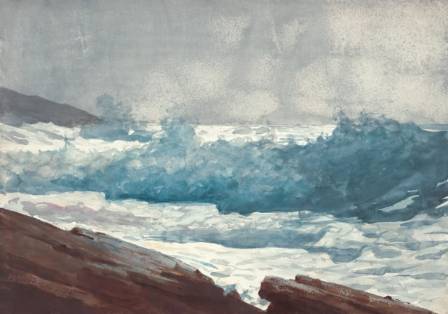
Once the sky is set, focus shifts to the water’s surface. Define your horizon line using your deepest blue mixture. Immediately below this, apply a secondary, slightly lighter band of color, followed by a layer of muted green. This creates the natural progression of light often seen in deep water. To introduce realistic motion, mix a turquoise-tinted gray by combining your mid-tone blue with small amounts of black and white.
Use this gray to suggest the rhythmic pattern of ripples. Rather than painting perfectly horizontal lines, apply them at a slight angle to mimic the natural ebb and flow of the tide. In the foreground, use the same gray to block in the shadowy undersides of what will eventually become cresting waves. This establishes the structural "bones" of your sea before adding the brighter surface details.
Developing Depth through Layering
The complexity of a seascape is built through successive layers. Surround your foreground wave shadows with a pale blue, allowing the color to bleed slightly into the shaded areas. For additional depth, introduce a vibrant light green—mixed from yellow, blue, and white—around the wave structures. This represents the translucent quality of water as it thins and catches the light before breaking.
Continue to add small ripples in the distance using your gray mixture. This step transforms the flat foundational colors into a recognizable landscape. By breaking the image down into these simple tonal shapes, the seemingly difficult task of painting water becomes a series of logical, achievable steps.
Adding Seafoam and Final Details
The final character of the ocean is defined by the white foam and highlights that dance on the surface. Using a clean white paint, stipple the tops of the breaking waves and follow the edges of your previously painted ripples. To replicate the organic appearance of seafoam, create small, irregular shapes—resembling clusters of diamonds or circles—on the water's surface. Ensure these shapes decrease in size as they recede toward the horizon to maintain proper perspective.
To complete the piece, refine the shadows at the base of your waves with a deeper gray to enhance the three-dimensional effect. Finally, use a detail brush to add delicate white streaks along the wave faces and surface ripples. Whether you prefer a soft, impressionistic finish or a sharp, realistic look, these final highlights are what truly bring the ocean to life.

COVER · en
Exploring the Advantages of Playing Table Tennis
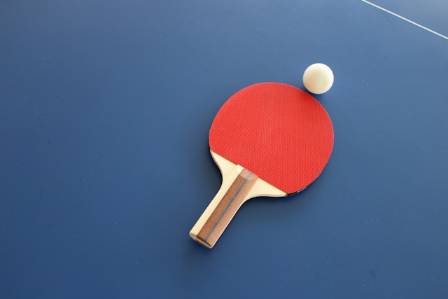
Table tennis, often referred to as ping pong, enjoys widespread popularity across the globe. While the exact number of active players is unknown, it's clear that the sport is embraced by millions—whether for casual play or in a competitive setting. Especially prominent in Asia and Europe, table tennis continues to grow, with the sport governed internationally through numerous associations across more than 200 countries and regions.
COVER · en
Jellyfish Can Learn from Mistakes—Even Without a Brain: A Breakthrough in Cognitive Biology
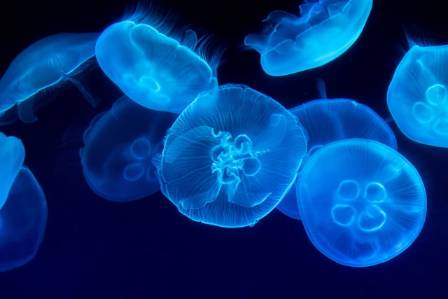
The idea that an animal can learn from experience without a brain sounds like science fiction, yet new research on the Caribbean box jellyfish (Tripedalia cystophora) proves it’s a biological reality. For decades, scientists assumed learning—even basic forms of associative learning—required a centralized nervous system, typically a brain or complex ganglia. Jellyfish, however, defy this fundamental assumption: they lack any concentrated nerve center, relying instead on a diffuse network of neurons spread across their bodies. This discovery not only reshapes our understanding of what it means to “learn” but also raises profound questions about the origins of cognition, suggesting that complex behaviors may have evolved earlier in the animal kingdom than previously thought.
COVER · en
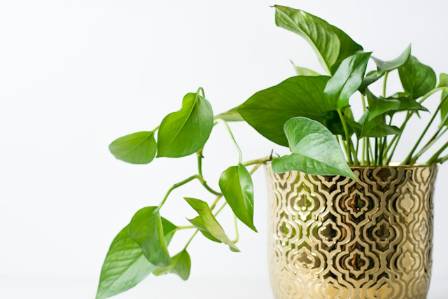
Pothos Plant Care: The Easiest Trailing Houseplant
Looking for a hanging houseplant that is attractive, forgiving, and simple to care for? Pothos is an excellent choice. With its long trailing vines and lush foliage, it can bring a tropical feel to an indoor space without requiring complicated maintenance.
COVER · en

Chocolate Boba Milk Tea (Bubble Tea): Creamy, Decadent & Ready in 10 Minutes
There’s something magical about the combination of rich chocolate and chewy boba pearls—two beloved treats that come together to create a drink that’s equal parts comforting and indulgent. This Chocolate Boba Milk Tea is the ultimate fusion of hot chocolate’s creamy sweetness and bubble tea’s fun, textural appeal, and the best part? It’s ready in just 10 minutes with only 8 simple ingredients. Whether you’re a die-hard boba fan or just craving a chocolatey pick-me-up, this recipe is designed to be easy, customizable, and utterly irresistible. No fancy equipment or hard-to-find ingredients required—just basic pantry staples and a love for all things sweet and chewy. Let’s dive into why this recipe needs to be your next go-to drink, plus step-by-step instructions, expert tips, and creative variations to make it your own.
COVER · en

The Coolest Retro New Cars You Can Buy Right Now
If you want a modern vehicle that still carries a vintage feel, there are several retro-inspired models available among today’s new cars. Many automakers regularly draw on their history for design inspiration, especially when working with legendary nameplates that have existed for decades. Whether you prefer nostalgic styling, playful character, or distinctive color themes, this list highlights retro-styled SUVs, coupes, convertibles, vans, and hatchbacks you can buy in 2026.
COVER · en

How Robotic Arms Work
Robotic arms are programmable machines designed to perform precise, repeatable movements using a combination of motors, sensors, and controllers. They play a critical role in industries ranging from automobile manufacturing to food packaging and medical procedures, delivering consistent accuracy in tasks that demand reliability.