Shelf read
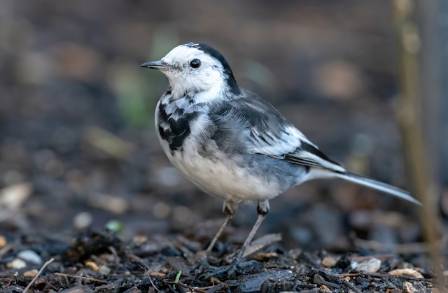
The ubiquitous White Wagtail
As temperatures drop sharply across northern Spain, increasing numbers of wintering birds arrive in the Serranía de Ronda. This seasonal movement happens every year, with many species seeking shelter in the milder landscapes around the southernmost edge of the Baetic mountain system.
Nina Walker
Library note
Reading tip
The full chapter continues below on the soft reading shelf.
Stack
Pocket Library
As temperatures drop sharply across northern Spain, increasing numbers of wintering birds arrive in the Serranía de Ronda. This seasonal movement happens every year, with many species seeking shelter in the milder landscapes around the southernmost edge of the Baetic mountain system.
As part of a winter bird survey in this region, I frequently encounter one particular species: the White Wagtail, Motacilla alba alba. These birds are remarkably widespread, including at relatively high elevations, and their graceful appearance and lively behavior make them one of the most enjoyable visitors of the winter season.
Although a small number remain here to breed, breeding White Wagtails are relatively uncommon and can sometimes be surprisingly difficult to find. The situation changes dramatically during winter and migration, when they become one of the most frequently encountered birds in the area.
Autumn Brings Large Numbers of Wagtails
Toward the end of summer and throughout early autumn, large numbers of White Wagtails arrive in the region. Their arrival happens at roughly the same time that cereal fields and other agricultural land are being cultivated after remaining largely unused during July and August.
It is not unusual to see hundreds of wagtails moving behind a plough as they search through freshly turned soil. The exposed ground provides an abundance of earthworms and beetle larvae, creating an excellent feeding opportunity.
Many of these birds will eventually continue farther south and spend the winter in North Africa. As autumn advances, however, the number of wagtails choosing to remain in the Serranía de Ronda gradually increases.
Winter Feeding and Roosting Areas
During winter, White Wagtails tend to become quite sociable, gathering in groups at locations where food is plentiful. Open agricultural fields are among their favorite places, but they also make use of pasture, highland scrub, and open woodland where grassy vegetation grows beneath the trees.
Olive groves are another particularly attractive habitat for them. Their habit of gathering at communal roosts also provides an excellent opportunity for observers to estimate the size of the wintering population more accurately.
Before settling into their evening roosts, however, the birds need access to water for drinking and bathing.
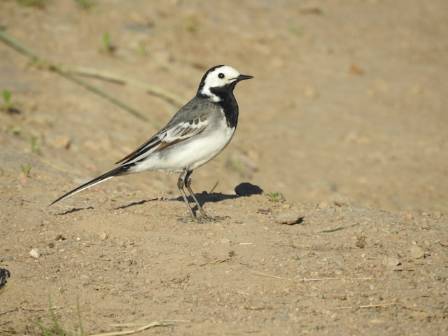
Their Winter Baths Are a Delight to Watch
One of the most entertaining parts of observing White Wagtails during winter is watching them arrive at their traditional bathing sites. On cold, late afternoons, their energetic bathing routines provide welcome entertainment.
Even when temperatures are low enough to keep most people sitting beside a fire or watching the outdoors through a car window, these birds continue meticulously cleaning themselves. They devote considerable time to washing and carefully arranging every feather, displaying remarkable determination despite the cold.
Searching for Food as Winter Progresses
Once winter settles into its typical pattern of chilly nights and relatively mild days, White Wagtails become more widely distributed throughout the mountain valleys and cultivated landscapes.
This broader distribution reflects the declining availability of insects as the season progresses. Although wagtails are insectivorous and naturally favor insects, their feeding habits become somewhat more varied between December and February.
During these months, they are often seen on pastures and along tracks where roadside vegetation provides plenty of seeds. Longer grass is also valuable because it can harbor large numbers of spiders, which become another useful food source when insects are less abundant.
Cold Weather Causes Only Temporary Movements
Throughout most of the winter, the number of White Wagtails in the area remains relatively stable. A noticeable decline usually occurs only during particularly cold spells, and even then the reduction is temporary.
The birds most likely respond to severe cold by moving short distances toward more favorable conditions. Some may shift to lower elevations where temperatures are warmer, particularly when conditions higher in the mountains become difficult.
As March arrives, the wintering population gradually begins moving northward as spring migration gets underway. This movement is easy to overlook because many other migratory birds are simultaneously returning from Africa.
The Return of Spring Migrants
By early April, the change becomes much more obvious. Almost suddenly, the large wintering groups of White Wagtails have disappeared from the landscape.
Their departure is made slightly easier to accept by the arrival of Yellow Wagtails in increasing numbers. The appearance of these returning spring migrants provides a welcome reminder that the seasons are changing and that another cycle of bird migration is beginning.
COVER · en

What is a Technological Device
A technological device is any piece of equipment or tool developed using scientific principles to carry out specific tasks, boost productivity, or address problems. These devices have become a central part of everyday life, affecting how we work, communicate, and enjoy leisure activities.
COVER · en

Top 10 New Convertibles
In an age dominated by SUVs, electric performance cars, and practical crossovers, the appeal of a convertible remains uniquely emotional. These are not vehicles chosen purely for logic or efficiency—they exist for experience.
COVER · en

Earth’s Largest Deserts: From Ice to Sand
Deserts are landscapes defined by extreme dryness—typically receiving less than 250 mm of precipitation annually—and often losing more moisture via evaporation than they gain from rainfall. While many imagine deserts as endless seas of sand, dunes actually cover only around ten percent of desert terrains. Deserts can be classified into four main types: hot and dry (aka subtropical), semi arid, coastal and cold (polar) environments. Below is a portrayal of the ten largest deserts on Earth by total area, following the same order as in the original piece, with each section heading freshly worded.
COVER · en

Perfect Sushi Rice
This is my go-to method for making ideal sushi rice at home. It can be enjoyed on its own or used as a base for sushi rolls filled with your favorite ingredients. I usually add thin strips of carrot, cucumber, and avocado slices. You can also adjust the levels of vinegar, sugar, and salt depending on your personal preference.
COVER · en

Constructing a Miniature Felt Home: A Comprehensive Guide for Beginners
Since being inspired by the whimsical charm of fantasy literature, I have developed a deep appreciation for unique and quirky architectural designs. One of the best ways to bring these visions to life is through the medium of felt.
COVER · en

Five Of The Most Resilient Seaside Plants
The coastal environment—characterized by salt-saturated winds, sandy substrates, and unstable terrain—creates exceptionally demanding conditions for plant survival. Yet a selection of resilient species not only endure these challenges but flourish within them. As more people explore Britain's coastline, it's an ideal opportunity to appreciate the remarkable vegetation thriving at the water's edge. What botanical treasures might you discover during your next seaside visit?