PL
pipilandbook.com
The Cultural Significance of Macarons in France

Shelf read

The Cultural Significance of Macarons in France

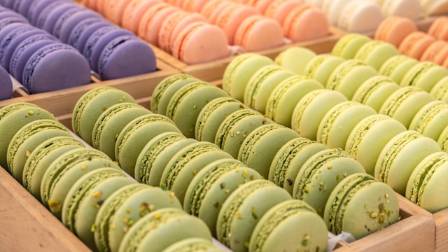
Picture a delicate, jewel-toned confection: crisp yet chewy, with a burst of flavor that balances sweetness and sophistication. This is the French macaron—more than a cookie, it’s a cultural touchstone that has captivated palates worldwide while holding sacred status in its homeland. In France, macarons weave through daily life and milestone moments alike, blending edible artistry with social meaning. They are testaments to French culinary rigor, symbols of refinement, and vessels of joy, bridging centuries of tradition with modern allure. To bite into a macaron is to taste the essence of France—precision, creativity, and joie de vivre.

H

Harper

Library note

Reading tip

The full chapter continues below on the soft reading shelf.

Stack

Pocket Library

Introduction

Picture a delicate, jewel-toned confection: crisp yet chewy, with a burst of flavor that balances sweetness and sophistication. This is the French macaron—more than a cookie, it’s a cultural touchstone that has captivated palates worldwide while holding sacred status in its homeland. In France, macarons weave through daily life and milestone moments alike, blending edible artistry with social meaning. They are testaments to French culinary rigor, symbols of refinement, and vessels of joy, bridging centuries of tradition with modern allure. To bite into a macaron is to taste the essence of France—precision, creativity, and joie de vivre.

Historical Roots: From Italian Import to French Icon

The macaron’s journey to French cultural prominence began with a 16th-century cross-cultural exchange. When Catherine de’ Medici married King Henry II of France in 1533, her Italian pastry chefs brought along a simple almond cookie—a humble precursor to the modern macaron. For centuries, French pâtissiers refined this basic recipe, but the defining transformation came in the early 20th century, when Pierre Desfontaines of the iconic Ladurée bakery (founded in 1862) revolutionized the treat by sandwiching two almond meringue shells with creamy fillings, giving birth to the “Paris macaron” we know today . This innovation turned a modest cookie into a luxury item, beloved by French nobility—most famously showcased in the film Marie Antoinette, where Versailles is adorned with Ladurée macarons piled in golden pyramids . By the late 20th century, brands like Pierre Hermé—dubbed the “Picasso of Pastry”—elevated macarons further, introducing seasonal flavors and artistic presentations that solidified their status as a cultural phenomenon .

Regional Variations: A Tapestry of French Flavors

As macarons spread across France, they absorbed local identities, creating a mosaic of regional specialties. In Bordeaux, canelé-inspired macarons carry the nutty, rum-kissed notes of the region’s famous custard cakes, while Provence’s lavender-infused versions echo the scent of its sun-drenched fields . Lorraine boasts the “Nancy macaron,” a single-shelled variety with a distinctive cracked surface, and Saint-Émilion offers wine-infused iterations that pay homage to the region’s vineyards . Paris, however, remains the epicenter of macaron innovation: here, pastry chefs push boundaries with bold combinations—from foie gras and fig to matcha and white chocolate—while preserving the classic techniques that define the treat . Institutions like Gérard Mulot further enrich this landscape, crafting seasonal flavors like black cherry in spring and hazelnut in winter, hailed by French media as a “symphony of color and taste” .

Culinary Heritage: Artisanal Craft and Rigor
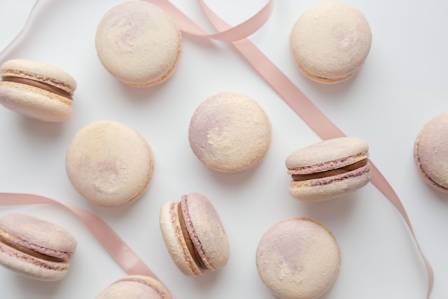
Macarons are more than desserts—they are a benchmark of French pastry expertise. Mastering their creation is a rite of passage in French culinary schools, requiring meticulous precision: from sifting almond flour to achieve a velvety texture, to perfecting the “macaronage” (folding meringue and almond mixture to the ideal consistency), to nurturing the signature “feet” (the ruffled edge that forms during baking) . Each macaron undergoes up to 12 labor-intensive steps, with no room for compromise—subpar ingredients or hasty techniques result in a flawed final product . Premium components are non-negotiable: fresh, room-temperature egg whites for stable meringue, top-tier vanilla beans, fruit purees, and chocolates that shine through the delicate shell . This commitment to craft has made macarons a symbol of French culinary excellence, with artisanal bakers honoring tradition while embracing subtle innovations that keep the treat relevant.

Social Rituals: Macarons as Connection

In France, macarons are social currency—offering a box is a gesture of friendship, gratitude, or celebration that speaks volumes about thoughtfulness. The custom of “un café et un macaron” (a coffee and a macaron) is a beloved ritual, where friends gather to chat over a single, indulgent bite . During holidays, elaborately packaged macarons become prized gifts, their ornate boxes often saved as keepsakes . They play a starring role in life’s milestones: wedding receptions feature towering macaron displays (symbolizing the fragility and beauty of marriage), while business meetings use them to add a touch of savoir-faire when thanking clients or colleagues . Even informal gatherings are elevated by their presence—their vibrant hues and bite-sized perfection make them the ideal finger food, blending elegance with approachability.

Contemporary Significance: Luxury and Global Appeal

Today, macarons are synonymous with French luxury, their price point and  presentation positioning them as an indulgent treat rather than an everyday snack . High-end pâtisseries like Ladurée and Pierre Hermé have expanded globally—Ladurée operates 54 stores across 21 countries, while Pierre Hermé’s “macaron of the year” and seasonal collections generate worldwide buzz . Their luxury status extends to hospitality: five-star hotels greet guests with macaron platters, and fine dining restaurants serve them as a sophisticated pre-dessert or mignardise . Beyond France, macarons have become a global cultural phenomenon—fueled by social media, where their pastel colors and perfect symmetry make them Instagram staples . In 2025 alone, global macaron sales are projected to exceed 100 million units, with demand driven by their association with Parisian chic and artisanal quality .

Pop Culture Influence: From Pastry to Lifestyle

Macarons have transcended culinary boundaries to shape fashion, beauty, and design. The “macaron aesthetic”—soft pastels, delicate lines, and whimsy—has inspired clothing collections, home decor, and graphic design, while beauty brands like Ladurée (in collaboration with Albion) have launched macaron-themed makeup lines, featuring petal blushes and creamy lipsticks that channel the treat’s feminine allure . In event planning, macarons are a versatile staple: wedding towers replace traditional cakes, baby showers feature gender-themed pastels, and corporate events use custom-branded macarons as edible business cards . Even non-French contexts embrace them—tourist destinations craft cultural macarons (infused with local flavors) as souvenirs, blending global appeal with regional identity . Pierre Hermé’s designation of March 20 as “Macaron Day” further cements their cultural status, with free macarons and global celebrations honoring the treat .

Conclusion

From their humble Italian origins to their status as a global symbol of French culture, macarons embody the best of France’s culinary and social heritage. They are a testament to artisanal rigor, a  of connection, and a beacon of luxury—balancing tradition and innovation in every bite. Whether enjoyed in a Parisian café, gifted in an ornate box, or admired as a design inspiration, macarons continue to captivate with their beauty, flavor, and cultural resonance. As they evolve with modern tastes—embracing global flavors and sustainable practices—they remain rooted in the values that made them iconic: precision, elegance, and the joy of sharing. In the tapestry of French culture, macarons are more than a confection—they are a timeless expression of what it means to savor life’s sweet moments.

More on this shelf

CV

COVER · en

Masterpieces of the Golden Hour: Iconic Sunset Paintings

Masterpieces of the Golden Hour: Iconic Sunset Paintings

Nature, with its grand forms and ephemeral beauty, has remained a central preoccupation for artists across the centuries. Sunset paintings, in particular, demonstrate the incredible versatility of the artistic gaze. Whether rendered as a meticulous sketch, a vibrant play of pure pigment, a majestic landscape, or a suggestive abstraction, these works represent far more than the simple conclusion of a day.

CV

COVER · en

Pottery Art: Traditions and Modernity

Pottery Art: Traditions and Modernity

Pottery is among the most ancient and significant creative practices in global culture. It merges practical use with artistic expression, and for millennia it has reflected humanity’s deep connection with the natural world. In this article, we look at the history and modern developments of pottery, and how it continues to transform through innovation and contemporary creativity.

CV

COVER · en

Beautiful Gemstone Brooches

Beautiful Gemstone Brooches

A brooch is a type of jewelry designed to be attached to clothing with a clasp, fastening mechanism, or pin. For this reason, brooches are often simply called “pins.” They may serve a decorative role or have a practical function when used to secure fabric.

CV

COVER · en

The Moon’s Far Side: Exploration, Legends, and Lunar Lore

The Moon’s Far Side: Exploration, Legends, and Lunar Lore

A Chinese robotic lander has begun examining the Moon’s remote hemisphere — the side never visible from Earth. The Chang’e-4 mission aims to analyze lunar soil and conduct geological investigations. China intends to build on this effort by launching future projects that will retrieve samples and bring them back to terrestrial labs.

CV

COVER · en

8 Simple Steps to Create the Perfect Cozy Corner in Any Room

8 Simple Steps to Create the Perfect Cozy Corner in Any Room

Transforming any room into a cozy haven is easier than you might think. A well-designed cozy corner can serve as your personal retreat, offering a peaceful space to read, relax, or unwind. Whether you have a large living room or a small apartment, following a few simple steps will help you craft a cozy nook that enhances your home’s atmosphere. In this guide, we’ll cover the essential elements such as lighting, seating, textiles, and greenery to help you create the perfect cozy space.

CV

COVER · en

2025 Men’s Business Casual Guide: 14 Styles & Essential Rules for the Modern Workplace

2025 Men’s Business Casual Guide: 14 Styles & Essential Rules for the Modern Workplace

Business casual remains one of the most misunderstood yet ubiquitous dress codes in men’s fashion—an oxymoron that balances professionalism with comfort, formality with personality. Coined as a middle ground between stiff suits and overly casual loungewear, it has evolved dramatically since its Silicon Valley origins in the 1980s, adapting to shifting workplace cultures, remote work trends, and the blurring lines between office and off-duty style. In 2025, business casual is less about rigid rules and more about intentionality: dressing appropriately for your industry while embracing pieces that reflect your personal taste. Whether you work in a creative startup, a traditional law firm, or a hybrid office, this guide breaks down the key pieces, styling tips, dos and don’ts, and FAQs to help you master business casual with confidence—proving that you don’t have to sacrifice style for comfort, or professionalism for individuality.