Business casual remains one of the most misunderstood yet ubiquitous dress codes in men’s fashion—an oxymoron that balances professionalism with comfort, formality with personality. Coined as a middle ground between stiff suits and overly casual loungewear, it has evolved dramatically since its Silicon Valley origins in the 1980s, adapting to shifting workplace cultures, remote work trends, and the blurring lines between office and off-duty style. In 2025, business casual is less about rigid rules and more about intentionality: dressing appropriately for your industry while embracing pieces that reflect your personal taste. Whether you work in a creative startup, a traditional law firm, or a hybrid office, this guide breaks down the key pieces, styling tips, dos and don’ts, and FAQs to help you master business casual with confidence—proving that you don’t have to sacrifice style for comfort, or professionalism for individuality.
Defining Business Casual: Origins, Evolution & Core Ethos
Business casual’s roots trace back to 1980s Silicon Valley, where tech companies prioritized results over rigid dress codes, replacing suits with khakis and polo shirts to foster a more inclusive, innovative work culture. The trend gained mainstream traction in the 1990s when Dockers mailed its “Guide To Casual Business Wear” to 25,000 HR managers, attempting to codify the ambiguous dress code. Since then, it has evolved from a “one-size-fits-all” uniform of chinos and polos to a flexible aesthetic that adapts to industry norms: creative fields may embrace jeans and sneakers, while finance and law still lean toward structured separates. At its core, business casual is about balance—looking polished enough to convey competence, but relaxed enough to feel approachable. As style author Josh Sims notes, it “helped change attitudes to how men could or should dress at work, prefiguring the breakdown of office dress codes over the past couple of decades.” In 2025, this ethos remains: business casual is not about being “casual about business,” but about dressing in a way that feels authentic while respecting your workplace’s expectations.
5 Essential Pieces for a Versatile Business Casual Wardrobe
A strong business casual wardrobe hinges on foundational pieces that mix and match seamlessly, offering endless combinations for different occasions. Chinos (or khaki pants) are non-negotiable—originating from military uniforms, they strike the perfect balance between jeans (too casual) and dress trousers (too formal). Opt for dark hues like navy, charcoal, or black for versatility and a slimming effect; pleats, center creases, and tab closures add subtle formality, while rolled cuffs lean casual. An unstructured blazer is the ultimate transitional piece: without the padding and canvassing of a suit jacket, it feels softer and more relaxed, yet still elevates even casual outfits like T-shirts and jeans. Look for styles in knitted fabrics, boiled wool, or technical blends from brands like Theory or Boglioli for a modern twist. The Oxford button-down shirt is a timeless staple—its soft collar and button-down design are more harmonious with casual separates than stiff poplin dress shirts. Choose non-iron versions from Charles Tyrwhitt for low-maintenance polish, and opt for a medium collar width for versatility (narrow collars feel contemporary but limit tie options). Polo shirts, once dismissed as “middle-manager attire,” are now elevated with premium fabrics like merino wool (try Velasca’s Bard style) and long sleeves for office appropriateness—stick to subtle logos or logo-free designs to avoid looking unprofessional. Finally, smart trainers complete the look: dark leather or suede pairs with a sleek profile (like Tod’s Tabs Sneakers) blur the line between athletic and dressy, offering comfort without sacrificing polish.
Top Styling Tips: Mastering Balance & Personality

Styling business casual is all about balancing formal and casual elements to create a cohesive look that fits your workplace. First, restructure your officewear by prioritizing unstructured tailoring—blazers with soft shoulders and pliable fabrics feel modern and relaxed, while still signaling “professional.” If a blazer feels too formal, swap it for a shawl-collar cardigan (avoid chunky ribbing or outdoor toggles) or a lightweight bomber jacket in wool or cotton (navy or black works best) for a more laid-back yet put-together vibe. Embrace team player styling by pairing crew-neck sweaters (instead of dated V-necks) with open-collared shirts, or adding a knit bomber to blazers and chinos for a sporty edge. Dress down everyday pieces by choosing soft-collared button-downs in Oxford or chambray (instead of shiny poplin) or merino polos under blazers—even a well-fitted Supima cotton T-shirt (like Uniqlo’s) can work with a blazer if it’s crisp and logo-free. Slack off (or on) by adjusting the formality of your trousers: pair tailored chinos with a T-shirt and trainers for balance, or dressy joggers (with pleats and no ankle cuffs) with a button-down for a hybrid look—just avoid overly thin or shiny fabrics. Incorporate workwear elements like dark, non-distressed selvedge denim (Wax London’s Loose Fit Jeans) for casual workplaces, keeping details minimal to maintain professionalism. Check the “footsie index”: sleek brogues or Derby shoes add formality, while clean, minimal trainers (Clae Bradley’s) keep it casual—avoid chunky high-tops or scuffed shoes. Pack smart with a leather backpack (Bennett Winch’s style) instead of a messenger bag for a modern, functional look, and clock on with a metal bracelet watch (Nixon’s Time Teller) to add polish to even the most casual outfits.
Common Dos & Don’ts: Navigating Workplace Norms
Mastering business casual means knowing where to draw the line between relaxed and unprofessional. Do wear workwear-inspired pieces like puffer vests or structured pants, but leave distressed Carhartt overalls at home—well-worn items with tears or stains are never appropriate. Do err on the side of formality: if unsure about jeans, opt for chinos; if unsure about trainers, wear dress shoes. You can always remove a tie or unbutton a collar, but you can’t magically add formality if you’re underdressed. Do dress appropriately for your industry: a startup may allow jeans and sneakers, but a law firm will likely require blazers and chinos. Do keep casual pieces pristine—T-shirts, trainers, and jeans should be clean, wrinkle-free, and free of holes or logos. Do mix textures: coarse wool blazers, matte Oxford shirts, and textured chinos add depth and casualness, while avoiding the “suit without a tie” look. Do adjust your outfit based on your schedule: go more casual on days without client meetings, but keep a blazer handy for last-minute appointments. Do add subtle accessories: a metal watch, leather bag, or minimal cufflinks elevate even simple outfits. Don’t wear only workwear—avoid head-to-toe utility gear or overly casual pieces like hoodies. Don’t dress like a “worker drone”: while tradition has its place, business casual allows for personality—avoid stiff, ill-fitting pieces that feel like a uniform. Don’t overdo athleisure: sporty polos and trainers are fine, but gym shorts, leggings, or sweatpants are off-limits. Don’t wear pinstripes unless they’re part of a casual outfit (e.g., pinstripe trousers with a T-shirt and trainers)—they scream “formal business” in most contexts. Don’t take a casual approach to grooming: neat hair, trimmed facial hair, and polished shoes complete the look. Don’t wear flip-flops, sandals, or overly casual footwear—they undermine even the most put-together outfit.
Final Thoughts: Embracing Intentionality in Workplace Style
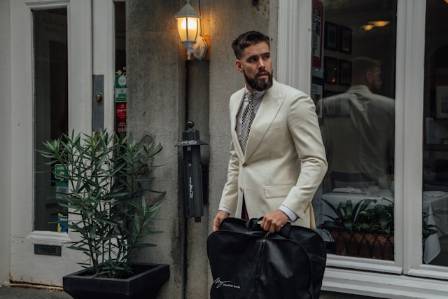
In 2025, business casual is less about following strict rules and more about intentional styling—choosing pieces that fit your industry, workplace culture, and personal taste. The best business casual outfits feel effortless: they’re polished enough to convey competence, comfortable enough to wear all day, and authentic enough to reflect who you are. Whether you’re wearing chinos and a blazer to a client meeting, jeans and a polo to a team brainstorm, or a sweater and tailored trousers to a hybrid workday, the key is to balance formality and casualness, textures and colors, and tradition and personality. By investing in versatile foundational pieces, mastering the art of mixing and matching, and understanding your workplace’s norms, you can elevate your business casual game—proving that dressing for work doesn’t have to be a chore, but an opportunity to express your style with confidence.