Shelf read
Masterpieces of the Golden Hour: Iconic Sunset Paintings
Nature, with its grand forms and ephemeral beauty, has remained a central preoccupation for artists across the centuries. Sunset paintings, in particular, demonstrate the incredible versatility of the artistic gaze. Whether rendered as a meticulous sketch, a vibrant play of pure pigment, a majestic landscape, or a suggestive abstraction, these works represent far more than the simple conclusion of a day.
Christopher Hayes
Library note
Reading tip
The full chapter continues below on the soft reading shelf.
Stack
Pocket Library
Nature, with its grand forms and ephemeral beauty, has remained a central preoccupation for artists across the centuries. Sunset paintings, in particular, demonstrate the incredible versatility of the artistic gaze. Whether rendered as a meticulous sketch, a vibrant play of pure pigment, a majestic landscape, or a suggestive abstraction, these works represent far more than the simple conclusion of a day.
The concept of "the end" carries a universal fascination, often finding its perfect metaphor in the setting sun. While a few critics might dismiss the dramatic light and intense color palettes of a sunset as leaning toward "kitsch," most agree that there is no greater master of color than nature herself.
The Impressionist Revolution and the Sunset
The advent of Impressionism fundamentally changed how artists approached the natural world. Instead of striving for photographic realism, painters began to focus on the "impression" of reality—capturing a specific moment in time through the en plein air (outdoor) method. Through their use of color and light, we can discern the atmospheric conditions of that specific day, as well as the emotional state of the artist as they stood before the horizon.
Winslow Homer: American Serenity
A self-taught artist who began his career in printmaking and illustration, Winslow Homer became a premier chronicler of American outdoor life. He frequently moved between oil and watercolor to capture the grandeur of the wilderness and the sea. In his work Sunset, Homer offers a tranquil vision of the day’s end. The painting reflects his deep adoration for the environment, blending a sense of daily labor with the quiet repose that follows as the sun dips below the horizon.
Vincent van Gogh: Fiery Heavens and Golden Showers
Vincent van Gogh is celebrated as one of the most expressive figures in art history. His landscapes were almost always painted outdoors, creating a direct, visceral connection with his surroundings. In Willows at Sunset, his violent brushstrokes and heavy impasto suggest a hurried attempt to capture the sun’s descent. Here, the sun is treated with iconic importance, appearing as a burning orb that dominates the frame.
In Sunset at Montmajour, Van Gogh’s inner turmoil is channeled into a scene of extraordinary beauty. Describing the experience in a letter to his brother Theo, Vincent spoke of the sun pouring "yellow rays over the bushes and the ground, absolutely a shower of gold." He noted the "charming nobility" of the scene, where the fields appeared purple and the distance a deep blue, evoking a sense of romantic history.
Edvard Munch: The Anxiety of Nature
The world-famous painting The Scream was originally titled The Scream of Nature. In this expressionist masterpiece, Edvard Munch depicts a figure paralyzed by anguish against a backdrop of swirling red and orange. Some historians suggest these fiery hues were inspired by the vivid sunsets following the eruption of Krakatoa. Beyond the geological influence, the painting uses the end of the day to symbolize a profound internal disconnect and existential dread.
Claude Monet: The Diary of Light
As a foundational figure of Impressionism, Claude Monet revolutionized the practice of painting outdoors. He was less interested in the physical details of a building or a bridge than in the "atmospheric envelope" surrounding them. In The Houses of Parliament, Sunset, Monet captures the shifting, ephemeral quality of light. Because he often painted the same subject at different times of day, his body of work functions as a visual diary of light’s constant evolution.
In Sunset in Venice, painted as his eyesight began to fail, Monet focused entirely on the essence of color rather than distinct shapes. He once remarked that a painter should forget what object is before them and simply concentrate on the patches of color. This masterpiece serves as a testament to that philosophy, using vibrant hues to define the sun setting over the Venetian lagoon.
Georgia O’Keeffe: Modernist Abstraction
Commonly referred to as the "Mother of American Modernism," Georgia O’Keeffe sought to abstract the natural world to heighten its appeal. In Sunset, Long Island, she utilizes flat, nearly monochromatic surfaces to represent the sun dipping into the Hudson River. By simplifying the landscape into essential shapes and colors, she bridged the gap between traditional scenery and modern abstraction.
David Hockney: The Radiant North
British artist David Hockney is known for his ability to transform landscapes into uncharacteristically lavish and vibrant scenes. In Northern Sunset, he depicts the midnight sun of Norway. Despite the frigid setting, the painting radiates an intense warmth, showing the sun making a magnificent entrance into deep blue waters. Hockney’s willingness to use "unnatural" colors highlights his commitment to artistic freedom and individuality.
Shepard Fairey and Koen van den Broek: Contemporary Perspectives
Moving into the realm of contemporary art, Shepard Fairey offers a different take with his lithography print Evolve Devolve. Combining collage with traditional printmaking, Fairey uses the sunset motif to draw attention to global ecological crises. For him, the sunset isn't just a beautiful view; it is a call to awareness regarding the planet's future.
Similarly, Belgian painter Koen van den Broek creates dramatic tension in his work Sunset. Influenced by the cinematic style of filmmaker Federico Fellini, the painting presents an open-ended narrative. A figure gazes at a distant town, leaving the viewer to wonder if they are witnessing the hopeful start of a journey or a final, somber goodbye.
COVER · en

Colorful Wonders: 9 Intriguing Crayon Facts You Might Not Know
While the exact origin of the modern crayon remains a mystery, the artistic tradition of blending pigments with oils stretches back millennia. This ancient technique, utilized by numerous cultures, laid the groundwork for the drawing tools we recognize today.
COVER · en
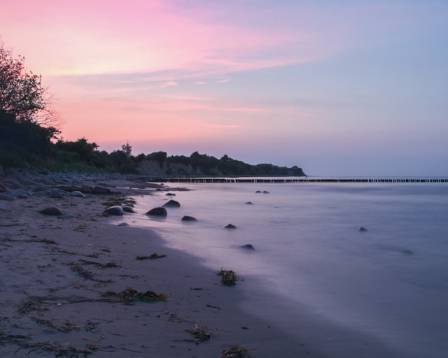
13 Dreamy Beaches for Sunset Lovers
Sunset-seekers around the globe chase the perfect horizon: that glowing moment when day meets night, sky meets sea. From tranquil coral islands to northern cliff-edges under the midnight sun, these 13 destinations stand out for their unforgettable end-of-day views.
COVER · en

2025 Men’s Business Casual Guide: 14 Styles & Essential Rules for the Modern Workplace
Business casual remains one of the most misunderstood yet ubiquitous dress codes in men’s fashion—an oxymoron that balances professionalism with comfort, formality with personality. Coined as a middle ground between stiff suits and overly casual loungewear, it has evolved dramatically since its Silicon Valley origins in the 1980s, adapting to shifting workplace cultures, remote work trends, and the blurring lines between office and off-duty style. In 2025, business casual is less about rigid rules and more about intentionality: dressing appropriately for your industry while embracing pieces that reflect your personal taste. Whether you work in a creative startup, a traditional law firm, or a hybrid office, this guide breaks down the key pieces, styling tips, dos and don’ts, and FAQs to help you master business casual with confidence—proving that you don’t have to sacrifice style for comfort, or professionalism for individuality.
COVER · en
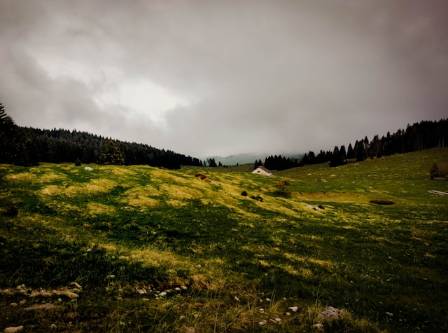
Four Key Features of a Healthy Forest
When we picture a healthy forest, we often imagine a dense stand of trees — but the reality is far richer. According to Rick Kuyper of the Sacramento Fish & Wildlife Office, in partnership with the U.S. Fish & Wildlife Service, successful forest ecosystems share four core elements that support resilience, biodiversity and habitat value.
COVER · en
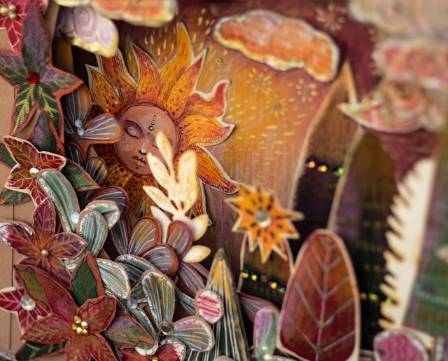
Botanical Realism in Paper
On Instagram, I discovered the exquisite floral paper creations of Marlene from Denmark, and I was instantly captivated. What strikes me most about her work is how she embraces every phase of a plant’s life, from budding flowers to wilted petals and autumnal browning leaves. Marlene’s goal is always to craft botanically accurate representations.
COVER · en
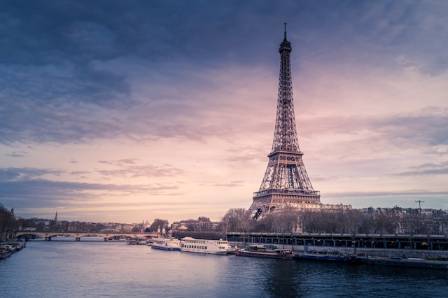
Best Time to Visit Eiffel Tower
Parisians may argue that the Eiffel Tower is nothing more than a touristy cliché, devoid of the city’s genuine romantic essence. But let’s be honest—nothing will stop you from wanting to see this iconic landmark, right? No matter what people say, this towering iron structure remains an unmissable sight. There are countless ways to experience it: you can admire its beauty from some of Paris’s top vantage points or take a heart-pounding ride up to the summit for an up-close encounter. But when is the best time to visit to avoid those dreaded lines? Keep reading to find out.