Shelf read
Nineteen Incredible Butterfly Facts That Will Completely Change How You See Them
Butterflies are some of the most beautiful insects on earth. Most people love watching them fly through backyard gardens. However these fragile creatures hold many deep biological secrets. Their anatomy and daily survival methods are far more complex than they appear at first glance.
Holland Sophia
Library note
Reading tip
The full chapter continues below on the soft reading shelf.
Stack
Pocket Library
Butterflies are some of the most beautiful insects on earth. Most people love watching them fly through backyard gardens. However these fragile creatures hold many deep biological secrets. Their anatomy and daily survival methods are far more complex than they appear at first glance.
Astonishing Senses and Hidden Physical Features
Many people do not know that butterflies actually taste their food using their feet. This unique trait helps them identify proper egg laying plants instantly. When these insects gather together the group is sometimes called a flutter. Their vision is equally magnificent. A butterfly eye contains roughly six thousand individual lenses. This complex eye structure allows them to see ultraviolet light waves. These light waves remain completely invisible to human eyes. Scientists also believed these insects were entirely deaf for a long time. This belief changed when researchers finally identified the very first butterfly ears in the year nineteen twelve.
Their colorful wings also hold surprising secrets. Most people believe these wings are filled with bright internal pigments. In reality butterfly wings are completely transparent and clear. The stunning colors and intricate patterns we observe are created entirely by the reflection of light hitting thousands of microscopic scales. These unique wings move in a distinct figure eight motion during flight. This complex mechanical movement helps them stay airborne easily. They do not sip liquids like humans do with straws. Instead they use a long tube like tongue called a proboscis to soak up nutrients. This flexible organ coils up tightly when the insect is not using it. They also possess fine sensory hairs rather than actual fur on their small bodies.
Massive Diversity and Extreme Flight Speeds
The global diversity of these winged insects is truly massive. Entomologists have identified roughly one hundred and sixty-five thousand distinct species so far. You can find these adaptable creatures living on every single continent across the globe except for freezing Antarctica. Their physical dimensions vary dramatically depending on the specific type. The largest species can measure a full twelve inches across from wingtip to wingtip. In sharp contrast the tiniest varieties might only reach half an inch in size.
These delicate creatures are essentially cold blooded animals. Their internal body temperature depends entirely on the surrounding environment. This trait directly affects how they move and fly. Most species travel through the air at relaxed speeds ranging from five to twelve miles per hour. This is equal to roughly eight to twenty kilometers per hour. However some varieties are incredibly swift. The unique skipper butterflies can fly so fast that they could easily outpace a running horse in a race.
The Magical Transformation From Caterpillar to Butterfly
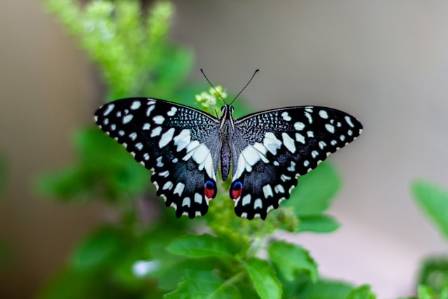
The lifecycle of these creatures begins with a very specific maternal choice. Certain butterfly species will only lay their eggs on one exact type of host plant. Once the young caterpillar finally hatches it immediately looks for food. Its very first meal is almost always the nutritious eggshell from which it has just emerged. These growing larvae possess a truly massive appetite. In some wild areas the sheer number of feeding caterpillars is completely overwhelming. The noise of them eating is so loud that humans can actually hear them munching on leaves. Good manners are clearly not a priority in butterfly society.
The hungry larva eventually undergoes a magical biological transformation. This famous process is scientifically known as metamorphosis. The caterpillar forms a protective chrysalis to rebuild its entire body structure. This incredible evolutionary event takes anywhere from ten to fifteen days to finish. The exact duration depends entirely on the specific species and local weather conditions. A beautiful winged adult finally emerges once the process concludes.
Bizarre Feeding Habits and Secret Mineral Clubs
Adult butterflies have highly unusual digestive systems and dietary needs. Many adult individuals never excrete any waste material during their entire lives. They efficiently utilize every single bit of food they consume to generate pure energy for flight. Their fluid diets can also take some incredibly dark turns. Certain butterflies have been observed drinking wet blood straight from open wounds on larger animals.
Male butterflies require specific nutrients that they cannot find inside regular flower nectar. They frequently gather around damp mud puddles to extract vital minerals and salts from the wet soil. Biologists officially refer to this unique behavior as puddling. These insects will often form large social groups at these wet sites. Scientists call these fascinating gatherings puddle clubs. The males drink together peacefully before flying back into the wild.
COVER · en

Choosing the Right Fireplace for Your Home
Adding a fireplace can be an excellent way to improve the atmosphere and appeal of your home while potentially increasing its value. Whether you prefer the traditional warmth of a wood-burning fireplace or the clean, modern look of an electric model, there are plenty of attractive options available today. Professional fireplace companies can help you compare different choices based on your home's style, heating requirements, and budget. With the proper advice, you can find a fireplace that brings both comfort and personality to your living area for years to come.
COVER · en

Mastering the Depths: A Comprehensive Guide to Underwater Art
Rendering underwater scenes requires a specialized approach to perspective and light. To create a convincing aquatic environment, an artist must often depict two worlds simultaneously: the atmospheric background above the surface and the submerged reality in the foreground. This transition creates a "window" effect that invites the viewer into the water.
COVER · en
Earth’s Largest Deserts: From Ice to Sand
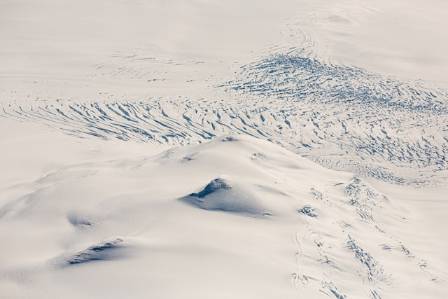
Deserts are landscapes defined by extreme dryness—typically receiving less than 250 mm of precipitation annually—and often losing more moisture via evaporation than they gain from rainfall. While many imagine deserts as endless seas of sand, dunes actually cover only around ten percent of desert terrains. Deserts can be classified into four main types: hot and dry (aka subtropical), semi arid, coastal and cold (polar) environments. Below is a portrayal of the ten largest deserts on Earth by total area, following the same order as in the original piece, with each section heading freshly worded.
COVER · en

The Beauty of Crevice Gardens
Who hasn’t been amazed by a dandelion pushing through a small sidewalk crack or a tree surviving on a rocky cliff? These examples remind us that plants can adapt to environments that seem impossible for growth. Many species have evolved to live in harsh conditions, and the combination of delicate foliage and flowers against rugged stone creates a unique visual effect. Crevice gardening gives gardeners the opportunity to recreate these natural scenes while experimenting with an unusual and artistic style of planting.
COVER · en
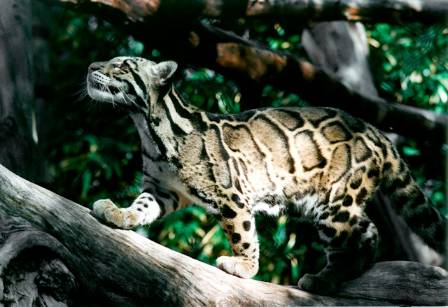
Meet the acrobatic clouded leopard
It may look a little like a tiger, but the clouded leopard is a completely different kind of cat. This remarkable animal moves through the trees of Southeast Asia’s rainforests with incredible agility. It can race up tree trunks, support its body while hanging from a branch with a single paw, and even move while hanging upside down. Its climbing abilities are truly extraordinary.
COVER · en

What is a Technological Device
A technological device is any piece of equipment or tool developed using scientific principles to carry out specific tasks, boost productivity, or address problems. These devices have become a central part of everyday life, affecting how we work, communicate, and enjoy leisure activities.