
Shelf read
The Beauty of Crevice Gardens
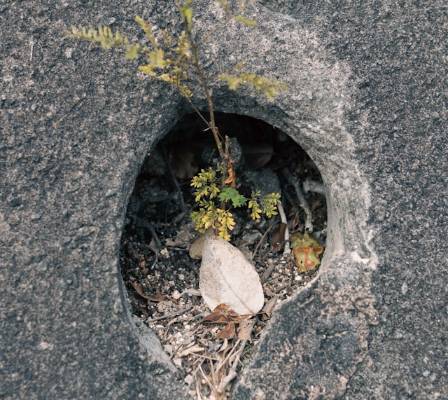
Who hasn’t been amazed by a dandelion pushing through a small sidewalk crack or a tree surviving on a rocky cliff? These examples remind us that plants can adapt to environments that seem impossible for growth. Many species have evolved to live in harsh conditions, and the combination of delicate foliage and flowers against rugged stone creates a unique visual effect. Crevice gardening gives gardeners the opportunity to recreate these natural scenes while experimenting with an unusual and artistic style of planting.
Cael Dawson
Library note
Reading tip
The full chapter continues below on the soft reading shelf.
Stack
Pocket Library
Who hasn’t been amazed by a dandelion pushing through a small sidewalk crack or a tree surviving on a rocky cliff? These examples remind us that plants can adapt to environments that seem impossible for growth. Many species have evolved to live in harsh conditions, and the combination of delicate foliage and flowers against rugged stone creates a unique visual effect. Crevice gardening gives gardeners the opportunity to recreate these natural scenes while experimenting with an unusual and artistic style of planting.
One of the biggest benefits of a crevice garden is its low water requirement. The plants commonly used in this type of garden are naturally adapted to dry environments, meaning excessive moisture can increase the risk of fungal and bacterial diseases. Another advantage is that crevice gardens can be more resistant to fire compared with traditional beds covered with bark or wood mulch.
Structure and Site
Building a crevice garden begins with creating a rocky framework. Flat stones, slate pieces, flagstones, or even recycled materials such as broken concrete slabs can be arranged vertically or at an angle, similar to plates placed in a dish rack. The narrow spaces between the stones are then filled with a fast-draining growing medium.
Another option is using hypertufa, a lightweight handmade material made from Portland cement, peat moss, perlite, and water. Gardeners can use it to create artificial stone slabs or planting containers. Since peat moss is a limited natural resource, some people replace it with coconut coir as a more sustainable alternative.
Although plant roots may eventually grow downward into the surrounding soil, the rocky surface remains dry. This makes it difficult for many weeds to establish themselves, although some persistent weeds can still survive in challenging conditions.
A crevice garden can be designed in many different styles. It may imitate a natural mountain landscape, create a modern stone arrangement, or become a small imaginative garden display. These gardens are especially useful for areas that are difficult to landscape, such as narrow side yards, spaces beside driveways, or locations where a retaining wall might otherwise be needed.
Crevice gardens can also be created in containers, which allows them to be moved whenever necessary. This makes them a practical choice for gardeners with limited outdoor space, such as small yards, balconies, or patios. Regardless of location, excellent drainage is essential. Planting on slopes, using raised beds, or choosing containers with proper drainage can help maintain suitable conditions.
Because many plants used in crevice gardens are small, raising them closer to eye level allows their details to be appreciated more easily. Combining plants of different heights also creates a more attractive and balanced arrangement.
Deep containers are usually better than shallow ones because they allow water to drain away from the plant crown while keeping moisture available around the roots. This can be compared to a kitchen sponge: when a soaked sponge is held horizontally, water remains inside longer, but when turned vertically, gravity allows more water to escape. Similarly, shallow containers tend to keep moisture distributed throughout the soil, while deeper containers encourage better drainage. However, smaller containers will naturally dry out faster regardless of their shape.
Many crevice garden plants come from alpine regions and desert environments. In hot climates, they may need protection from intense afternoon heat. Positioning the garden on the eastern side of a building, tree, or shrub can help prevent stones from becoming excessively hot. Dense natural rocks absorb and retain more heat than lighter porous materials such as volcanic stone or hypertufa.
Providing shade during the hottest part of the day with a patio umbrella or similar structure can also protect plants. In warmer regions, planting from fall through early spring allows plants to establish strong roots before summer temperatures rise.

Soil and Fertilizer
The most important characteristic of soil for a crevice garden is excellent drainage. Water should move away from the plant crown because this area is especially vulnerable to disease and rot when kept constantly wet. A properly balanced soil mixture provides both air and moisture by creating spaces between soil particles where roots can function effectively.
A typical crevice garden soil blend contains one-third garden soil, one-third sharp sand with irregular particles, and one-third gravel or grit. This combination creates different pore sizes that allow water to move downward while keeping the surface relatively dry and the roots supplied with moisture.
However, plants should never remain in standing water, as this can quickly cause serious damage. Container gardens usually require a slightly more moisture-retentive mixture because they dry out faster than plants growing directly in the ground.
Soil acidity is another factor to consider. Most alpine plants used in crevice gardens prefer neutral to slightly acidic soil, though some species require alkaline conditions. Plants that naturally grow in dry grasslands or desert environments, such as baby’s breath (Gypsophila), candytuft (Iberis), and saxifrages (Saxifraga), often perform better in alkaline soils.
Gardeners cannot easily change the natural soil conditions of an entire landscape, but raised beds and containers allow more control over the growing medium. Just as plants with similar water requirements should be planted together, species with similar pH preferences should also be grouped.
Crevice gardens also have the advantage of requiring very little fertilizer. Excess nutrients can cause plants to grow too quickly, producing soft and overly lush growth instead of the compact forms they develop in their natural habitats. Plants grown in containers may need occasional feeding because their roots cannot access nutrients below the container. When fertilizing, it is best to use about half the amount recommended on the product label.
Plants
A surprisingly wide range of plants can thrive in crevice gardens. The Rock Alpine Garden at Denver Botanic Gardens, for example, contains thousands of different plant varieties. Many botanical gardens and plant databases provide useful information about species origins and growing conditions, making it easier for gardeners to choose suitable plants.
Plants commonly used in crevice gardens include species from many different groups, such as:
Cyclamen, Daphne, Dianthus, Draba, Eriogonum, Festuca, Gentiana, Hosta, Iris, Lewisia, Penstemon, Polygala, Primula, Pulsatilla, Saxifrage, Sempervivums, and Tulipa.
With proper research, gardeners can select plants that match their local climate and conditions. Organizations dedicated to rock gardening also provide detailed guidance on suitable species.
Many popular crevice garden plants originate from Europe and Asia, but numerous native plants can also adapt well. In California, suitable choices include bitter root (Lewisia rediviva), Cascade desert parsley (Lomatium martindalei), coyote mint (Monardella odoratissima), dark-throated shooting star (Primula pauciflora), Davidson’s penstemon (Penstemon davidsonii), Idaho fescue (Festuca idahoensis), sulphur buckwheat (Eriogonum umbellatum), prairie flax (Linum lewisii), and yarrow (Achillea millefolium).
Starting plants in narrow rock spaces requires some planning. Because the planting gaps are small, gardeners usually use bare-root plants, small rooted cuttings, or seedlings grown from seed.
Crevice gardening does not require a large investment or a huge amount of effort. Even a small project can create a dramatic and beautiful result. These gardens use little water, need minimal fertilizer, and require less maintenance than many traditional garden styles. With the right materials, soil, and plant choices, anyone can create a unique rocky landscape full of character.
COVER · en
Most Beautiful Depictions of Harvest in Art
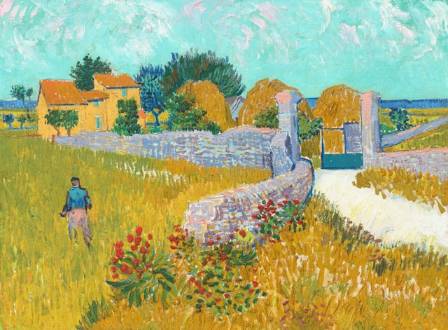
Here in Wales, the leaves are turning and beginning to drift from the trees. The final fruits and vegetables have been gathered, and the evenings are growing longer and darker. According to the pagan calendar, the Autumn Equinox and Samhain are now behind us. It is an ideal time to reflect on the year’s harvest—whether in a literal, spiritual, or emotional sense. Here are several renowned artworks celebrating the harvest to inspire you.
COVER · en

Beyond the Needle: History of Vinyl Records
Music lovers and history enthusiasts, today we are bringing these two fascinating worlds together by exploring the story behind one of the most iconic music formats ever created: the vinyl record.
COVER · en

Robotic Arms: Different Types and When to Use Them
Robotic arms are among the most recognizable types of robotic equipment used in modern industrial environments. Their remarkable speed, precision, and strength often capture people’s attention, yet many are still unfamiliar with their actual functions and practical applications. This article provides a general overview of robotic arms in industrial fields, helping you understand their capabilities and determine whether they are suitable for your needs.
COVER · en
Learning About the Great Mormon Butterfly Identification Features Facts and Visuals
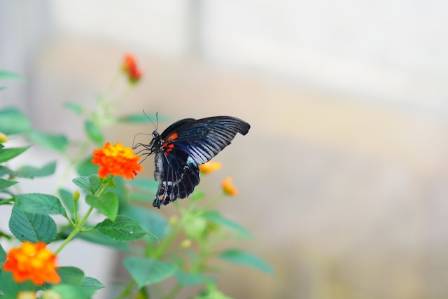
The Great Mormon Butterfly, scientifically known as Papilio memnon, is a fascinating member of the swallowtail butterfly family. It draws attention from butterfly lovers and scientists alike because of its substantial size and eye-catching looks. What makes this butterfly even more interesting is its wide presence across South and Southeast Asia, along with unique behaviors like mud-puddling—where it gathers with other butterflies to extract minerals from damp soil. Its ability to thrive in various countries and different types of habitats not only highlights its importance in the ecosystem but also shows how well it can adapt to changing surroundings.
COVER · en

10 Santa Crafts for Kids
There’s no more delightful way to embrace the holiday spirit than by crafting festive decor—especially when the whole family can join in the fun. This Christmas, center your creative projects around the jolliest icon of the season: Santa Claus. Using paint, paper, and recycled materials, you can bring Santa’s signature features to life—from his fluffy white beard and vibrant red coat to his rosy, cheerful cheeks. Most Santa-themed crafts are simple and straightforward, so even the most novice crafters (and the tiniest hands) can tackle them with ease in one cozy afternoon. No matter how you and your little ones picture Santa Claus this Christmas, these 10 creative, kid-friendly ideas are sure to spark joy and creativity.
COVER · en

Top 10 Citrus Desserts to Brighten Winter
Winter’s chill pairs perfectly with the bright, sweet-tart flavors of citrus desserts, especially since seasonal varieties like Meyer lemons and blood oranges are only available through early spring. Below are the top 10 picks from the 20-recipe roundup, each bringing a vibrant burst of citrus to your table: