Shelf read
Advancements in Robotic and Bionic Medical Technology
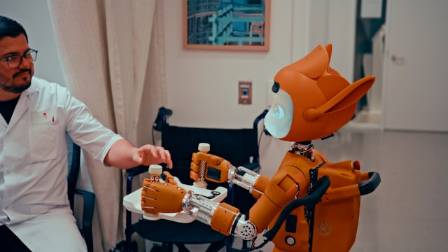
Robotic medical devices are sophisticated, intelligent machines designed to assist or replicate the actions of healthcare professionals. These systems represent a fusion of multiple high-level fields, including computer science, mechanical engineering, mathematics, and clinical medicine. Some of these units function entirely autonomously, while others are operated or monitored by human specialists. In the modern medical landscape, these technologies are primarily utilized for precision surgery, internal diagnostic procedures, and physical therapy to assist patients in recovering from debilitating injuries or neurological disorders.
Declan Hugo Beaumont
Library note
Reading tip
The full chapter continues below on the soft reading shelf.
Stack
Pocket Library
Robotic medical devices are sophisticated, intelligent machines designed to assist or replicate the actions of healthcare professionals. These systems represent a fusion of multiple high-level fields, including computer science, mechanical engineering, mathematics, and clinical medicine. Some of these units function entirely autonomously, while others are operated or monitored by human specialists. In the modern medical landscape, these technologies are primarily utilized for precision surgery, internal diagnostic procedures, and physical therapy to assist patients in recovering from debilitating injuries or neurological disorders.
Therapeutic Applications and Patient Advantages
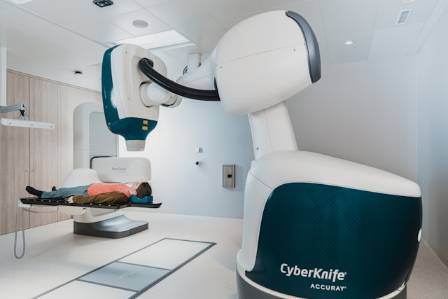
The integration of robotics into the operating room has revolutionized minimally invasive surgery. By utilizing robotic tools, surgeons can perform complex procedures through very small incisions, which significantly reduces the risk of post-operative infection, minimizes blood loss, and limits tissue damage. For the patient, this often results in a faster recovery period and a decreased reliance on pain medication. Surgeons also benefit from these systems; by operating via a specialized console, they can control robotic arms with greater stability and reduced physical fatigue during lengthy operations. These robotic limbs can be outfitted with high-definition 3D cameras and microscopic grippers, allowing for a level of precision that exceeds the human hand.
Beyond the operating theater, robotic technology is making significant strides in gastrointestinal care and physical rehabilitation. Robotic endoscopy systems allow physicians to remove early-stage tumors with extreme accuracy, preserving healthy tissue and even suturing internal openings immediately after a procedure. For individuals facing mobility challenges, robotic exoskeletons offer a path to independence. These wearable suits provide the structural support and motorized power necessary for patients with spinal cord injuries or limb loss to stand and walk. Modern "soft" exoskeletons, constructed from flexible and lightweight materials, are increasingly replacing rigid frames, offering a more comfortable and safer experience for the user.
Cutting-Edge Innovations in Medical Robotics
Ongoing research is pushing the boundaries of what robotic devices can achieve within the human body. One significant development is a semi-autonomous steering needle designed to navigate the dense and complex landscape of the lungs. Because the lungs are filled with critical blood vessels and branching airways, reaching small nodules for biopsies is traditionally difficult. This new robotic system can independently guide a flexible needle around anatomical obstacles, potentially allowing for earlier and safer cancer detection.
In the field of cardiac and neurological care, researchers are developing shape-shifting catheters and soft robotic tools. A new robotic catheter features a stabilizing mechanism and a flexible tip, allowing surgeons to navigate the intricate chambers of the heart with greater stability than standard tools. Similarly, soft robotic systems are being designed to move through the delicate vasculature of the brain. These advancements aim to simplify high-stakes procedures, such as treating brain aneurysms or performing heart surgery, making them less taxing on the patient’s body and increasing the overall success rate of minimally invasive interventions.
Restoring Function Through Bionic Systems
Bionic medical devices are high-tech instruments engineered to restore or enhance physical capabilities lost to disease or trauma. Unlike simple prosthetics, bionics are designed to actively mimic natural biological functions. For example, modern artificial limbs are equipped with microprocessors and sensors that analyze the force and angle of every step, allowing the user to control the limb's movement intuitively. This technology bridges the gap between mechanical hardware and human intent, providing a more natural range of motion for amputees.
Bionics also extend to the restoration of sensory functions, such as hearing and sight. Cochlear implants are surgically embedded electronic devices that bypass damaged parts of the ear to stimulate the auditory nerve directly, enabling those with severe hearing loss to perceive sound and speech. Similarly, retinal prosthetics are being used to assist patients with deteriorating vision. These implants capture incoming light and convert it into electrical impulses that the brain can interpret as visual information, partially restoring sight to those who were previously in total darkness.
The Future of Neurally Controlled and Self-Powered Bionics
Current research in bionics is focused on making artificial devices feel more like a natural part of the body. Engineers have developed prosthetic ankles that respond to electrical signals generated by the user's remaining muscles. This allows for instinctive balance corrections and a more stable walking experience. By tapping into the body's own neural signals, these devices offer a level of control that traditional prosthetics cannot match.
Furthermore, bioengineers are exploring ways to power medical implants using the body's own movements. New "piezoelectric" materials can generate an electrical charge simply by being flexed or compressed by contracting muscles. This thin, flexible technology could lead to self-powering implants that provide ongoing electrostimulation to speed up bone healing, maintain muscle tone, or manage chronic pain. By harnessing the mechanical energy of the human body, these bionic innovations are paving the way for a new generation of sustainable and highly effective medical therapies.
COVER · en

Cape Alava Trail — Olympic Peninsula, Washington
Hidden away on the rugged Olympic Peninsula, the Cape Alava Trail is one of Washington’s most enchanting coastal hikes. This route combines the beauty of moss-draped forest, the charm of wooden boardwalks, and the reward of a remote Pacific beach. For those who crave both tranquility and natural splendor, Cape Alava delivers an unforgettable experience.
COVER · en

Moose: The Giant of the Deer Family
A moose can often be seen crossing a mountain lake, paddling toward the forested shore. As it leaves the water, droplets fall from its massive antlers, which can measure nearly six feet (1.8 meters) across. Once it reaches land, the animal disappears among the surrounding trees.
COVER · en

8 Cool Off-Roading Features for Trucks
If you're considering purchasing an off-road truck, you've probably thought about the advanced features that can enhance your driving experience.
COVER · en

5 Fascinating Secrets Behind Paris’ Icon: Notre Dame Cathedral
Notre Dame Cathedral is more than just a Gothic masterpiece; it is the beating heart of Paris and one of the most recognized landmarks in the world. Construction spanned nearly two centuries, from the 12th to the 14th, and its soaring towers, intricate sculptures, and stained-glass windows have inspired millions of visitors for over 850 years. Yet behind its grandeur lie surprising tales that many travelers overlook. Here are five little-known stories that reveal a different side of this legendary monument.
COVER · en

Guide to the Tokyo Tower Area and Nearby Things to Do
Completed in 1958, Tokyo Tower rises to a height of 333 meters and stands as a lasting emblem of Japan’s recovery and renewal after World War II. At the time it was finished, it held the title of the tallest tower in the world, even exceeding its inspiration, the Eiffel Tower. Around 220,000 workers contributed to its construction, which was completed in roughly 18 months, much of it carried out using manual labor.
COVER · en

Sandy Yet Snowy: Beaches Next to Snow-Capped Mountains
Across the planet, some landscapes create a stunning contrast by placing warm sandy beaches beside towering snow-covered peaks. These rare destinations combine two completely different environments, where visitors can enjoy sunshine by the shore and winter adventures in the mountains within the same day.