Shelf read
5 Fascinating Secrets Behind Paris’ Icon: Notre Dame Cathedral
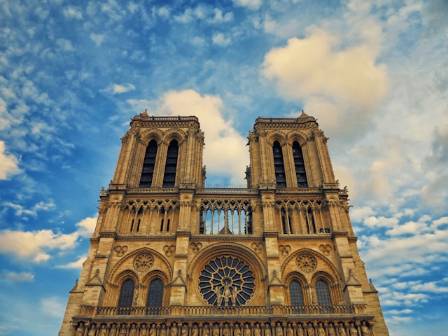
Notre Dame Cathedral is more than just a Gothic masterpiece; it is the beating heart of Paris and one of the most recognized landmarks in the world. Construction spanned nearly two centuries, from the 12th to the 14th, and its soaring towers, intricate sculptures, and stained-glass windows have inspired millions of visitors for over 850 years. Yet behind its grandeur lie surprising tales that many travelers overlook. Here are five little-known stories that reveal a different side of this legendary monument.
Hayes
Library note
Reading tip
The full chapter continues below on the soft reading shelf.
Stack
Pocket Library
Notre Dame Cathedral is more than just a Gothic masterpiece; it is the beating heart of Paris and one of the most recognized landmarks in the world. Construction spanned nearly two centuries, from the 12th to the 14th, and its soaring towers, intricate sculptures, and stained-glass windows have inspired millions of visitors for over 850 years. Yet behind its grandeur lie surprising tales that many travelers overlook. Here are five little-known stories that reveal a different side of this legendary monument.
The True Center of France
Notre Dame is not only symbolic; it is also literally the starting point of the nation. Embedded in the pavement just outside the main entrance sits a bronze and stone plaque called “point zéro des routes de France.” Installed in 1924 but based on a concept first imagined in 1769 by King Louis XV, this marker is the spot from which all road distances in France are measured. In other words, every journey begins at the doorstep of the cathedral.
The Gargoyle Illusion
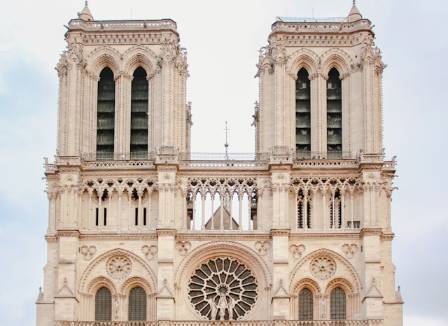
Those grimacing stone beasts peering down from the roof often spark curiosity. In reality, the authentic gargoyles were designed as rain spouts to protect the stone walls from water damage. The more theatrical monster-like figures — called chimera — are much younger. In the 19th century, architect Eugène Viollet-le-Duc introduced these eerie creatures during restoration, inspired partly by Victor Hugo’s famous novel The Hunchback of Notre Dame. The result was a blend of utility and fantasy that has since defined the cathedral’s silhouette.
Revolution and Reinvention
During the French Revolution, the cathedral was stripped of its religious identity and rebranded as “Notre-Dame de la Raison” (Our Lady of Reason). Rather than sacred rites, it hosted festivals celebrating science and Enlightenment ideals. For a short while, its vast halls even served as a wine warehouse. The building regained its sacred function in 1795 and later hosted the coronation of Napoleon Bonaparte in 1804, an event immortalized in Jacques-Louis David’s celebrated painting.
The Return of the Beheaded Kings
Revolutionaries in 1792 mistakenly decapitated 28 statues from the facade, believing them to be French monarchs when they were actually biblical kings of Judah. The heads vanished for nearly two centuries until 1977, when workers unearthed them during a courtyard renovation in Paris. Today, 22 of these rediscovered fragments are proudly displayed in the Cluny Museum, regarded as one of the most important archaeological finds in modern Paris.
A Toxic Legacy of Fire
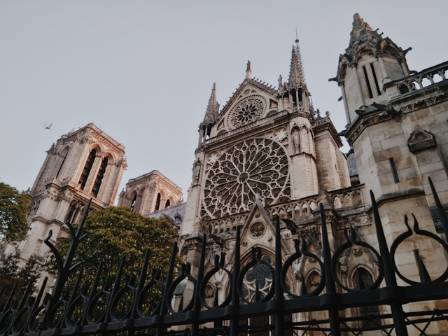
The devastating blaze of April 2019 did more than destroy the spire and much of the roof. It also released massive amounts of lead dust into the air, creating a hidden environmental hazard. With no existing guidelines for measuring outdoor lead contamination, authorities faced an unprecedented challenge. The cleanup took months, highlighting a global gap in public health standards that extended far beyond Paris.
Conclusion
Notre Dame Cathedral is not only an architectural wonder but also a keeper of centuries-old mysteries, legends, and lessons. From secret royal markers to revolutionary transformations and even environmental warnings, its history goes far deeper than its soaring towers. As the cathedral reopens, it invites the world to rediscover these stories and to see Paris’ most iconic symbol in a new light.
COVER · en

The Most Prestigious Polo Tournaments in the World & Their History
Polo’s regal legacy shines brightest in its most prestigious tournaments. These events are far more than mere games—they are grand celebrations of skill, tradition, and horsepower, attracting the world’s top players and passionate spectators alike. From sun-drenched Argentine fields to royal English grounds, each tournament tells a story of the sport’s evolution and enduring appeal. Let’s delve into the history and prestige of the top polo competitions that define this noble sport.
COVER · en
The 2025 Ranking: Top 10 Global Wealth Capitals
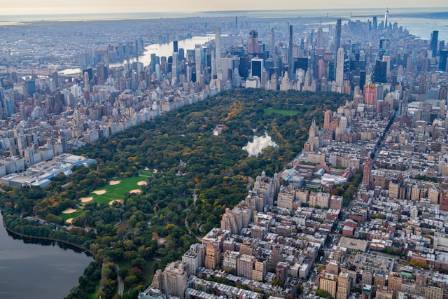
Topping the list, the "financial capital of the world" is home to over 340,000 HNWIs and holds more than $3 trillion in private wealth. Anchored by Wall Street and a relentless real estate market, its status is unassailable.
COVER · en

Four Key Features of a Healthy Forest
When we picture a healthy forest, we often imagine a dense stand of trees — but the reality is far richer. According to Rick Kuyper of the Sacramento Fish & Wildlife Office, in partnership with the U.S. Fish & Wildlife Service, successful forest ecosystems share four core elements that support resilience, biodiversity and habitat value.
COVER · en

The Most Enduring Bridge: Seven Essentials About the Golden Gate Landmark
Few structures captivate the imagination like the Golden Gate Bridge. An engineering marvel born from the hardship of the Great Depression, it has become a symbol not only of San Francisco but of American ingenuity and ambition. This refreshed look explores seven reasons why the Golden Gate Bridge remains a landmark in history, culture, and design.
COVER · en

What is a Technological Device
A technological device is any piece of equipment or tool developed using scientific principles to carry out specific tasks, boost productivity, or address problems. These devices have become a central part of everyday life, affecting how we work, communicate, and enjoy leisure activities.
COVER · en

Fascinating Facts About the World of Crabs
With thousands of identified species spanning the globe, crabs are among the most successful and intriguing crustaceans in our oceans. These animals are more than just coastal inhabitants; they are vital engineers of marine ecosystems, helping to sustain coral reefs and seafloor health. Despite their importance, they face increasing pressure from environmental changes, pollution, and habitat disruption.