Shelf read
How to Plant Water Lilies
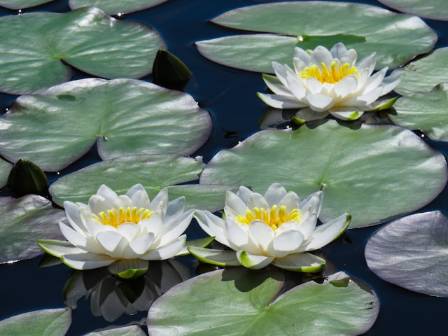
Water lilies are among the most popular aquatic plants for ponds and water gardens. Their elegant blooms appear in a variety of colors and can flower continuously throughout the summer months. Besides their ornamental appeal, water lilies provide shade for fish, help reduce algae growth, and contribute to a healthier pond ecosystem. With proper maintenance, many hardy varieties can survive through winter and return year after year.
Sophia Brown
Library note
Reading tip
The full chapter continues below on the soft reading shelf.
Stack
Pocket Library
Water lilies are among the most popular aquatic plants for ponds and water gardens. Their elegant blooms appear in a variety of colors and can flower continuously throughout the summer months. Besides their ornamental appeal, water lilies provide shade for fish, help reduce algae growth, and contribute to a healthier pond ecosystem. With proper maintenance, many hardy varieties can survive through winter and return year after year.
Materials Needed for Planting
If you are new to aquatic gardening, growing water lilies is straightforward and requires only a few basic supplies.
Water Lily Container
Select a container that suits the number of plants you wish to grow. A five-gallon pot is generally suitable for one water lily, while a nine-gallon container can accommodate two plants.
Aquatic Soil
Use specialized aquatic planting soil. Approximately 10 pounds is needed for a single water lily, while two plants typically require around 20 pounds.
Planting Media
A protective layer of aquatic planting media placed over the soil helps prevent fish from disturbing the roots while supporting beneficial bacterial growth and oxygen circulation.
Fertilizer
Aquatic fertilizer tablets provide essential nutrients and encourage strong growth and abundant flowering throughout the season.
Hardy Water Lilies
Choose healthy hardy varieties appropriate for your climate. Most are supplied as bare-root plants to encourage successful establishment.
Gravel or Decorative Pebbles
Although optional, gravel or pebbles can be placed over the planting media to improve appearance and help conceal the container within the pond.
Before your water lily arrives, it is recommended to have all planting supplies prepared. Also, check your local hardiness zone to ensure the selected variety is suitable for your region. Most hardy water lilies perform well in zones 4 through 11.
Six Steps for Planting Water Lilies
Once you have gathered all necessary materials, follow these steps to establish your water lily.
Fill the Pot with Soil
Add aquatic planting soil until the container is approximately three-quarters full.
Position the Water Lily
Place the tuber horizontally within the soil. The root end should be close to the side of the container, while the growing tip should face upward and remain slightly exposed above the soil surface.
Add a Protective Layer
Cover the soil with aquatic planting media. This helps keep the soil in place and protects the developing roots. Gravel or small pebbles may also be used if planting media is unavailable.
Submerge the Container
Water the pot thoroughly before placing it in the pond. Slowly lower the container into the water, ensuring that three to six inches of water remain above the growing tip.
Apply Fertilizer
Insert one or two fertilizer tablets into the soil every two to four weeks to support healthy growth and blooming.
Move to a Deeper Location
As the plant matures and its leaves reach the water surface, relocate the container to a deeper section of the pond.
Seasonal Water Lily Maintenance
Although water lilies are relatively low-maintenance plants, seasonal care helps keep them vigorous and attractive.
Spring Care
Monitor plant growth during spring. Water lilies usually benefit from division every two or three years. Signs that division is needed include reduced flowering or containers becoming overcrowded.
To divide a water lily:
Remove the container from the pond and carefully lift out the tuber.
Wash away excess soil and trim off dead foliage and excess roots.
Identify the growth buds where new shoots will emerge.
Cut the tuber into sections, ensuring each piece is approximately three to four inches long and contains at least one healthy bud.
Plant each division in a separate container following the standard planting process and return them to the pond.
Summer Care
Continue feeding your water lilies throughout the growing season. Apply one or two fertilizer tablets every two to four weeks to encourage lush foliage and continuous flowering.
Winter Care
Winter preparation depends on your local climate conditions.
In regions where ponds do not freeze, you can continue basic maintenance and occasional fertilization throughout the cooler months.
In areas that experience frost or ice, follow these steps:
After the first frost, remove any remaining foliage from the plant.
Move the container to the deepest section of the pond.
Allow the plant to enter dormancy naturally during winter.
Growth will resume when temperatures rise again in spring.
Final Thoughts
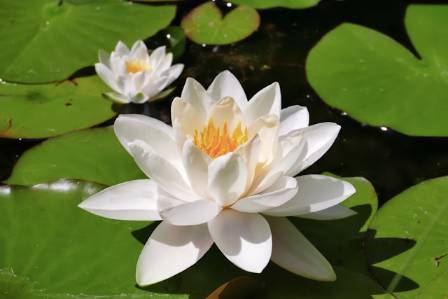
Water lilies are an excellent addition to any pond or water garden, offering both visual beauty and ecological benefits. With proper planting techniques and simple seasonal care, these aquatic plants can thrive for many years. By following the guidelines above, you can enjoy healthy foliage and vibrant blooms throughout the growing season while maintaining a balanced and attractive pond environment.
COVER · en

Cream Bedroom Ideas for a Restful Sleep
There’s something undeniably stunning about a cream-toned bedroom. When every surface—walls, flooring, upholstery, bedding, curtains or blinds, wardrobes, and furniture—stays within a soft neutral palette, the space becomes a peaceful sanctuary. A cream bedroom feels soothing, light on the eyes, and naturally easy to unwind in. By blending warm cream shades with layered textures and soft tonal variations, you can create a refined and balanced bedroom design that remains stylish year after year.
COVER · en
Planting Succulents in 7 Simple Steps for Beginners
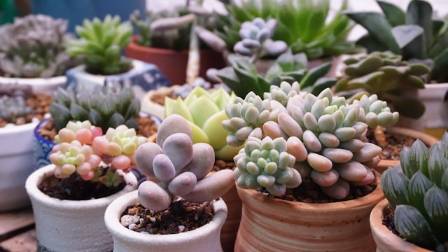
Starting a succulent garden can feel a bit overwhelming at first, but it is actually quite straightforward once you break it into simple steps. You begin by collecting the right supplies, then move on to understanding your local climate and light conditions, and finally prepare soil, arrange plants, and maintain them properly. Once these foundations are in place, succulents are generally low-effort and highly rewarding plants to grow.
COVER · en

Watercolor Guide: Capturing a Lakeside Sunset
This tutorial is designed to walk you through the creation of a serene evening lake scene. The best approach for a comprehensive lesson like this is to review the entire process once to understand the workflow, then follow along a second time as you begin your own piece. You can revisit specific sections as often as necessary to refine your technique and gradually master the intricacies of the watercolor medium.
COVER · en

10 Remarkable Architectural Wonders Around the World
Great architecture can transform a city and leave a lasting impression on everyone who sees it. Behind every iconic structure are architects and engineers who combine creativity, technology, and precision to turn bold ideas into reality.
COVER · en

The biggest sports stadiums in the world
Introduction Sports fans, we have a treat for you. We've put together a list of the biggest sports stadiums in the world. The list includes everything from soccer stadiums to rugby grounds, so you're sure to find something that will get your blood pumping!
COVER · en

Sheep in nature
Wild sheep species can be found in many parts of the world, and they share a number of physical features that help them survive in challenging environments.