Shelf read
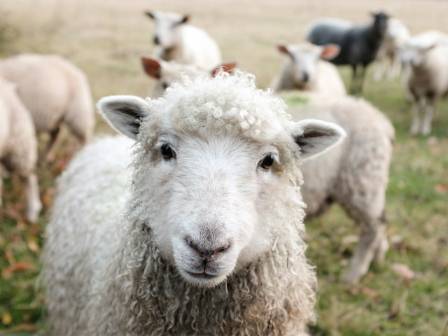
Sheep in nature
Wild sheep species can be found in many parts of the world, and they share a number of physical features that help them survive in challenging environments.
Cael Donovan
Library note
Reading tip
The full chapter continues below on the soft reading shelf.
Stack
Pocket Library
Wild sheep species can be found in many parts of the world, and they share a number of physical features that help them survive in challenging environments.
Most wild sheep are tough, well-adapted animals with a combination of hair and wool that provides insulation in cold conditions. Many species also have impressive horns that curve outward or backward from the sides of the head. Rams use these horns when competing with rivals and establishing dominance.
Sheep horns are composed of keratin, the same structural protein found in human hair and fingernails, rhinoceros horns, and the hooves of many other animals. The growth rings on a sheep's horns can also provide an approximate indication of its age, much like the rings found in the trunk of a tree.
All sheep are even-toed ungulates, meaning that each hoof is divided into two separate toes. This is a feature they share with goats and cattle, as well as animals such as camels, antelopes, and giraffes.
There are now more than 10,000 recognized sheep breeds, many of which have been developed through selective breeding for particular characteristics. Domestic sheep, for example, have generally been bred to produce more wool and less hair. Compared with their leaner and more goat-like wild relatives, many modern breeds are also smaller and more rounded in body shape.
Where Do Sheep Live?
Sheep are naturally suited to highland environments and harsh climates. Their physical adaptations allow them to survive in places where many other mammals would have difficulty living.
Wild sheep are commonly found across the Middle East, Asia, Central Europe, and North America, particularly in rugged mountainous regions. Some species can survive on cold, dry mountains at elevations reaching around 1,200 meters, while certain sheep, including Urials, are capable of living at even greater heights.
Both wild and domestic sheep are remarkably capable of dealing with high elevations and severe weather conditions.
Humans quickly discovered that sheep's strong tendency to remain together in flocks made them relatively easy to manage and domesticate. Sheep are thought to have been the second animal domesticated by humans, following dogs not long afterward.
Since domestication, sheep have been raised around the world primarily for their wool and meat. As a result, domestic sheep can now be found in an enormous variety of climates and environments.
What Do Sheep Eat?
Sheep are ruminants, meaning that their digestive systems contain multiple stomach chambers. They share this adaptation with animals such as cattle, deer, and gazelles.
Their specialized digestive system allows them to obtain nutrients from plant material by fermenting it before the food is fully digested. This ability is particularly useful because sheep are herbivores and depend entirely on vegetation.
Their natural diet consists mainly of plants, grasses, and seeds. When nutritious, soft grass is readily available, most sheep prefer to feed on it. However, they can also survive successfully by eating tougher shrubs and bushes when better food sources are scarce.
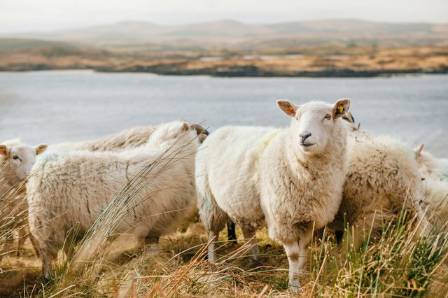
Family Life and Social Structure
Sheep typically live for around 10–12 years. However, the point at which domestic sheep are no longer considered commercially productive comes roughly five years earlier. Consequently, many farmed sheep are slaughtered at around half of their potential natural lifespan.
Wild sheep face a different collection of challenges. Predators, habitat loss, and hunting can all reduce their chances of survival, and several wild sheep subspecies have consequently been classified as endangered.
For most sheep species, the breeding season occurs during autumn. At this time, rams become highly competitive, and males may fight one another for hours to gain mating opportunities. Only males capable of defeating or driving away their competitors successfully gain access to females.
Ewes remain pregnant for approximately five months before giving birth in early spring. A wild ewe generally produces a single lamb, although twins can occasionally be successfully raised.
Because sheep are prey animals, newborn lambs need to become mobile very quickly. They are therefore capable of standing and walking shortly after birth, giving them a better chance of escaping predators.
Lambs are generally weaned at around five to six months of age, although farmed animals may be weaned considerably earlier. Young males eventually leave their mothers and join bachelor groups made up of other rams. Within these groups, males establish and continually negotiate dominance.
Female offspring generally remain with their mothers in nursery groups. Ewes and their female young can remain together for much of their lives.
Regardless of sex, sheep have an extremely strong flocking instinct. Staying together is one of their most important defenses against predators. The instinct is so powerful that an isolated sheep can become highly distressed and may even follow members of its flock into dangerous situations rather than remain alone.
Are Sheep Really Stupid?
Sheep have developed a reputation for being unintelligent, largely because they tend to follow one another and can sometimes appear to act without much individual thought.
However, flocking is actually a widespread and highly effective survival strategy among mammals. Staying together provides protection against predators, and there is a good evolutionary reason why many animals rely on the principle of safety in numbers.
Scientific testing has also shown that sheep are considerably more intelligent than their traditional reputation suggests. Their cognitive abilities can compare favorably with those of many other mammals.
One particularly impressive ability is facial recognition. Sheep can distinguish the faces and calls of individual members of a large flock, and research has shown that they can also remember the faces of approximately 50 different humans for as long as two years.
Sheep also demonstrate strong spatial abilities. In some experiments involving spatial puzzles, they have performed at levels comparable to primates.
Like several other intelligent mammals, sheep can also seek out plants that may provide specific benefits. For example, they have been observed consuming willow bark, which contains naturally occurring compounds with pain-relieving properties.
Helping Rescued Sheep
Supporting animal sanctuaries can provide rescued sheep with a safe environment after they have been removed from farming or other difficult circumstances. Adoption programs are one way for people to contribute to their care while learning more about these intelligent and highly social animals.
COVER · en

Chinese Folk Clay Art Guide
Chinese folk clay sculpture—often referred to as clay figurine art—is a handcrafted sculptural tradition grounded in everyday experience. Created from natural clay through shaping by hand, carving, and gradual drying, and sometimes strengthened through high-temperature firing, these works preserve impressions of daily life, local traditions, and collective memory.
COVER · en

10 Ways to Master Urban Fashion
Urban fashion is one of the most versatile styles, effortlessly combining comfort with trendiness. Once considered fringe, streetwear has now become a staple in mainstream fashion, with many high-end designers incorporating street-inspired looks into their collections.
COVER · en

The sika deer : A fascinating species native to East Asia
The sika deer (Cervus nippon) is a medium-sized deer native to much of East Asia, including Japan, Taiwan, eastern China, Korea, and parts of Russia. Although their original distribution has decreased in some areas, sika deer have been introduced to numerous regions around the world, including Europe, Australia, New Zealand, and the United States.
COVER · en

Canton Tower is Now the Tallest Tower in China
We have already discussed the Oriental Pearl Tower, which remained China’s tallest tower until 2007. So which structure took its place? That distinction went to the Canton Tower.
COVER · en

Red Rock Canyon
One of the most spectacular destinations in southern Nevada, Red Rock Canyon attracts both local residents and travelers from around the world. Known for its dramatic red cliffs, towering sandstone formations, and ancient Native American rock art, this breathtaking desert landscape welcomes nearly two million visitors every year.
COVER · en

The Downsides of Consuming Soft Drinks
Soft drinks are a staple in many diets, especially in the United States, where annual consumption exceeds 13 billion gallons. These beverages often include ingredients like carbonated water, sweeteners (such as sugar or high-fructose corn syrup), various acids, sodium, and a significant amount of calories. While they may be popular for their taste and convenience, soft drinks come with a host of health drawbacks—particularly when consumed regularly in place of more beneficial fluids like water or herbal teas.