PL
pipilandbook.com
Five Of The Most Resilient Seaside Plants

Shelf read

Five Of The Most Resilient Seaside Plants

The coastal environment—characterized by salt-saturated winds, sandy substrates, and unstable terrain—creates exceptionally demanding conditions for plant survival. Yet a selection of resilient species not only endure these challenges but flourish within them. As more people explore Britain's coastline, it's an ideal opportunity to appreciate the remarkable vegetation thriving at the water's edge. What botanical treasures might you discover during your next seaside visit?

A

Anthony Robinson

Library note

Reading tip

The full chapter continues below on the soft reading shelf.

Stack

Pocket Library

The coastal environment—characterized by salt-saturated winds, sandy substrates, and unstable terrain—creates exceptionally demanding conditions for plant survival. Yet a selection of resilient species not only endure these challenges but flourish within them. As more people explore Britain's coastline, it's an ideal opportunity to appreciate the remarkable vegetation thriving at the water's edge. What botanical treasures might you discover during your next seaside visit?

Coastal Grasses

The UK's shoreline is famously lined with gracefully swaying grasses that stabilize the dynamic landscape.
Marram Grass (Ammophila arenaria) forms dense, spiky clusters with sharp green leaves and plays a vital role in dune formation. Its extensive root network binds sand particles, enabling dunes to expand and eventually support other plant species. The grass survives dehydration through specially adapted rolled leaves that minimize moisture loss.
Pampas Grass (Cortaderia selloana) displays lush, feathery plumes that tolerate drought, strong winds, and salt spray. Its substantial silvery flower heads are frequently harvested for dried decorative arrangements.

Coastal Conifers

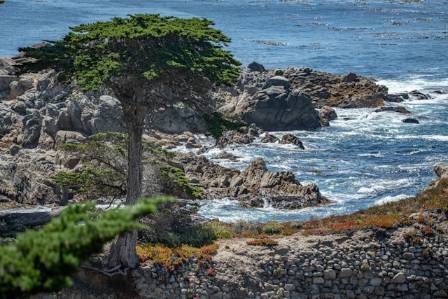
Several pine species demonstrate exceptional resilience to coastal conditions, frequently appearing in seaside woodlands.
European Black Pine (Pinus nigra), indigenous to central and southern European coasts, withstands temperature extremes, salt exposure, drought, and heavy snowfall.
Stone Pine (Pinus pinea), sometimes called umbrella pine, originates from Mediterranean regions where it adapts readily to sandy soils. While capable of growing in Britain, it achieves optimal development in warmer climates like Portugal and Italy. This species produces edible pine nuts—the seeds extracted from its cones that are essential to pesto sauce. Their lengthy maturation process (18-36 months) explains their premium market price.

Coastal Shrubs

Common Gorse (Ulex europaeus), a member of the pea family, dominates heathlands and coastal grasslands with its needle-like foliage and vibrant yellow blossoms. Often seen clothing cliffs and rocky outcrops, its flowers emit a distinctive coconut-like fragrance when approached closely. The shrub provides crucial habitat and nourishment for bird species including yellowhammers and stonechats. Historically, gorse served multiple purposes as fuel for baking, livestock feed, and material for chimney brushes.

Marine Algae

Beachcombers regularly encounter seaweed deposited by tidal movements. Technically classified as algae rather than plants, approximately 700 seaweed species inhabit UK coastal waters. Unlike terrestrial vegetation, they absorb water and nutrients directly through their surface tissues rather than through root systems. Several varieties are edible and nutrient-rich, particularly as iodine sources, and are utilized in health products, skincare, and culinary applications. Agar agar, a gelatinous substance derived from seaweed, serves as vegetarian gelatin and features prominently in Japanese dishes like sushi and miso soup.

Coastal Wildflowers

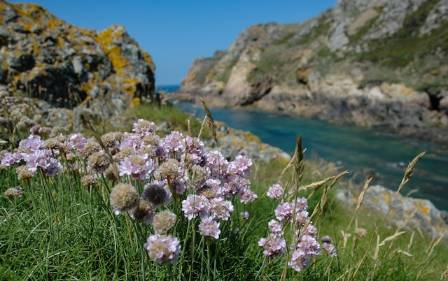
Sea Thrift (Armeria maritima), also known as sea pink or rock rose, forms low-growing mounds along cliffs, shorelines, and salt marshes. Its white, purple, and pink blossoms flourish in nutrient-poor sandy soil while tolerating salty air. The nectar-rich flowers attract numerous pollinators, making them valuable additions to rock gardens and gravel landscapes.
Sea Kale (Crambe maritima), native to UK and European coastlines, inhabits shingle beaches primarily along England's southern coast, with additional populations in East Anglia, Wales, and Scotland. This perennial features substantial waxy leaves and produces fragrant white flower clusters in early summer. While its young stems are edible when steamed, the species has experienced population declines due to coastal development and degradation of its shingle beach habitats.
 

More on this shelf

CV

COVER · en

What is a Technological Device

What is a Technological Device

A technological device is any piece of equipment or tool developed using scientific principles to carry out specific tasks, boost productivity, or address problems. These devices have become a central part of everyday life, affecting how we work, communicate, and enjoy leisure activities.

CV

COVER · en

Red Rock Canyon

Red Rock Canyon

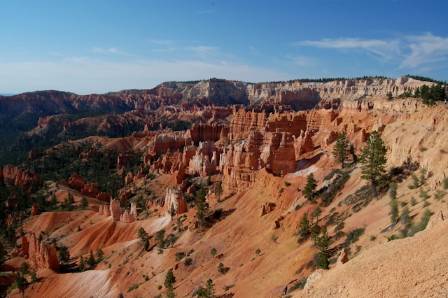
One of the most spectacular destinations in southern Nevada, Red Rock Canyon attracts both local residents and travelers from around the world. Known for its dramatic red cliffs, towering sandstone formations, and ancient Native American rock art, this breathtaking desert landscape welcomes nearly two million visitors every year.

CV

COVER · en

Canton Tower: The highest tower in China

Canton Tower: The highest tower in China

Canton Tower, also known as the Guangzhou New TV Tower and affectionately nicknamed the “Slim Lady,” is one of Guangzhou’s most recognizable landmarks. It stands near Chigang Tower in Haizhu District on Yizhou Island, about 125 meters from the southern bank of the Pearl River and the Pearl River New Town. Across the river are Huacheng Square and Haixinsha Island.

CV

COVER · en

The Remarkable Impact of Indoor Plants on Psychological Wellness

The Remarkable Impact of Indoor Plants on Psychological Wellness

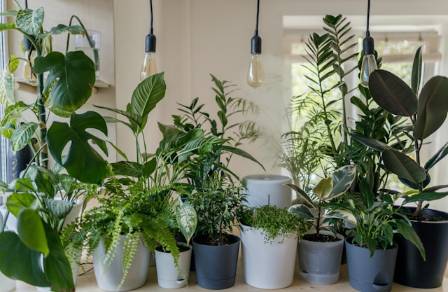
Cultivating a private collection of indoor greenery serves as an accessible and highly effective strategy for elevating daily psychological health. A vast body of scientific literature confirms that integrating living flora into residential and occupational environments yields profound psychological rewards, including a measurable decline in tension, a heightened sense of joy, sharpened mental clarity, and a mitigation of anxious feelings. Rather than acting as mere aesthetic ornamentation, these living organisms function essentially as a natural support system for human neurological wellness.

CV

COVER · en

13 Dreamy Beaches for Sunset Lovers

13 Dreamy Beaches for Sunset Lovers

Sunset-seekers around the globe chase the perfect horizon: that glowing moment when day meets night, sky meets sea. From tranquil coral islands to northern cliff-edges under the midnight sun, these 13 destinations stand out for their unforgettable end-of-day views.

CV

COVER · en

Beyond Pad Thai: 10 Hidden Gems of Thai Gastronomy

Beyond Pad Thai: 10 Hidden Gems of Thai Gastronomy

Thai cuisine is celebrated worldwide, yet many travelers rarely venture beyond the standard tourist favorites. For those with an adventurous palate, Thailand offers a complex landscape of flavors that balance sweetness, acidity, saltiness, and intense heat. To truly experience the depth of this culinary tradition, one must look toward regional specialties, street-side delicacies, and traditional home-style cooking.