Shelf read
The Versatile World of Box Robots: Design, Engineering, and Practical Uses
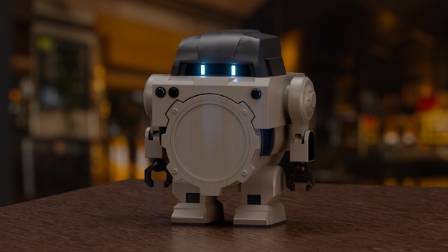
Box robots, characterized by their distinct television-like or cubic chassis, represent one of the most versatile platforms in modern robotics. Combining a structural foundation—the "box"—with modular electronics, these machines bridge the gap between simple DIY crafts and sophisticated industrial tools. Their geometric stability and internal volume make them ideal for housing complex sensors and processors, serving as a primary gateway for STEM education and rapid prototyping.
Victor Julian Ashford
Library note
Reading tip
The full chapter continues below on the soft reading shelf.
Stack
Pocket Library
Box robots, characterized by their distinct television-like or cubic chassis, represent one of the most versatile platforms in modern robotics. Combining a structural foundation—the "box"—with modular electronics, these machines bridge the gap between simple DIY crafts and sophisticated industrial tools. Their geometric stability and internal volume make them ideal for housing complex sensors and processors, serving as a primary gateway for STEM education and rapid prototyping.
Classification of Box Robots by Material and Purpose
The functionality of a cubic robot is largely defined by its construction material. Different grades of "box" bodies allow these machines to scale from living-room toys to competitive engineering platforms.
-
Cardboard "Art-Bots": Utilizing recycled containers and craft supplies, these are the entry point for young learners. They prioritize creativity and basic mechanical concepts, though they lack the durability for long-term or outdoor use.
-
Polymer and Plastic Chassis: Often found in prefabricated kits, these robots use high-impact plastics like ABS. They are highly durable, moisture-resistant, and designed to house standardized electronic modules, making them the standard for middle-school robotics labs.
-
Mechanical Wood and Metal Frameworks: For high-school and collegiate engineering, box robots often feature reinforced frames. These provide the structural integrity required for heavy payloads, high-speed motors, and complex automation via microcontrollers like Arduino or Raspberry Pi.
-
Custom Integrated Units: These are task-specific machines optimized for challenges such as combat robotics or autonomous maze-solving. They often utilize mixed materials to achieve a perfect balance between weight and defense.
Engineering the Cubic Form: Key Design Principles
Designing a television-shaped or boxy robot involves more than just aesthetics; it is a multidisciplinary effort that balances center of gravity, internal airflow, and user interaction.
Aesthetic Appeal and User Interface
The "face" of a box robot is often its most engaging feature. Designers use the flat front surface of the cube to house LED screens, expressive facial stickers, or interactive touchpads. For younger users, a friendly, non-threatening appearance encourages emotional engagement, while futuristic, sleek designs appeal to older tech enthusiasts.
Functional Interactivity
The cubic volume provides ample space for "gut" components. Advanced models integrate ultrasonic sensors for obstacle detection, infrared arrays for line following, and speakers for voice feedback. The boxy shape is particularly efficient for mounting modular "arms" or "flippers" on the flat side panels, allowing the robot to interact with its physical environment through grasping or pushing.
Sustainability and Durability
Modern design focuses on "disassembly for reuse." High-quality box robots feature reinforced joints and shock-absorbing corners to survive impacts. Increasingly, manufacturers are adopting eco-friendly materials, such as biodegradable resins or sustainably sourced plywood, aligning the robotics industry with global environmental standards.

Real-World Applications: From Classrooms to Therapy
The "TV-shaped" robot is a familiar silhouette across various professional and social sectors due to its approachable and functional nature.
-
STEM Education: These robots turn abstract coding into tangible movement. By troubleshooting a robot’s failure to navigate a corner, students learn logic and iterative design.
-
Makerspaces and Community Hubs: The affordability of box-style platforms ensures that digital literacy remains accessible. Makerspaces often host "Build Nights," where community members collaborate on custom modifications.
-
Competitive Robotics: In arenas like the FIRST LEGO League or VEX challenges, the boxy chassis is prized for its predictable physics and ease of mounting attachments.
-
Therapeutic Support: In clinical settings, the predictable and non-judgmental interaction provided by a robot can be highly effective for children with neurodiverse needs, such as ASD or ADHD. The robot serves as a "social bridge," helping users practice eye contact, turn-taking, and emotional recognition.
Technical Specifications and Best Practices for Maintenance
To maintain peak performance, box robots require a systematic approach to hardware care and software updates.
Core Specifications
-
Chassis: ABS Plastic or Aluminum composite for structural rigidity.
-
Power: 6V to 12V systems, typically utilizing Lithium-ion or NiMH battery packs.
-
Control: Microcontroller platforms (e.g., ESP32, Raspberry Pi) using Python or C++.
-
Navigation: A combination of I2C-connected sensors (Ultrasonic, Gyroscopes, Accelerometers).
Routine Maintenance and Longevity
-
Visual and Mechanical Inspection: Periodically check for stress fractures in the chassis and ensure all fasteners are tight.
-
Electrical Integrity: Inspect wiring for signs of wear or loose solder joints. Use anti-static protocols when handling internal circuitry.
-
Sensor Calibration: Dust and environmental changes can affect sensor accuracy. Regularly clean lenses with a dry cloth and recalibrate the software "zero-points."
-
Storage: Store in a temperature-controlled environment. If the robot will be inactive for more than 30 days, remove the batteries to prevent leakage or deep-discharge damage.
Frequently Asked Questions
Why are box robots preferred in schools?
Their geometric simplicity makes them easy to build, and their flat surfaces are ideal for mounting various sensors without complex mounting brackets, making them cost-effective and highly adaptable for different grade levels.
Can these robots operate in outdoor environments?
Only if the chassis is made of weather-resistant materials like treated plastic or metal. Cardboard models will degrade instantly in humidity or rain. For outdoor use, ensure motors and battery compartments are sealed.
How do box robots encourage original thinking?
The "open-ended" nature of the box allows it to be anything. A student can turn a box robot into a delivery vehicle, a musical instrument, or a simulated space rover by simply changing the attachments and the code.
By adhering to these engineering standards and maintenance routines, the box robot evolves from a simple toy into a robust platform for lifelong learning and technical innovation.
COVER · en

Sunset Cliffs Caves
The article is a detailed guide to visiting a set of sea caves along the Sunset Cliffs coast near Point Loma / San Diego. The author shares personal experience, accessible directions, safety tips, and best-timing for exploring the main “open ceiling” cave.
COVER · en

Top 10 Citrus Desserts to Brighten Winter
Winter’s chill pairs perfectly with the bright, sweet-tart flavors of citrus desserts, especially since seasonal varieties like Meyer lemons and blood oranges are only available through early spring. Below are the top 10 picks from the 20-recipe roundup, each bringing a vibrant burst of citrus to your table:
COVER · en

Shanhaiguan: The First Pass Under Heaven
Shanhaiguan, historically revered as the "First Pass Under Heaven," stands as the eastern terminus of the Ming Dynasty Great Wall. Strategically positioned where the mountains meet the Bohai Sea, its most iconic feature—Laolongtou ("Old Dragon’s Head")—marks the precise point where the Great Wall plunges into the Pacific Ocean.
COVER · en

Beachcombing & Seashells
The Turks and Caicos Islands are surrounded by a remarkable marine ecosystem filled with colorful coral reefs, clear waters, and abundant sea life. Because of this rich underwater environment, visitors can discover a wide range of beautiful seashells along the islands’ beaches and shorelines. Many tropical Atlantic shell species found throughout the Caribbean and Gulf of Mexico can also be seen here.
COVER · en

Essential Facts and Unique Behaviors of Global Seabirds
The classification of avian species near the ocean—often categorized as seabirds, shorebirds, or waterbirds—can be quite fluid. For the purpose of understanding these remarkable creatures, we use the term "seabird" as a broad category to explore the fascinating biological adaptations and lifestyles that allow them to thrive in maritime environments.
COVER · en

Ultimate Feng Shui Flower Selection Guide for Chinese New Year Home Decoration
The Spring Festival, commonly referred to as Chinese New Year, is a cherished occasion for welcoming new beginnings, abundant blessings and positive vital energy. As households prepare their living spaces for the upcoming lunar year, festive decorations are carefully selected not merely for their eye-catching aesthetic, but more importantly for their profound cultural and symbolic connotations.