Shelf read
The Secret Angle: Why That "Deadrise" Number Matters More Than Cupholders
Walk the floor of any boat show, and you’ll hear a familiar script. A buyer, trying to sound savvy, asks, “How much deadrise does she have?” The salesperson fires back, “Twenty degrees,” referring to the transom, and then—thankful to pivot to safer ground—immediately pivots: “Now, let’s talk about these stainless-steel cupholders.”
Lucas Brown
Library note
Reading tip
The full chapter continues below on the soft reading shelf.
Stack
Pocket Library
What Exactly Is Deadrise?
The Physics of the "V"
Variable Deadrise: The Magic is in the Taper
-
The Bow (Deep V): Up front, you want a sharp angle—say, 45 degrees. This acts like a knife, slicing through waves rather than smashing into them. It prevents the punishing "pounding" that makes passengers regret their life choices.
-
The Stern (Shallow V): At the back, you want a shallower angle—around 20 degrees. If the back were as sharp as the front, the boat would struggle to get on plane and would roll like a log in a washing machine. A moderate angle aft provides the lift needed to fly across the water and, crucially, keeps the boat tracking straight.
Speed Dictates Design
-
The Slow Cruiser (20-35 knots): Needs about 20 degrees of deadrise at the transom. This provides enough lift to stay on plane without excessive rolling. It’s the sweet spot for stability and efficiency.
-
The Go-Fast (100+ mph): These boats are airborne more than they are in the water. When they land, they land hard on the stern. To absorb that impact and prevent the hull from disintegrating, they need extreme deadrise—often 24 or 25 degrees—at the transom.
The Downsea Nightmare
Trim: The Battle Against the Bow
Deadrise vs. The Keel: A Safety Story
The Bottom Line
COVER · en
Constructing a Miniature Felt Home: A Comprehensive Guide for Beginners
Since being inspired by the whimsical charm of fantasy literature, I have developed a deep appreciation for unique and quirky architectural designs. One of the best ways to bring these visions to life is through the medium of felt.
COVER · en
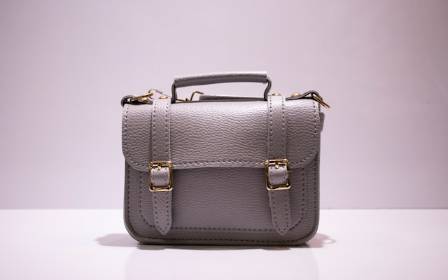
Purse Styles for Every Occasion
No matter how carefully you put together your wardrobe, the handbag you choose can completely transform your overall appearance. Whether you are heading out for daily errands, attending a professional meeting, or dressing up for a special occasion, the right bag can elevate your outfit and complete your style.
COVER · en

The World’s Finest 7 Macaron Destinations
Macarons, those delicate French meringue-based sandwich confections, have charmed dessert lovers across the globe. Known for their crisp shell, soft center, and signature “foot,” these airy almond flour cookies come in countless shades and flavors, from timeless chocolate to floral rose or tangy passion fruit. Though often mistaken for macaroons—the chewy coconut sweets—macarons are a completely different treat. Crafted from whipped egg whites, almond flour, and sugar, these gluten-free delights are as beautiful as they are flavorful. Below, we highlight seven top-tier patisseries from around the world that have redefined the art of the macaron.
COVER · en
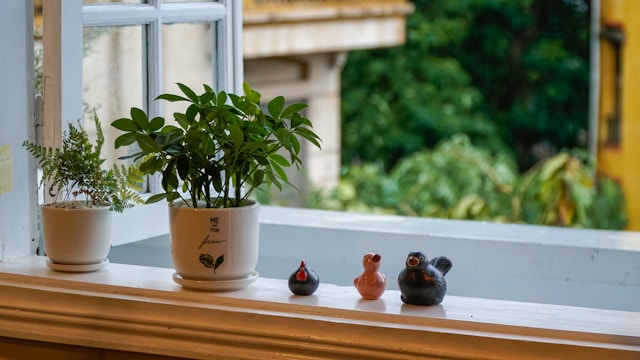
Best Plants You Can Grow on Your Windowsill
Cultivating plants on your windowsill is a simple way to brighten your home, purify the air, and even enhance your meals. Whether you’re an experienced gardener or just starting out, windowsill gardening allows you to enjoy a little greenery indoors.
COVER · en
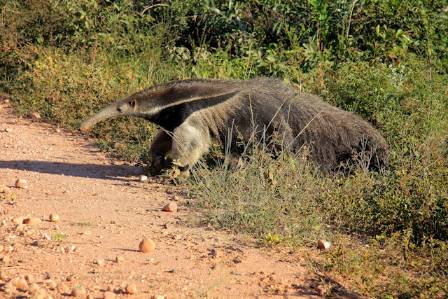
How Long Is a Tamandua’s Tongue?
Tamanduas, also known as lesser anteaters, are smaller relatives of the giant anteater. They inhabit a wide range of environments, including tropical forests, scrublands, grasslands, and wetlands, and they are frequently found close to rivers and streams.
COVER · en
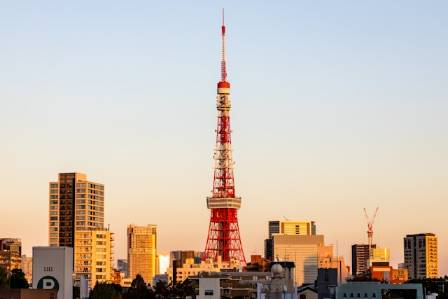
Guide to the Tokyo Tower Area and Nearby Things to Do
Completed in 1958, Tokyo Tower rises to a height of 333 meters and stands as a lasting emblem of Japan’s recovery and renewal after World War II. At the time it was finished, it held the title of the tallest tower in the world, even exceeding its inspiration, the Eiffel Tower. Around 220,000 workers contributed to its construction, which was completed in roughly 18 months, much of it carried out using manual labor.