Shelf read
Beyond the Needle: History of Vinyl Records
Music lovers and history enthusiasts, today we are bringing these two fascinating worlds together by exploring the story behind one of the most iconic music formats ever created: the vinyl record.
Daisy Monroe
Library note
Reading tip
The full chapter continues below on the soft reading shelf.
Stack
Pocket Library
Music lovers and history enthusiasts, today we are bringing these two fascinating worlds together by exploring the story behind one of the most iconic music formats ever created: the vinyl record.
Record players are far more than nostalgic decorations or collectibles found in the homes of vintage fans. They were the original personal music devices, allowing people to choose and enjoy their favorite songs whenever they wanted. Before records and turntables became common, listeners were limited mostly to whatever happened to be playing on the radio. Vinyl changed that experience forever by giving people direct control over their music choices.
To truly understand the impact of vinyl, it is worth exploring how this remarkable technology developed and why it continues to hold a special place in music culture today.
What Is Vinyl?
When people refer to records as “vinyl,” they are actually describing the material used to manufacture them. Much like calling a wooden table “wood,” vinyl is simply the substance that makes up the record itself.
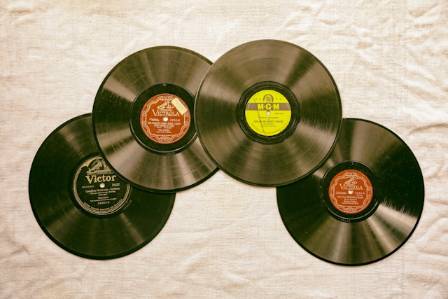
Before vinyl became the standard material, records were made from shellac, and even earlier sound recordings used large cylindrical formats made from materials such as zinc and glass.
Vinyl is a type of synthetic plastic known as polyvinyl chloride, or PVC. It is created using ethylene, which comes from crude oil, along with chlorine. Its development was part of the major expansion of synthetic materials during the early 20th century, when scientists began creating plastics that could replace traditional materials like wood, metal, glass, and leather.
A fascinating detail about PVC is that the same material can be used to create both everyday products like pipes and music records. However, that does not mean old vinyl collections should be used for plumbing projects.
Although vinyl technology existed earlier, it did not become widely popular until the late 1940s, when engineer Peter Goldmark helped introduce the modern vinyl record format.
Goodbye Shellac, Welcome Vinyl
In 1948, with support from Columbia Records, the first commercially successful vinyl record was introduced using the now-famous 33 1/3 revolutions per minute speed. Thanks to its microgroove design and flexible plastic material, a 12-inch record could hold around 21 minutes of music on each side.
Compared with previous formats, this was a revolutionary improvement. Just a year earlier, in 1947, most listeners were still using 78 rpm shellac records, which usually contained only one short song per side. Moving from a format that held only a few minutes of music to one capable of storing an entire album completely transformed the listening experience.
Shellac itself came from a natural resin produced by the female lac insect. These insects create a substance called lac on tree branches, which is collected, processed, and shaped into records. Because shellac resisted moisture, it became known as a natural plastic and was widely used for early records. However, it had a major weakness: it was extremely fragile and could easily break if dropped.
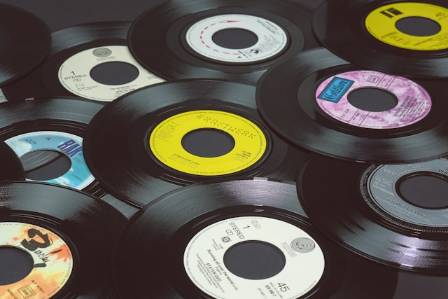
The Battle of Record Speeds: From 78 RPM to 33 1/3 RPM
The introduction of vinyl records created a major competition within the music industry known as the “War of Speeds.” During this period, three main playback speeds became standard: 78 rpm, 45 rpm, and 33 1/3 rpm.
78 RPM
The 78 rpm format was the traditional speed used for shellac records. Its speed was not randomly chosen; it was based on the machinery available at the time. Large motors operating at approximately 3600 rpm combined with specific gear systems resulted in a playback speed of about 78 revolutions per minute.
After long-playing records became popular, 78 rpm records were mostly limited to older classical recordings. Production of new 78 rpm records eventually ended in the United States after several years.
45 RPM
Shortly after the introduction of the 33 rpm record, RCA Victor released the 45 rpm seven-inch record as a competitor to Columbia’s format.
The 45 rpm record became popular for singles and shorter releases. Although it typically held only four to five minutes of music per side, its smaller size made it convenient, portable, and easy to collect.
Because of their compact design, 45 rpm records also helped inspire the development of portable music players, allowing listeners to enjoy their favorite songs beyond the home.
33 1/3 RPM
The 33 1/3 rpm long-playing record, commonly known as the LP, eventually became the dominant vinyl format. While 45 rpm records remained popular for singles, LPs became the preferred choice for complete albums.
Today, LP records continue to be collected and appreciated as a connection to the past. Many listeners enjoy their warm, distinctive sound, even though modern digital formats can provide technically cleaner audio.
Most modern record players still include speed settings for 33, 45, and sometimes 78 rpm records. However, original 78 rpm records are now rare because many were made from fragile shellac and require careful storage.
1979: The Rise of Portable Music and the Decline of Vinyl
In 1979, Sony co-founder Masaru Ibuka helped introduce a device that would completely change how people experienced music: the Sony Walkman.
The Walkman transformed music listening by making it portable. Using cassette tape technology, people could carry their favorite music anywhere with just a tape and batteries. Music was no longer limited to the living room or a turntable at home. Listeners could enjoy songs while traveling, walking, studying, or spending time outdoors.
Within a few years of its release, cassette tapes began outselling vinyl records. Eventually, vinyl sales dropped dramatically as consumers moved toward more convenient formats.
The Decline of Vinyl Records — Or Not?
After the arrival of portable music technology, vinyl seemed destined to disappear.
Portable CD players became the next major innovation during the 1980s. CDs offered clearer sound, smaller size, and greater convenience. They also allowed people to create personal music collections more easily.
Then came the iPod in 2001, which changed the industry once again. Digital storage allowed users to carry thousands of songs, organize playlists, and choose exactly what they wanted to hear at any moment.
Streaming services later pushed music accessibility even further. Platforms that allowed instant access to millions of songs changed the way people purchased and consumed music.
Compared with these technologies, vinyl appeared outdated. It required physical storage, needed to be turned over halfway through an album, and lacked the technical precision of digital formats.
For a time, it seemed like the end of vinyl records.
The Vinyl Revival
Despite predictions of its disappearance, vinyl began making a surprising comeback. In 2008, record sales increased for the first time since the 1980s, marking the beginning of a new era for physical music.
Since then, vinyl sales have continued to grow as a new generation of listeners discovers the unique experience of owning and playing records.
Why Vinyl Returned
The reasons behind vinyl’s revival are complex. Some listeners believe records provide better sound quality, while others enjoy the physical connection of owning an album collection.
In today’s world of perfectly optimized digital audio, many people appreciate vinyl because of its character and imperfections. The small variations, warmth, and physical interaction create an experience that feels more personal.
Digital music has expanded creativity and made music more accessible than ever, but vinyl offers something different. Rather than competing with each other, digital formats and vinyl can exist together, each providing its own unique way for people to enjoy music.
The Lasting Influence of Vinyl Records
From early gramophones and jukeboxes to smartphones and streaming platforms, technology has continually changed how people experience music.
Among all these innovations, the vinyl LP remains one of the most influential. It gave listeners control over their music choices and created a deeper relationship between people and the albums they loved.
The history of vinyl records is not just a story about a format; it is a story about how technology shapes culture, creativity, and personal experiences. Whether you are a longtime collector or a new listener discovering records for the first time, playing an LP offers a connection to the history of music that continues to inspire generations.
COVER · en

Essential Vessels: A Guide to Curating the Perfect Vase Collection
Many homeowners possess a cluttered cabinet of mismatched containers that never quite seem to highlight their floral arrangements. However, you don't need a vast warehouse of glassware to display your flowers professionally. By focusing on six fundamental silhouettes, you can ensure that every bouquet—from a single garden rose to a grand celebratory display—looks its absolute best. The golden rule is simple: let the scale of the stem dictate the vessel, and prioritize pieces that possess sculptural beauty even when they stand empty.
COVER · en
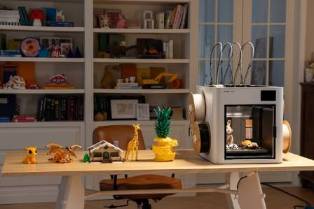
Successful 3D-Printed Products
3D printing, also known as additive manufacturing, has quickly become one of the most innovative and impactful advancements in modern production. Both the technology itself and the products created through it are reshaping how industries approach design, development, and manufacturing.
COVER · en

8 Simple Steps to Create the Perfect Cozy Corner in Any Room
Transforming any room into a cozy haven is easier than you might think. A well-designed cozy corner can serve as your personal retreat, offering a peaceful space to read, relax, or unwind. Whether you have a large living room or a small apartment, following a few simple steps will help you craft a cozy nook that enhances your home’s atmosphere. In this guide, we’ll cover the essential elements such as lighting, seating, textiles, and greenery to help you create the perfect cozy space.
COVER · en

The ubiquitous White Wagtail
As temperatures drop sharply across northern Spain, increasing numbers of wintering birds arrive in the Serranía de Ronda. This seasonal movement happens every year, with many species seeking shelter in the milder landscapes around the southernmost edge of the Baetic mountain system.
COVER · en

Stunning Ways To Fill An Awkward Corner In Your Entryway
Entryways and foyers often contain strange corners that are surprisingly difficult to decorate. Furniture may be too large, too narrow, or simply not practical enough for the available area. Odd angles, limited floor space, and inconvenient dimensions can make finding the right piece feel almost impossible.
COVER · en
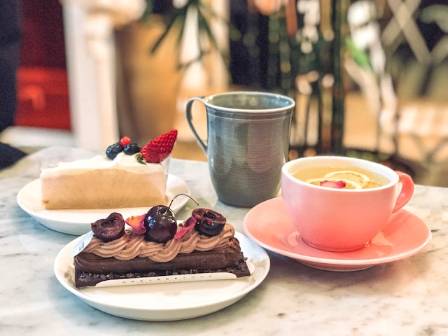
Afternoon Tea Essentials: 10 Irresistible Dishes to Elevate Your Tea Time
Afternoon tea is more than just a meal—it’s a cherished cultural ritual that blends comfort, elegance, and connection. Originating in 19th-century England when Anna Russell, the 7th Duchess of Bedford, grew peckish between lunch and dinner, this tradition has evolved into a global phenomenon, celebrated for its ability to turn ordinary afternoons into memorable moments. Whether you’re hosting a intimate gathering with friends, enjoying a solo retreat, or impressing guests with a refined spread, the key to a perfect afternoon tea lies in balancing savory and sweet, classic and creative. From buttery scones to delicate finger sandwiches, each dish plays a role in crafting a harmonious experience that tantalizes the taste buds and nourishes the soul. Below, we explore the 10 best dishes to serve with afternoon tea, delving into their history, preparation tips, and creative twists to help you curate a spread that feels both timeless and fresh.