Shelf read
The Lotus Flower - A symbol of beauty and transformation
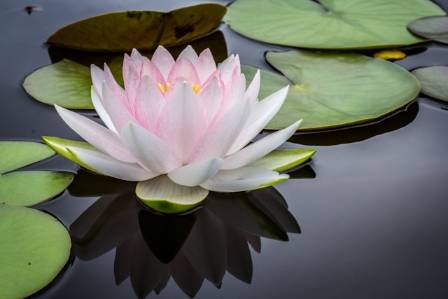
The lotus flower, known as hasu in Japan, rises gracefully from muddy pond water and produces impressive pink or white blossoms. These delicate flowers bloom during the hottest months of July and August, but each blossom lasts for only around four days. The flowers open in the early morning when the sun rises and gradually close as the afternoon arrives, appearing as if they are resting after their brief display of beauty.
Everett Collins
Library note
Reading tip
The full chapter continues below on the soft reading shelf.
Stack
Pocket Library
The lotus flower, known as hasu in Japan, rises gracefully from muddy pond water and produces impressive pink or white blossoms. These delicate flowers bloom during the hottest months of July and August, but each blossom lasts for only around four days. The flowers open in the early morning when the sun rises and gradually close as the afternoon arrives, appearing as if they are resting after their brief display of beauty.
Despite its short flowering period, the lotus has a powerful presence. Its fragrant blossoms, floating leaves, and elegant appearance have made it one of the most admired plants in Japanese culture.
The Symbolism of the Lotus Flower
Because the lotus grows from deep mud yet produces pure and beautiful flowers, it has long represented spiritual transformation, rebirth, and enlightenment. Its strong roots and brief blossoms reflect the idea of life’s continuous cycle, while its clean flowers rising above muddy water symbolize the ability of every person to overcome difficulties and achieve a higher state of being.
The round leaves and pointed petals also represent the endless movement of existence. Lotus seeds are traditionally used as Buddhist prayer beads, and some ancient seeds have successfully sprouted even after being preserved for nearly 2,000 years.
The Connection Between Lotus and Buddhism
The relationship between the lotus and Buddhism began in India, where the famous Lotus Sutra (Hokke-kyo) played an important role in Buddhist teachings. The scripture sought to bring together different Buddhist traditions by emphasizing that sincere faith and devotion could guide anyone toward spiritual salvation.
After Buddhism spread to Japan, various schools including Jodo, Shingon, Tendai, and Nichiren Buddhism embraced the teachings of the Lotus Sutra. The flower became deeply connected with Buddhist art, philosophy, and religious symbolism.
Lotus Flowers in Japanese Buddhist Art
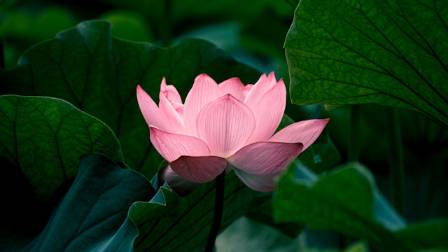
Many Buddhist statues are placed on fully opened lotus blossoms, especially representations of Amida Buddha, the Buddha of the Western Paradise. Famous examples can be found at temples such as Byodo-in Temple in Uji and Todai-ji Temple in Nara.
The Bodhisattva Kannon, the Buddhist figure associated with compassion, is also frequently shown standing on a lotus flower or holding lotus blossoms in her hands. Visitors can see examples of this imagery at Sanjusangen-do Temple.
According to Buddhist beliefs, those who enter paradise are able to rest upon lotus thrones. Because of this symbolism, many lovers separated by fate have imagined that they could reunite on the same lotus flower after death.
The Lasting Beauty and Uses of the Lotus
The lotus remains attractive even after its petals disappear. Its unique seed pod has a fascinating honeycomb-like structure, while its large round leaves maintain their rich green color throughout the season.
Beyond its spiritual and decorative value, the lotus also has practical uses in Japanese cuisine. The roots, known as renkon, are edible and commonly appear in traditional dishes, bento lunch boxes, and fried tempura preparations.
Through its beauty, symbolism, and usefulness, the lotus continues to hold a special place in Japanese nature, culture, and everyday life.
COVER · en

Caffeine and Psychological Well-being
The advantages and disadvantages of caffeine intake are frequently discussed. While moderate caffeine consumption is typically viewed as harmless, excessive intake may lead to undesirable effects. Individuals with mental health conditions such as clinical depression, bipolar disorder, anxiety disorders, or psychotic disorders should be aware of how caffeine influences their psychological state and consult with a healthcare professional regarding any concerns.
COVER · en

Guide to Mastering Seascape Art: A Sequential Acrylic Tutorial
Depicting the vastness of the sea is a foundational skill for any landscape artist. While the movement of water may appear intricate, capturing it on canvas is a manageable process when approached through a structured, layered method. This tutorial provides accessible techniques designed to help painters of all levels create a dynamic and convincing ocean scene using acrylics.
COVER · en

Sheep in nature
Wild sheep species can be found in many parts of the world, and they share a number of physical features that help them survive in challenging environments.
COVER · en
Learning About the Great Mormon Butterfly Identification Features Facts and Visuals
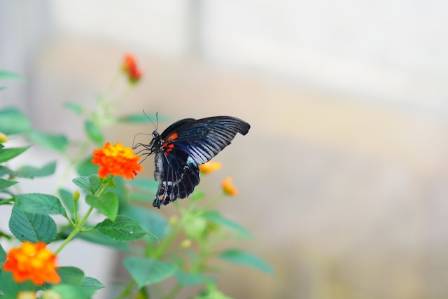
The Great Mormon Butterfly, scientifically known as Papilio memnon, is a fascinating member of the swallowtail butterfly family. It draws attention from butterfly lovers and scientists alike because of its substantial size and eye-catching looks. What makes this butterfly even more interesting is its wide presence across South and Southeast Asia, along with unique behaviors like mud-puddling—where it gathers with other butterflies to extract minerals from damp soil. Its ability to thrive in various countries and different types of habitats not only highlights its importance in the ecosystem but also shows how well it can adapt to changing surroundings.
COVER · en

Amazing Places to See Along the Washington Coast
Wild, rugged, and wonderfully isolated, the Washington Coast offers a breathtaking journey with every mile traveled along U.S. Route 101, from the mouth of the Columbia River to the farthest reaches of the Olympic Peninsula. Unlike many popular coastal destinations, this region remains largely untouched, with only a handful of small communities scattered along the shoreline. The lack of development allows visitors to enjoy true solitude, peaceful landscapes, and the dramatic beauty of the Pacific Northwest.
COVER · en

Seals: The Playful Performers of the Sea
Imagine the endless horizon of the ocean, where waves brush softly against the coast and the breeze carries the fresh scent of saltwater.