Shelf read
Bluestone Bridge
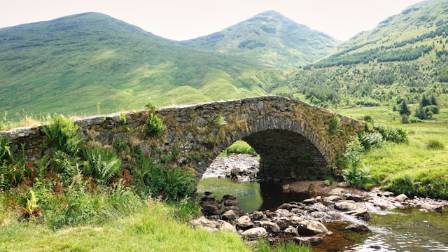
As you cross the present-day Blue Stone Bridge and listen to the peaceful flow of Wissahickon Creek beneath you, it is difficult to imagine how lively and heavily traveled this same spot once was.
Rowan Ellery
Library note
Reading tip
The full chapter continues below on the soft reading shelf.
Stack
Pocket Library
As you cross the present-day Blue Stone Bridge and listen to the peaceful flow of Wissahickon Creek beneath you, it is difficult to imagine how lively and heavily traveled this same spot once was.
The Old Red Covered Bridge and a Busy Crossroads
Before the current Blue Stone Bridge stood here, the Old Red Covered Bridge was one of five covered bridges built in the Wissahickon during the 19th century. It carried a considerable amount of traffic through the area. The site was also home to one of Henry Rittenhouse's mills and its associated dam, while a hillside roadhouse known as The Lotus Inn overlooked the area.
Today, the location has no remaining buildings, but it was once among the busiest junctions along the Wissahickon. Shur's Lane, which approached from the Schuylkill River, intersected with Rittenhouse Lane, which traveled from Germantown along the lower Monoshone Creek. A red covered bridge allowed travelers to cross the creek along an important stagecoach route.
The Crawford Stage Coach line traveled along this rough, deeply rutted road, making the journey anything but comfortable. Passengers endured dusty and jarring rides, while the steep incline on Shur's Lane placed considerable strain on both the horses and the carriage brakes. In 1896, the covered bridge was replaced by the Blue Stone Bridge. Once the Walnut Lane Bridge was completed in 1908, however, this route was no longer used as a major transportation corridor.
The Old Fairmount Guard Station
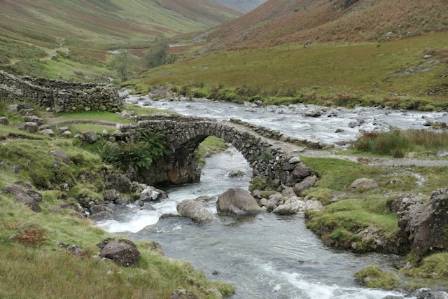
A small stone building can still be found on the western side of the Blue Stone Bridge. The structure was part of the Fairmount Guard station network, of which Ten Box was another example. Early photographs of the Blue Stone Bridge show the building, suggesting that it may have been constructed around the same period as the bridge itself.
Remains of the Rittenhouse Mill
Those who make their way down to the creek can still find traces of the area's industrial past. Among the surviving features are the remains of a wall and portions of a dam that once belonged to Henry Rittenhouse's mill.
Henry Rittenhouse's grist mill and cottage stood beside the eastern bank of the creek. The mill was constructed in 1751 and remained within the Rittenhouse family for more than a century. In 1873, the Fairmount Park Commission purchased the mill and 26 acres of surrounding property for $46,000.
The Rittenhouse mill was not the only mill operating nearby. Approximately 750 feet upstream from the Blue Stone Bridge stood Mathew Holgate's fulling mill, where oil and grease were removed from raw wool. Holgate also operated a ford across the stream, providing another route for traffic traveling between Ridge Avenue and Germantown Avenue.
The Lotus Inn
The Lotus Inn was located close to the Blue Stone Bridge and was among the final seven roadhouses that continued operating during the 19th and early 20th centuries. By the beginning of the 20th century, the inn stood at the bottom of Shur's Lane near Forbidden Drive.
The establishment became a popular stopping place for horsemen, who could pause for refreshments on its balcony covered with honeysuckle and overlooking the stream. During winter, party sleighs drawn by high-stepping horses would make their way to the inn to enjoy its well-known catfish and waffles.
A few traces of one of the inn's outbuildings can still be found along the footpath that follows the remains of Shur's Lane westward from Forbidden Drive, near the western end of the Blue Stone Bridge. The structure was built just beyond the park boundary in the late 19th century, after the Fairmount Park Commission prohibited alcohol within the park. When the park boundaries were later expanded, the building was eventually torn down in 1916.
COVER · en
Chocolate Boba Milk Tea (Bubble Tea): Creamy, Decadent & Ready in 10 Minutes
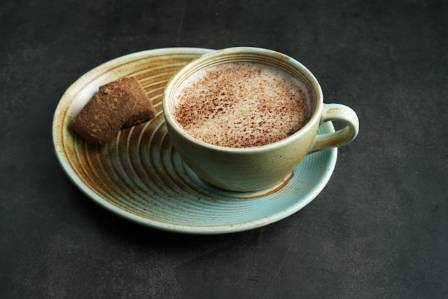
There’s something magical about the combination of rich chocolate and chewy boba pearls—two beloved treats that come together to create a drink that’s equal parts comforting and indulgent. This Chocolate Boba Milk Tea is the ultimate fusion of hot chocolate’s creamy sweetness and bubble tea’s fun, textural appeal, and the best part? It’s ready in just 10 minutes with only 8 simple ingredients. Whether you’re a die-hard boba fan or just craving a chocolatey pick-me-up, this recipe is designed to be easy, customizable, and utterly irresistible. No fancy equipment or hard-to-find ingredients required—just basic pantry staples and a love for all things sweet and chewy. Let’s dive into why this recipe needs to be your next go-to drink, plus step-by-step instructions, expert tips, and creative variations to make it your own.
COVER · en
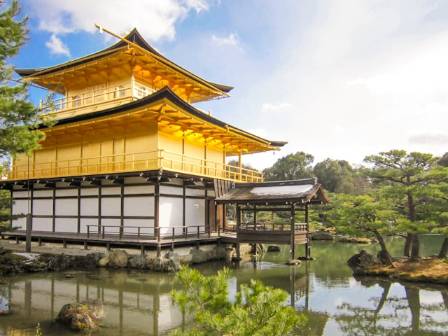
Kinkaku-Ji: The temple of the Golden Pavilion
Located in the northwestern area of Kyoto, Kinkaku-ji is one of Japan’s most iconic historical landmarks and a UNESCO World Heritage Site. The temple has a long and eventful history that began in 1397. Over the centuries, it was destroyed and reconstructed several times, with the most recent rebuilding completed in 1955.
COVER · en
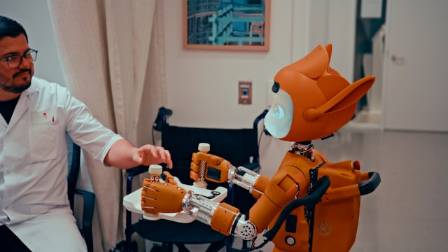
Advancements in Robotic and Bionic Medical Technology
Robotic medical devices are sophisticated, intelligent machines designed to assist or replicate the actions of healthcare professionals. These systems represent a fusion of multiple high-level fields, including computer science, mechanical engineering, mathematics, and clinical medicine. Some of these units function entirely autonomously, while others are operated or monitored by human specialists. In the modern medical landscape, these technologies are primarily utilized for precision surgery, internal diagnostic procedures, and physical therapy to assist patients in recovering from debilitating injuries or neurological disorders.
COVER · en
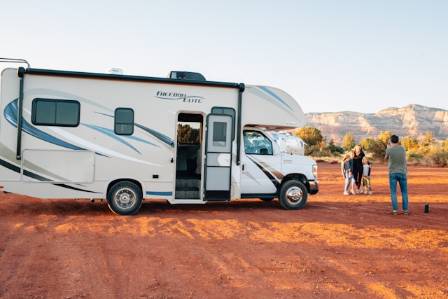
What is a Recreational Vehicle (RV): Definition, Types, Dimensions & Costs
The allure of the open road, the comfort of home on wheels, and the joy of unrestricted exploration—all these are embodied in a recreational vehicle (RV). Whether for a family road trip, a weekend getaway, or a long-term nomadic lifestyle, RVs have redefined how people travel. This guide comprehensively covers everything you need to know about RVs, from their definition and history to their types, features, costs, and practical considerations, helping you navigate the world of recreational vehicles with ease.
COVER · en

What Is Sea Surface?
The ocean surface forms the transition zone between the marine environment and the atmosphere. It extends from the air–water boundary downward several meters into the upper ocean and upward into the lowest region of the atmospheric boundary layer. This dynamic interface is where energy, momentum, moisture, gases, and heat are constantly transferred between two interacting fluid systems that influence Earth’s climate.
COVER · en
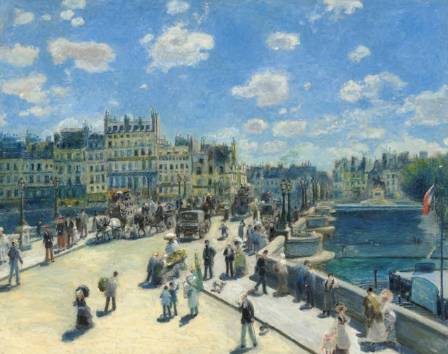
Expert Strategies for Capturing the Urban Landscape
Navigating a complex cityscape on canvas requires a strategic approach similar to exploring an unfamiliar metropolis with a map. Without a clear objective and a defined path, an artist can easily become overwhelmed by the intricate details of a bustling urban environment.