Shelf read
Create a Cozy and Inviting Living Room
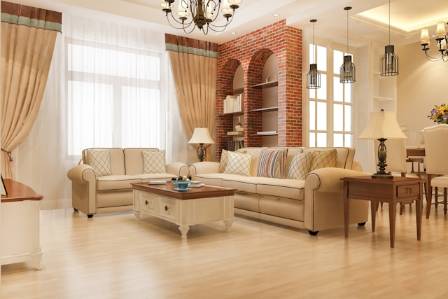
The living room is often the central gathering place in a home—a room for relaxing after a busy day, spending time with family, welcoming guests, or simply enjoying some quiet time. Designing this space to feel comfortable and inviting can make the entire home feel warmer and more pleasant.
Ruby Palmer
Library note
Reading tip
The full chapter continues below on the soft reading shelf.
Stack
Pocket Library
The living room is often the central gathering place in a home—a room for relaxing after a busy day, spending time with family, welcoming guests, or simply enjoying some quiet time. Designing this space to feel comfortable and inviting can make the entire home feel warmer and more pleasant.
With thoughtful choices in furniture, colors, fabrics, lighting, and decoration, you can turn an ordinary living room into a relaxing retreat. Here are several practical ideas to help you create a comfortable and welcoming atmosphere.
Select Warm and Comfortable Colors
Color has a major influence on the mood and character of an interior. The shades you choose can make a room feel calm, intimate, energetic, spacious, or formal. For a cozy living room, warm neutrals, gentle grays, creamy whites, and earthy shades are excellent choices because they create a soft and comfortable visual environment.
Cooler colors can sometimes make a room feel more formal or less intimate, while warmer tones tend to make the space feel more welcoming. Consider introducing these colors through your walls, furniture, curtains, cushions, or decorative accessories.
If you want more visual depth, try using a darker warm shade on an accent wall or choose warm-toned wallpaper. Those who prefer stronger colors can introduce touches of terracotta, muted red, orange, or burgundy through artwork, cushions, blankets, and other accessories.
Bring in Plenty of Soft Textures
Comfort is closely connected to texture, so soft materials are an important part of a welcoming living room. Choose sofas and armchairs with upholstery that feels pleasant and comfortable, such as velvet, chenille, or brushed cotton.
Layering different textiles can make the room feel even warmer. Place cushions and throws on sofas and chairs, and add a comfortable area rug beneath the seating arrangement. Faux-fur blankets and chunky knitted throws can provide additional warmth while also introducing visual interest.
Combining several different textures prevents the room from feeling flat and creates a more tactile environment. The result is a space that naturally encourages you to sit back, relax, and stay awhile.
Position Furniture to Encourage Relaxation and Conversation
Furniture placement can have a significant effect on how comfortable and functional your living room feels. Rather than simply pushing every piece against the walls, arrange seating so that people can comfortably interact with one another.
Begin by identifying the room's main focal point. This might be a fireplace, a large window, a television, or another prominent feature. Arrange sofas and chairs around this point while keeping conversation in mind.
Make sure there is enough open space for people to walk naturally around the room without bumping into furniture. Coffee tables, ottomans, and side tables can also serve practical purposes while creating convenient gathering points.
A well-planned arrangement allows family members and guests to sit comfortably, communicate easily, and move around the room without difficulty. The goal is to create a balanced layout that feels relaxed rather than crowded.
Create a Cozy Atmosphere With Warm Lighting
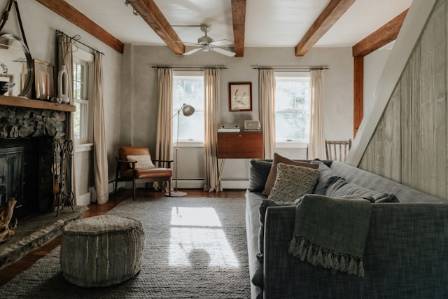
Lighting is one of the easiest ways to change the mood of a living room. Warm illumination can make the room feel softer, more intimate, and more relaxing, especially during the evening.
Choose warm-colored LED bulbs and consider using dimmable lighting so that the brightness can be adjusted according to the occasion. Instead of depending entirely on one overhead fixture, combine several sources of illumination.
Table lamps, floor lamps, and other strategically positioned fixtures can spread a gentle glow throughout the room. Layered lighting creates a more comfortable atmosphere and can highlight particular areas or decorative features.
Whether you are reading a book, spending time with family, entertaining friends, or enjoying a peaceful evening alone, warm lighting can help establish the right mood and make the living room feel more like a personal retreat.
Add Personal Details and Natural Features
A truly inviting living room should reflect the people who live there. Personal belongings can give the room character and make it feel more meaningful. Display favorite photographs, artwork, travel souvenirs, family keepsakes, or other objects that have personal significance.
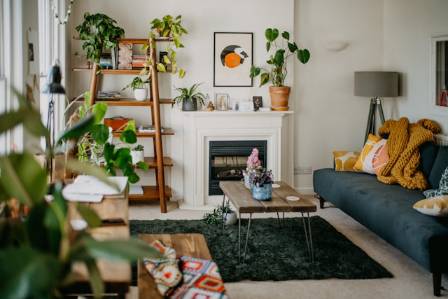
Natural elements can also make the space feel fresher and more peaceful. Add potted plants, fresh flowers, or even a small indoor garden to introduce greenery and bring a touch of nature indoors.
Natural materials can further enhance the warmth of the room. Consider incorporating wood, rattan, stone, or similar materials into furniture, storage pieces, decorative objects, or accessories. Their organic textures can complement soft fabrics while creating a more relaxed and grounded atmosphere.
Conclusion
Creating a cozy and welcoming living room does not require a complete renovation. Thoughtful choices in color, texture, furniture placement, lighting, and decoration can make a significant difference.
Warm shades establish a comfortable visual foundation, while soft fabrics and layered textiles make the room more inviting. Furniture arranged with both relaxation and conversation in mind helps people connect comfortably, and warm lighting creates a gentle atmosphere during the evening.
Finally, personal belongings and natural elements give the room individuality and bring additional warmth into the space. Whether you are enjoying a quiet moment with a book, gathering with friends and family, or simply relaxing at the end of the day, a thoughtfully designed living room can become a comfortable sanctuary for both relaxation and connection.
COVER · en

Ten Intriguing Realities of Semiconductor Technology
Semiconductors rank among the most significant breakthroughs in human history.
COVER · en

Earth’s Largest Deserts: From Ice to Sand
Deserts are landscapes defined by extreme dryness—typically receiving less than 250 mm of precipitation annually—and often losing more moisture via evaporation than they gain from rainfall. While many imagine deserts as endless seas of sand, dunes actually cover only around ten percent of desert terrains. Deserts can be classified into four main types: hot and dry (aka subtropical), semi arid, coastal and cold (polar) environments. Below is a portrayal of the ten largest deserts on Earth by total area, following the same order as in the original piece, with each section heading freshly worded.
COVER · en

Tokyo Tower: A Nation Reborn, Standing 333 Meters Tall
Tokyo Tower, a 333-meter symbol of Japan's post-war rebirth, was the nation's tallest structure from 1958 until 2012 and remains a beloved landmark, broadcast antenna, and registered cultural property. The article explores its history, engineering secrets, night illuminations, observation decks, and the ongoing maintenance that keeps this "Japanese brother of the Eiffel Tower" alive.
COVER · en

Beautiful Baisha Beach in Kending
Baisha Beach, also known as Bai Sha Wan, is one of the most beloved seaside destinations among both locals and foreign residents visiting Kending. Its popularity comes from several factors, including its beautiful location, high-quality sandy shoreline, and the laid-back coastal lifestyle surrounding it. The beach gained even more international attention after appearing in several scenes of Taiwanese director Ang Lee’s famous film “Life of Pi.”
COVER · en

Canyon River Falls on Sturgeon River
Canyon River Falls is one of the most famous natural attractions in Baraga County. Here, the powerful Sturgeon River drops into a narrow box canyon, flowing dramatically between layers of slate rock walls before twisting through the canyon and eventually spreading into a wetland valley.
COVER · en

The Comprehensive Guide to SUVs
Sport-utility vehicles (SUVs) dominate the U.S. automotive market. Buyers are attracted to SUVs for their higher driving position, all-wheel or four-wheel drive capabilities, off-road potential, flexible interiors, and the prestige associated with their size compared to conventional cars.