
Shelf read
Effective Indoor Attire for Maintaining Body Heat
High energy costs often make heating an entire residence impractical. A more cost-effective strategy involves maintaining personal warmth while moving through cooler areas of the home. By focusing on personal insulation, you can remain comfortable without relying on expensive central heating.
Alexander James Whitmore
Library note
Reading tip
The full chapter continues below on the soft reading shelf.
Stack
Pocket Library
High energy costs often make heating an entire residence impractical. A more cost-effective strategy involves maintaining personal warmth while moving through cooler areas of the home. By focusing on personal insulation, you can remain comfortable without relying on expensive central heating.
The Strategy of Insulation and Layering
To stay warm effectively, it is essential to dress the upper and lower body with consistent levels of insulation. A common mistake is heavily layering the torso while wearing only thin trousers or leggings. True warmth comes from trapping air both within the fibers of your clothing and between the various garments you wear. Multiple thin layers are frequently more efficient than one thick item because they create more pockets of stagnant, warm air.
For the lower body, choosing substantial winter trousers is the most effective approach. Materials with a dense weave or soft, brushed interiors provide significantly more warmth than standard denim. Options such as fleece-lined cargo pants or heavyweight moleskin trousers offer excellent protection against the cold. While jogging bottoms are a popular choice, their loose fit and lighter weave may not retain heat as effectively as more structured, lined alternatives.
When selecting tops, a long-sleeved thermal base layer is the ideal starting point. Because it sits directly against the skin, it functions as a primary heat trap. Over this, you can add shirts or sweaters based on personal preference. Garments with adjustable features, such as buttoned cuffs or zippered necks, are particularly useful as they allow you to regulate your temperature as your activity level or the room temperature fluctuates.
Selecting Superior Fabrics for Warmth
The choice of material significantly impacts how much heat your clothing retains. While cotton is a staple for many, it is a poor insulator for winter. Even brushed cotton or flannel is less effective than specialized alternatives because cotton does not manage moisture well and can feel cold once it becomes damp.
Wool stands out as a premier natural insulator. It is designed to keep heat in even when damp. Merino wool is considered the gold standard for base layers due to its softness, high performance, and natural ability to resist odors. For mid-layers, polyester fleece is a highly durable and affordable option. It is lightweight, dries quickly, and is exceptionally efficient at trapping body heat. Synthetic blends like acrylic are also common for knitwear and hats, offering a wool-like feel and good insulation at a lower price point.

Essential Care for Warm Feet
Cold feet are often a signal that your core body temperature is dropping. When the body loses too much heat, it restricts blood flow to the extremities to protect vital organs. Therefore, the first step to warming your feet is ensuring your entire body is sufficiently insulated.
In the house, slippers are more important than socks alone. Because heat is lost through direct contact with cold flooring, you need a non-compressible layer of insulation between your soles and the ground. Real sheepskin slippers offer maximum comfort and warmth, but even standard foam-soled slippers provide a vital thermal barrier. Pairing slippers with thick wool or acrylic socks that cover the ankles will provide the most comprehensive protection against drafts near the floor.
Advanced Solutions for Targeted Warmth
If you prefer not to wear multiple heavy layers, technology offers several targeted alternatives. Heated clothing and accessories allow you to warm your body directly rather than heating the surrounding air.
Modern battery-powered garments, such as rechargeable heated vests and socks, provide consistent warmth without tethering you to a wall outlet. These items are perfect for maintaining mobility while staying cozy. For stationary warmth, electric heated throws or pads can be used while sitting or sleeping. These devices are remarkably efficient, using a fraction of the electricity required by a space heater. Additionally, oversized wearable blankets combine the comfort of a duvet with the utility of a robe, offering a simple and non-electric way to stay fully encased in warmth.
COVER · en

The sika deer : A fascinating species native to East Asia
The sika deer (Cervus nippon) is a medium-sized deer native to much of East Asia, including Japan, Taiwan, eastern China, Korea, and parts of Russia. Although their original distribution has decreased in some areas, sika deer have been introduced to numerous regions around the world, including Europe, Australia, New Zealand, and the United States.
COVER · en

Top 10 Game-Changing AI Technologies Transforming Our World
In a world where artificial intelligence (AI) continues to advance at breakneck speed, several groundbreaking technologies are emerging as leaders in innovation and functionality. Here’s a look at 10 of the most influential AI technologies making waves across various industries:
COVER · en

12 Warm Color Schemes Recommended by Interior Designers
These 12 Designer-Selected Warm Color Schemes Offer Unmatched Coziness When you want your living space to feel like the visual counterpart of curling up in bed on a cool autumn day with no plans that force you to leave the comfort of your covers, a warm color palette is exactly what you need. Shades of red, brown, cream, and more can help craft a welcoming atmosphere in any room, regardless of your personal style.
COVER · en
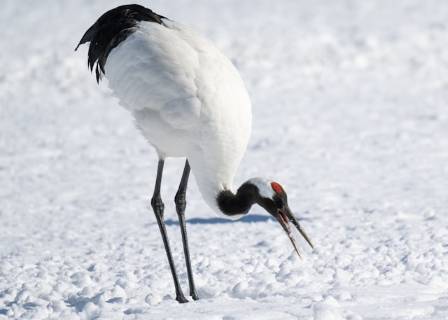
The Majestic Red-Crowned Crane
The red-crowned crane is one of the largest and heaviest crane species in the world. Adults usually reach a height of approximately 150 to 158 cm (4 ft 11 in to 5 ft 2 in) and weigh between 4.8 and 10.5 kg (11 to 23 lbs). Their impressive wingspan can extend from 220 to 250 cm (7 ft 3 in to 8 ft 2 in), giving them a powerful and elegant presence in flight.
COVER · en

Top 10 Outstanding Compact Electric Vehicles of 2025
Compact battery-powered cars are far more than eco-conscious choices — they’re designed to streamline daily routines, cut expenses, and bring unexpected joy to every drive. Gliding through urban streets without engine noise or dodging sky-high fuel costs, these vehicles are perfectly suited to modern lifestyles. Packed with fast-charging capabilities, intelligent technology, and surprisingly spacious interiors, today’s small EVs offer performance that belies their compact dimensions.
COVER · en
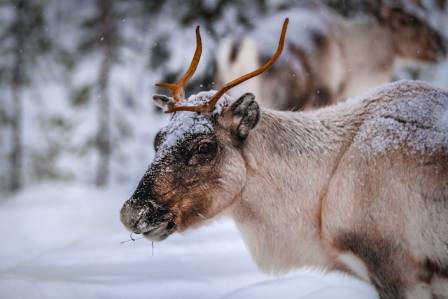
Reindeer in Lapland — Santa Claus Reindeer Insights
The reindeer around Lapland are Rangifer tarandus tarandus, a semi-domesticated reindeer derived from mountain reindeer.