Shelf read
Best Indoor Plants for Your Health
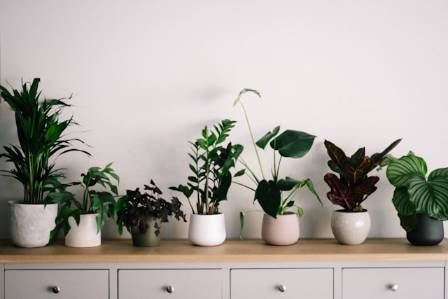
If your favorite houseplants have gradually spread throughout your home, filling bookshelves, end tables, kitchen counters, and other available spaces, you certainly are not the only one. The popularity of indoor greenery has grown dramatically in recent years as more people have spent greater amounts of time at home. Houseplants have also become especially popular on social media platforms such as TikTok and Instagram, where the hashtag #HousePlants has appeared in more than 9 million posts.
Freya Collins
Library note
Reading tip
The full chapter continues below on the soft reading shelf.
Stack
Pocket Library
If your favorite houseplants have gradually spread throughout your home, filling bookshelves, end tables, kitchen counters, and other available spaces, you certainly are not the only one. The popularity of indoor greenery has grown dramatically in recent years as more people have spent greater amounts of time at home. Houseplants have also become especially popular on social media platforms such as TikTok and Instagram, where the hashtag #HousePlants has appeared in more than 9 million posts.
Although plants can make an interior look brighter, fresher, and more inviting, experts suggest that their value may extend beyond decoration. Spending time around plants may also support mental, emotional, and physical wellbeing.
Naturopathic physicians have incorporated plants and plant-based remedies into their practices for many years. According to Amy Rothenberg, N.D., a naturopathic physician and president of the Massachusetts Society of Naturopathic Doctors, simply being around plants can have a positive effect on the whole person.
A whole-person approach considers physical health as well as emotional and spiritual wellbeing. Plants can contribute to each of these areas in different ways. They may improve indoor air quality, make living spaces more attractive, and provide a sense of purpose through the simple act of caring for another living thing. Plants placed in bedrooms may contribute to a more restful environment, while greenery can also brighten a kitchen that lacks a window.
Nearly any plant can add something positive to your environment and potentially support your emotional wellbeing. However, some houseplants are especially appealing because they combine these benefits with relatively simple care requirements.
Which Houseplants Are Best for Your Health?
The ideal houseplant is not necessarily the one with the most impressive reputation. Alex Cromer, LPC, a licensed professional mental health counselor with Thriveworks in Richmond, Virginia, suggests choosing plants that fit your personal preferences, lifestyle, schedule, and daily routine.
Even if you do not consider yourself a skilled gardener, there is no need to worry. Many plants associated with indoor health benefits are also remarkably forgiving, allowing you to enjoy their appearance and potential advantages without spending hours caring for them.
1. Spider Plant
Spider plants, scientifically known as Chlorophytum comosum, are among the easiest houseplants to maintain. They require relatively little attention and can grow successfully without a major investment of time or resources.
Their slender leaves form an attractive display, while long, trailing stems produce small plantlets that hang from the mother plant. According to the University of Wisconsin-Madison Division of Extension, these young plants are responsible for the spider-like appearance that gives the species its common name.
Spider plants have also been associated with improved indoor air quality. NASA researchers examined the foliage, soil, roots, and microorganisms associated with several common houseplants to determine their potential for filtering indoor pollutants. In one controlled experiment, spider plants removed approximately 95 percent of formaldehyde from the air inside a sealed Plexiglas container over a 24-hour period.
2. Peace Lily
Even its name, peace lily, suggests tranquility. These attractive plants are also valued for their broad green foliage and distinctive white flowers. Trevor Cates, N.D., a naturopathic doctor based in Park City, Utah, and author of Clean Skin From Within, notes that their flowers and attractive appearance can contribute to a pleasant indoor environment.
Research published in Applied Sciences in 2022 indicates that peace lilies may have air-cleaning capabilities and can help remove carbon dioxide and volatile organic compounds, commonly known as VOCs, from indoor air.
Peace lilies can survive for many years and repeatedly produce white blooms that resemble small flags of peace. They are relatively undemanding and can tolerate lower-light locations, making them suitable for shady areas inside the home.
However, they should be kept away from young children and pets. If eaten, peace lilies can cause symptoms such as vomiting and swelling of the tongue.
3. Rubber Plants
Rubber plants, also called rubber trees, belong to the species Ficus elastica and are popular choices for indoor growing. They are generally straightforward to maintain and typically need watering only about once a week, depending on growing conditions.
Research has also suggested that rubber plants possess air-purifying capabilities, giving them value beyond their attractive foliage.
Despite their ease of care, rubber plants should be positioned carefully. They can be highly toxic when swallowed, so keep them safely away from pets and young children.
4. Elephant Ear Plants
For gardeners who want to spend more time actively caring for their houseplants, Cromer recommends elephant ear plants. This name refers to a group of tropical perennial plants recognized for their exceptionally large, heart-shaped leaves.
Elephant ear plants prefer bright light and regular watering to keep their growing medium consistently moist. They can become quite large, so they require considerably more space than compact houseplants.
Some species have traditionally been cultivated for their edible, starchy underground tubers, which serve as important food sources in parts of the tropics. Their leaves have also been noted in traditional medicinal applications, including use related to insect stings.
5. Snake Plants
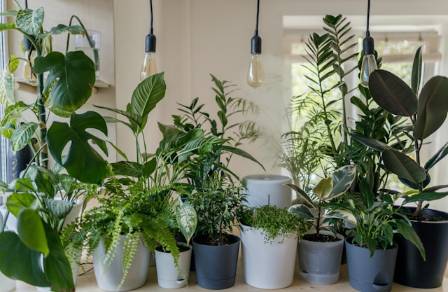
Commonly called mother-in-law’s tongue, snake plants, including Sansevieria trifasciata, are known for their upright, sword-shaped foliage. Their vertical growth makes them attractive decorative plants while also allowing them to fit comfortably into relatively narrow spaces.
They are exceptionally low-maintenance. Snake plants generally need water only after the soil has dried and can tolerate a wide range of lighting conditions. Experts at HGTV describe them as plants that can essentially “thrive on neglect.”
Snake plants were also included in NASA’s extensive research into indoor plants. The study found that they can remove certain pollutants from indoor air over time.
6. Ferns
Ferns can provide a lush, natural appearance indoors, especially when their foliage is allowed to spill over the sides of a hanging basket or plant stand.
A 2022 study published in Applied Sciences found that Boston ferns performed particularly well in removing VOCs from the surrounding air. Their full, arching fronds can make an attractive addition to indoor spaces.
Ferns do require somewhat more attention than many of the other plants on this list. They prefer moderate to bright light and consistently moist soil, so regular monitoring and watering are important.
7. Pothos
Pothos, including Epipremnum pinnatum, is one of the plants many people immediately associate with the idea of a classic houseplant. It is also commonly known as devil’s ivy or golden pothos.
The plant produces attractive heart-shaped leaves that can be solid green or feature striking combinations of green and yellow. Pothos is highly adaptable and requires little maintenance, generally performing well with indirect light and relatively infrequent watering.
Research suggests that pothos can help reduce indoor ozone concentrations. Lower ozone levels may make indoor air easier to breathe and potentially reduce respiratory risks. The plant has also been associated with removing VOCs from indoor environments.
8. English Ivy
English ivy, or Hedera helix, is another flexible houseplant that can be cultivated both indoors and outdoors. Studies have indicated that it may help reduce carbon dioxide, formaldehyde, and other airborne pollutants.
Inside the home, English ivy works particularly well in hanging containers, where its trailing stems can cascade downward. It can also be trained along a trellis or shaped into different forms, according to the Clemson University Cooperative Extension.
For healthy growth, English ivy prefers plenty of direct sunlight. Water thoroughly once the growing medium has dried, making sure the plant receives enough moisture without remaining constantly saturated.
9. Succulents and Cacti
Succulents and cacti are excellent options for people who prefer plants that require very little attention. Cromer notes that these plants can often thrive with minimal care.
Their ability to tolerate drought means they do not need frequent watering. Instead, allow the growing medium to become completely dry before watering again.
Succulents and cacti are also available in an enormous variety of shapes, sizes, textures, and colors, making it easy to find one that complements your interior décor. Some types may contribute to indoor air quality, while certain varieties can also increase humidity.
The jade plant, for example, has been associated with increasing moisture in indoor air. Aloe vera offers another advantage because it has traditionally been used for medicinal purposes and may be helpful for soothing minor cuts, burns, and other skin problems.
10. Herbs
Growing small pots of herbs in the kitchen can provide both decorative and practical benefits. Fresh basil, parsley, mint, and other herbs add greenery to the room while potentially encouraging you to prepare meals at home and make healthier food choices.
Growing herbs yourself can also cost less than repeatedly purchasing small packages of fresh herbs at the grocery store.
Certain herbs have additional potential benefits. According to information from the Mayo Clinic, herbs such as chamomile and lavender have been associated with reduced anxiety. Fresh herbs can also contribute vitamins, minerals, and antioxidants to your diet, making them a useful addition to both your kitchen and your everyday routine.
COVER · en

11 of the most beautiful coastlines in the world
From brilliant white beaches and dramatic cliffs to massive rock formations and charming secluded bays, the world is filled with spectacular coastlines. Each destination has its own distinct character, whether it offers peaceful scenery, dramatic landscapes, or unforgettable natural beauty.
COVER · en

Easy-to-Care-For Saltwater Fish for Beginners
Starting a saltwater aquarium can feel overwhelming for a new marine hobbyist. Choosing the right fish requires careful consideration of several factors, including personality, feeding preferences, aquarium size, and water temperature needs.
COVER · en

Biological Information on the Asiatic Black Bear
Asiatic black bears, often known as moon bears, are one of the eight recognized species of bears in the world. They are medium-sized bears that generally stand around 4.5 to 5.4 feet tall and weigh approximately 198 to 254 pounds. Males are typically larger than females and can reach weights of up to 400 pounds.
COVER · en

The Cultural Significance of Macarons in France
Picture a delicate, jewel-toned confection: crisp yet chewy, with a burst of flavor that balances sweetness and sophistication. This is the French macaron—more than a cookie, it’s a cultural touchstone that has captivated palates worldwide while holding sacred status in its homeland. In France, macarons weave through daily life and milestone moments alike, blending edible artistry with social meaning. They are testaments to French culinary rigor, symbols of refinement, and vessels of joy, bridging centuries of tradition with modern allure. To bite into a macaron is to taste the essence of France—precision, creativity, and joie de vivre.
COVER · en

Most Beautiful Depictions of Harvest in Art
Here in Wales, the leaves are turning and beginning to drift from the trees. The final fruits and vegetables have been gathered, and the evenings are growing longer and darker. According to the pagan calendar, the Autumn Equinox and Samhain are now behind us. It is an ideal time to reflect on the year’s harvest—whether in a literal, spiritual, or emotional sense. Here are several renowned artworks celebrating the harvest to inspire you.
COVER · en

The Five Most Renowned Landmarks in France
France is renowned for its rich history and stunning landmarks, many of which are concentrated in Paris. However, beyond the capital city, the entire country boasts a wealth of historical treasures, each telling a unique story and leaving a lasting impression on visitors. Here are five must-visit landmarks that epitomize France's cultural and architectural significance: