Shelf read
Top 10 Highest Mountains in the World
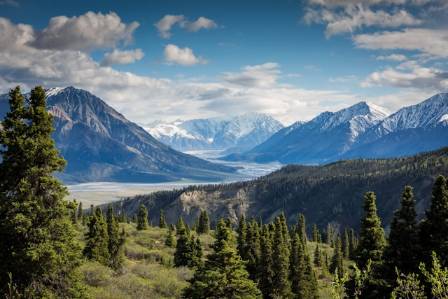
The ten tallest mountains on Earth are all located in Asia, mainly within the Himalayan mountain system. A notable fact is that out of the fourteen peaks above 8,000 meters, eight are found in Nepal’s Himalayas. Below is a list of the world’s highest mountains, including their elevations and locations.
Scarlett Moore
Library note
Reading tip
The full chapter continues below on the soft reading shelf.
Stack
Pocket Library
The ten tallest mountains on Earth are all located in Asia, mainly within the Himalayan mountain system. A notable fact is that out of the fourteen peaks above 8,000 meters, eight are found in Nepal’s Himalayas. Below is a list of the world’s highest mountains, including their elevations and locations.
1. Mount Everest (8,848.86m / 29,031.7ft), Nepal
Mount Everest is the highest point on Earth. It sits on the border between Nepal and China, rising to 8,848.86 meters above sea level. In Nepal it is known as Sagarmatha, while in Tibet it is called Chomolungma. Although it attracts climbers of all levels, it remains a major global mountaineering goal. The first successful ascent was completed in 1953 by Tenzing Norgay and Edmund Hillary via the South Col route.
2. K2 (8,611m / 28,251ft), Pakistan
K2 is the second-highest mountain in the world and lies in the Karakoram Range. It is the tallest peak in Pakistan and is widely considered one of the most difficult mountains to climb, earning the nickname “Savage Mountain.” Its first successful summit was achieved in 1954 by an Italian expedition led by Ardito Desio, with climbers Lino Lacedelli and Achille Compagnoni reaching the top via the Abruzzi Spur.
3. Kangchenjunga (8,586m / 28,169ft), Nepal
Kangchenjunga is the third-highest mountain on Earth, located on the border between Nepal and India. Its name means “Five Treasures of Snow,” referring to its five prominent peaks. It is the highest mountain in India and the easternmost among the world’s tallest peaks. The first ascent was completed in 1955 by Joe Brown and George Band.
4. Lhotse (8,516m / 27,940ft), Nepal
Lhotse is the fourth-highest mountain and is directly connected to Everest via the South Col. Its name means “South Peak” in Tibetan. Besides its main summit, it includes Lhotse Middle and Lhotse Shar. The mountain is known for its extremely steep South Face, one of the most challenging walls in high-altitude climbing. It was first climbed in 1956 by Fritz Luchsinger and Ernst Reiss.

5. Makalu (8,481m / 27,825ft), Nepal
Makalu is the fifth-highest mountain in the world and is located southeast of Everest on the Nepal–China border. It is known for its isolated pyramid shape and steep ridges. The first successful ascent was made in 1954 by an American expedition led by William Siri. Common climbing routes include the Southeast Ridge and Northwest Ridge.
6. Cho Oyu (8,201m / 26,906ft), Nepal
Cho Oyu is the sixth-highest peak and lies on the Nepal–China border, about 20 km west of Everest. Its name means “Turquoise Goddess” in Tibetan. Compared to other 8,000-meter peaks, it is considered one of the more accessible climbs due to its relatively moderate routes. It was first summited in 1954 by Herbert Tichy, Joseph Jöchler, and Pasang Dawa Lama.
7. Dhaulagiri (8,167m / 26,795ft), Nepal
Dhaulagiri ranks seventh globally and is located in central Nepal. Its name comes from Sanskrit, meaning “White Mountain” or “Shining Mountain.” The main climbing route is the northeast ridge. It was first climbed in 1960 by an international team including Austrian, Swiss, and Nepali climbers.
8. Manaslu (8,163m / 26,763ft), Nepal
Manaslu is the eighth-highest mountain in the world and lies in west-central Nepal. Its name means “Mountain of the Spirit,” derived from the Sanskrit word “Manasa.” It is often chosen as an introductory 8,000-meter peak for experienced climbers. The first ascent was completed in 1956 by a Japanese expedition team.
9. Nanga Parbat (8,126m / 26,660ft), Pakistan
Nanga Parbat is the ninth-highest mountain and is located in Pakistan’s Gilgit-Baltistan region. It was once known as the “Killer Mountain” due to its extreme difficulty and high fatality rate. Despite its challenges, it was first successfully climbed in 1953 by Austrian mountaineer Hermann Buhl. The peak rises dramatically near the Indus River.
10. Annapurna I (8,091m / 26,545ft), Nepal
Annapurna I is the tenth-highest mountain and part of the larger Annapurna massif. This region includes several major peaks and is known for extremely dangerous climbing conditions, with one of the highest fatality rates among 8,000-meter mountains. The first ascent was achieved in 1950 by Maurice Herzog and Louis Lachenal.
COVER · en

Classic Convertibles for Style and Fun
In a world dominated by modern SUVs, high-performance electric cars, and everyday crossovers, classic convertible sports cars feel like a welcome escape. These timeless vehicles capture the spirit of open-air driving, blending beauty with excitement in a way few modern cars can match.
COVER · en

Nineteen Incredible Butterfly Facts That Will Completely Change How You See Them
Butterflies are some of the most beautiful insects on earth. Most people love watching them fly through backyard gardens. However these fragile creatures hold many deep biological secrets. Their anatomy and daily survival methods are far more complex than they appear at first glance.
COVER · en

Are Smoothies Good for You? A Nutritionist’s Comprehensive Guide
Smoothies have become a staple in modern diets, celebrated for their convenience, versatility, and ability to pack fruits, vegetables, and nutrients into a single, easy-to-consume drink. Whether enjoyed as a quick breakfast on a busy morning, a post-workout recovery snack, or a way to sneak extra veggies into a child’s diet, smoothies offer undeniable appeal. But beneath their vibrant colors and refreshing taste lies a question that divides health enthusiasts: are smoothies truly good for you, or are their high sugar content and blended format undermining their nutritional value? To answer this, we’ll dive into the science, benefits, potential pitfalls, and expert tips to help you make informed choices about incorporating smoothies into your lifestyle.
COVER · en
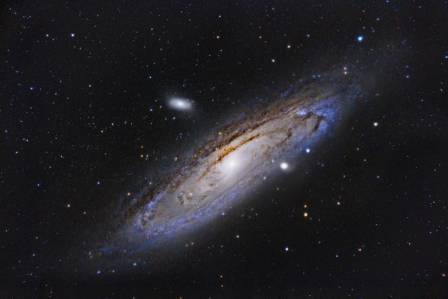
Stargazing Spectacular: 5 Nearby Galaxies to Explore
If you’ve ever gazed up at the night sky and yearned to explore distant galaxies, you’re in luck! Our guide introduces you to seven stunning nearby galaxies that you can observe with your telescope. While the universe holds over 100 billion galaxies, these celestial wonders are some of the most accessible for amateur astronomers.
COVER · en

4 Cutest Bunny Breeds That Make Adorable Companions
If you're searching for a delightful pet that’s a bit different from the usual dogs and cats, you might want to consider adding a bunny to your family. Rabbits are charming, affectionate, and often easier to care for than you might think. With many breeds to choose from, including some that are quite rare, we’ve compiled a list of four of the cutest bunny breeds that could be the perfect fit for your home.
COVER · en

The Cultural Significance of Macarons in France
Picture a delicate, jewel-toned confection: crisp yet chewy, with a burst of flavor that balances sweetness and sophistication. This is the French macaron—more than a cookie, it’s a cultural touchstone that has captivated palates worldwide while holding sacred status in its homeland. In France, macarons weave through daily life and milestone moments alike, blending edible artistry with social meaning. They are testaments to French culinary rigor, symbols of refinement, and vessels of joy, bridging centuries of tradition with modern allure. To bite into a macaron is to taste the essence of France—precision, creativity, and joie de vivre.