Shelf read
10 Epic Coastal Cliffs
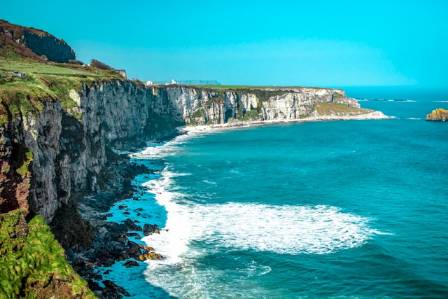
Coastal cliffs exist all over the globe, shaped slowly over time by powerful natural forces. Most are formed through long-term erosion or sudden large-scale rock collapses. Relentless ocean waves—especially during storms—continually strike the shoreline, breaking down rock and soil and carrying the debris back into the sea.
Penelope Vale
Library note
Reading tip
The full chapter continues below on the soft reading shelf.
Stack
Pocket Library
Coastal cliffs exist all over the globe, shaped slowly over time by powerful natural forces. Most are formed through long-term erosion or sudden large-scale rock collapses. Relentless ocean waves—especially during storms—continually strike the shoreline, breaking down rock and soil and carrying the debris back into the sea.
Although they are created through destruction, these dramatic landscapes are among the most visually striking features on Earth.From Ireland’s rugged western edge to Australia’s limestone formations and beyond, here are ten of the world’s most spectacular coastal cliff destinations.
1. Cliffs of Moher (Ireland)
Stretching about five miles along County Clare’s Atlantic coast, the Cliffs of Moher rise roughly 400 feet above the ocean. Offshore sits Branaunmore, a tall sea stack that once formed part of the cliff before erosion separated it. The area is also an important habitat for seabirds—over twenty species, including puffins—and is protected under EU conservation rules.
2. Étretat Cliffs (France)
In northern France, the small village of Étretat is framed by striking chalk cliffs overlooking the English Channel. These pale rock formations include natural arches and a dramatic needle-shaped spire known as “L’Aiguille.” Their unique shapes and coastal light once inspired Impressionist masters such as Monet, Boudin, and Matisse.
3. Bonifacio Cliffs (Corsica, France)
Southern Corsica is home to the cliff-top town of Bonifacio, perched dramatically above white limestone walls. Below lies a busy harbor and nearby island views. A famous carved staircase, known as the King of Aragon’s Steps, descends the cliff face with nearly 200 steps connecting the upper town to sea-level caves.
4. The Twelve Apostles (Australia)
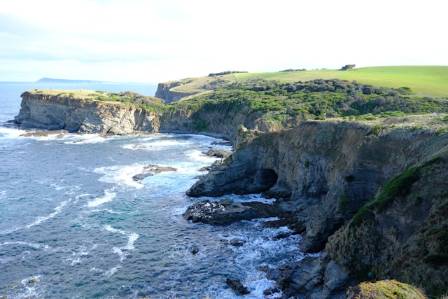
Off the coast of Victoria’s Port Campbell National Park stand limestone pillars rising from the Southern Ocean. These formations began as coastal caves, evolved into arches, and eventually collapsed into towering stacks reaching up to about 147 feet. Continuous erosion means only a portion of the original “apostles” remain today.
5. White Cliffs of Dover (England)
Facing continental Europe across the English Channel, the White Cliffs of Dover are composed of chalk formed from ancient marine microorganisms. Over millions of years, layers of calcium carbonate built up into the bright white walls we see today. A climb to nearby viewpoints and the South Foreland Lighthouse offers sweeping coastal views.
6. Mizen Head (Ireland)
At Ireland’s southwestern tip, Mizen Head features jagged cliffs dropping into the Atlantic. A striking footbridge spans the gap between cliff edges and a nearby rock outcrop, suspended high above crashing waves. The surrounding waters are known for marine life such as seals, dolphins, and whales.
7. Big Sur (United States)
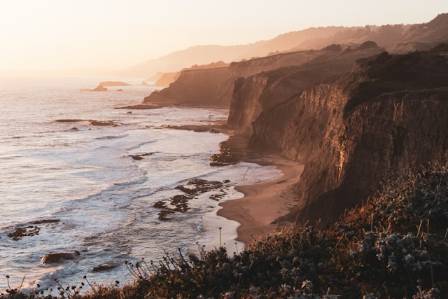
California’s Big Sur coastline stretches for around 90 miles along the Pacific, where steep cliffs meet winding mountain roads. Highway One traces the edge of the cliffs, revealing constant ocean views. The region is rich in wild landscapes, including coastal wildflowers and rare wildlife like the California condor.
8. Navagio Beach (Greece)
On the island of Zakynthos, Navagio Beach—often called Shipwreck Beach—is enclosed by towering limestone cliffs. Below sits bright sand and turquoise water, along with the remains of a stranded ship that washed ashore in the 1980s. The cliffs also attract thrill-seekers, including BASE jumpers.
9. Bunda Cliffs (Australia)
Running along the Great Australian Bight, the Bunda Cliffs form one of the longest continuous cliff lines in the world, stretching roughly 62 miles. Rising nearly 400 feet in places, these limestone walls were formed after Australia separated from Antarctica millions of years ago. The surrounding region supports diverse wildlife, including camels and marine species.
10. Paracas Cliffs (Peru)
Inside Peru’s Paracas National Reserve, coastal cliffs made of pink-toned granodiorite overlook the Pacific Ocean. Wind and wave erosion give nearby beaches a reddish tint. The wider Paracas region is also known for ancient geoglyphs and rich marine biodiversity, adding cultural depth to the dramatic scenery.
COVER · en
Essential Facts and Unique Behaviors of Global Seabirds
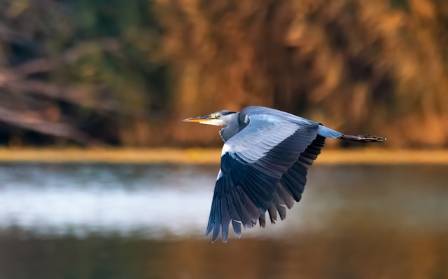
The classification of avian species near the ocean—often categorized as seabirds, shorebirds, or waterbirds—can be quite fluid. For the purpose of understanding these remarkable creatures, we use the term "seabird" as a broad category to explore the fascinating biological adaptations and lifestyles that allow them to thrive in maritime environments.
COVER · en

Michelin star dessert recipes
Dessert is often the moment that truly defines a memorable meal. Whether you’re hosting a special dinner or simply want to impress your guests, finishing with a refined, beautifully crafted sweet can elevate the entire experience. Drawing inspiration from top chefs is a great way to bring a touch of fine dining into your own kitchen.
COVER · en

The Remarkable Impact of Indoor Plants on Psychological Wellness
Cultivating a private collection of indoor greenery serves as an accessible and highly effective strategy for elevating daily psychological health. A vast body of scientific literature confirms that integrating living flora into residential and occupational environments yields profound psychological rewards, including a measurable decline in tension, a heightened sense of joy, sharpened mental clarity, and a mitigation of anxious feelings. Rather than acting as mere aesthetic ornamentation, these living organisms function essentially as a natural support system for human neurological wellness.
COVER · en
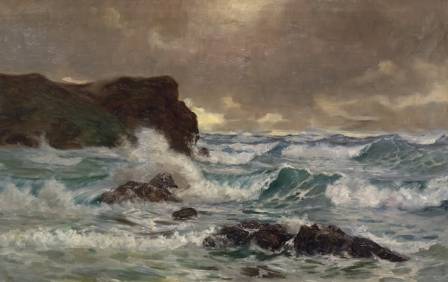
Mastering Coastal Scenery: A Guide to Atmospheric Painting
Capturing the essence of a coastal environment requires a focus on lighting effects and the subtle nuances of the atmosphere. This demonstration explores how to depict a seaside vista inspired by the rugged shores of Wellington, New Zealand. The techniques described are versatile and can be applied effectively using either oil or acrylic paints.
COVER · en

5 Positive Impacts of Companion Animals on Human Health
Interacting with companion animals, spanning various species such as dogs, cats, rabbits, rodents, horses, fish, birds, reptiles, and amphibians, offers a multitude of physical and mental health benefits for individuals. The close interconnection between animal and human health is encapsulated in the concepts of 'One Health' and 'One Welfare,' where animals are recognized as promoters and forecasters of human well-being.
COVER · en
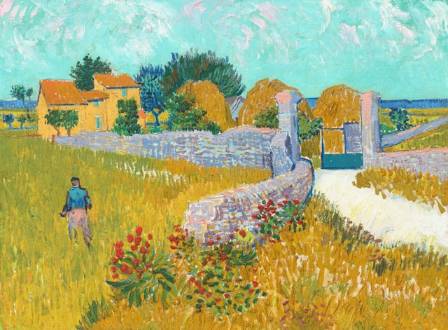
Most Beautiful Depictions of Harvest in Art
Here in Wales, the leaves are turning and beginning to drift from the trees. The final fruits and vegetables have been gathered, and the evenings are growing longer and darker. According to the pagan calendar, the Autumn Equinox and Samhain are now behind us. It is an ideal time to reflect on the year’s harvest—whether in a literal, spiritual, or emotional sense. Here are several renowned artworks celebrating the harvest to inspire you.