Shelf read
Mastering Coastal Scenery: A Guide to Atmospheric Painting
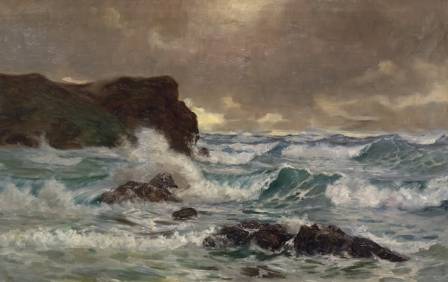
Capturing the essence of a coastal environment requires a focus on lighting effects and the subtle nuances of the atmosphere. This demonstration explores how to depict a seaside vista inspired by the rugged shores of Wellington, New Zealand. The techniques described are versatile and can be applied effectively using either oil or acrylic paints.
William Harrington
Library note
Reading tip
The full chapter continues below on the soft reading shelf.
Stack
Pocket Library
Capturing the essence of a coastal environment requires a focus on lighting effects and the subtle nuances of the atmosphere. This demonstration explores how to depict a seaside vista inspired by the rugged shores of Wellington, New Zealand. The techniques described are versatile and can be applied effectively using either oil or acrylic paints.
Strategic Composition and Planning
The primary goal of this arrangement is to convey a sense of atmosphere, with the focal point centered on a sun-drenched section of the mid-ground headland. Secondary visual interest is provided by the distant hills and a group of seagulls. To ensure the foreground headland has sufficient presence, the horizon line is positioned high within the frame. A helpful artistic guideline is to avoid placing the horizon exactly in the center, as an asymmetrical placement creates a more dynamic and visually pleasing result.
Before applying paint to the surface, it is vital to organize the layout. Whether utilizing traditional pencil sketches or modern digital tools, planning the composition beforehand allows for a more structured and confident approach to the final work.
Essential Palette and Tools
To achieve the natural tones of a seaside landscape, a specific selection of colors is required. The palette includes Titanium White, Burnt Sienna, Yellow Ochre, Cadmium Yellow, Cadmium Red Light, Alizarin Crimson, Ultramarine Blue, and Phthalo Green.
The application of these colors relies on a variety of brushes. Flat brushes of various sizes (No. 2, 3, and 5) are excellent for broader strokes, while filberts and dagger brushes provide flexibility for organic shapes. For the most intricate details and highlights, small round brushes (No. 0 and 1) are indispensable.
Establishing the Initial Block-In
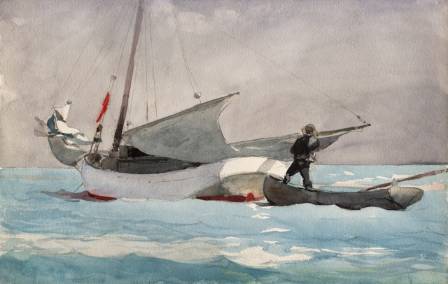
The process begins on a medium-weave linen panel primed for oil. The initial layout is sketched using a round brush and Burnt Sienna thinned with a medium to accelerate drying. The first priority is to identify and establish the dark values and shadows. Value refers to the degree of lightness or darkness; in a landscape, the most extreme contrasts appear in the foreground, while distant landforms exhibit a narrower range of values as they recede.
Shadows for the clouds and the distant terrain are created by blending Ultramarine Blue, Burnt Sienna, Alizarin Crimson, and Titanium White. As the scene moves toward the viewer, the shadows deepen, requiring less white. In the immediate foreground, a touch of Yellow Ochre is added to the blue mix to give the shadows a subtle green tint, marking the darkest points of the composition.
Once the dark foundation is set, work progresses to the illuminated areas, starting with the sky and clouds. The sky is rendered with a mix of Ultramarine Blue, Phthalo Green, and white, while cloud highlights are softened with a hint of Burnt Sienna to maintain a natural look.
Refining Vegetation and Water
For the sunlit greenery on the distant headland, the greens should remain desaturated and light in value. As the vegetation moves into the mid-ground, a more vibrant mix of Yellow Ochre, Ultramarine Blue, Cadmium Yellow, and Titanium White is used. Adding a tiny amount of Cadmium Red helps harmonize these greens. Areas falling under cloud shadows require a cooler, muted green palette.
The sea is constructed using a base of Ultramarine Blue, Yellow Ochre, and Phthalo Green. To depict breaking waves and the movement of water closer to the shore, the intensity of the blue and green is increased. The blocking-in phase concludes by painting the cliffs and beaches using earthy combinations of Yellow Ochre, Alizarin Crimson, and Burnt Sienna.
Detailing and Final Highlights
After the initial layers have dried, the focus shifts to modeling and refinement. This involves building up texture in the vegetation and sharpening the definitions of the sky and ocean. The same colors from the previous stage are used, but they are applied in thinner, more deliberate layers to create depth.
The final stage involves adding the brightest highlights and smallest details. A dagger brush is used to suggest features like footpaths along the cliffs or the sharp edges of rocks. The churning "white water" around the shoreline is painted with a mix of Titanium White and a dash of Yellow Ochre to avoid a flat, artificial appearance. Finally, adding a few seagulls provides a sense of scale and life, completing the atmospheric coastal scene.
COVER · en

Moss-backed Tanager
The Moss-backed Tanager is a classic member of the chunky-bodied Bangsia tanager group. It has a relatively large head covered in violet-blue feathers, which creates a strong contrast with its mostly muted green body. A bright yellow patch in the center of the upper breast adds another distinctive feature to its appearance.
COVER · en
The 2025 Ranking: Top 10 Global Wealth Capitals
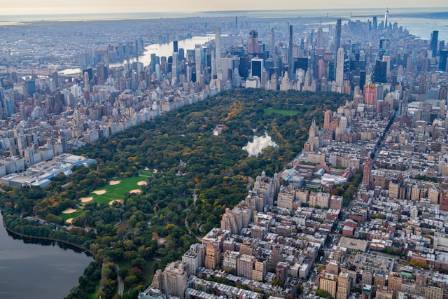
Topping the list, the "financial capital of the world" is home to over 340,000 HNWIs and holds more than $3 trillion in private wealth. Anchored by Wall Street and a relentless real estate market, its status is unassailable.
COVER · en

Whispers of the Cosmos
On clear nights, when the sky is a canvas of stars, a fleeting streak of light may catch your eye. These are shooting stars, or meteors, and though they blaze across the sky in silence, they carry tales from the cosmos. Each flash is a brief messenger from the universe, sharing stories of cosmic events, ancient origins, and the intricate dance of celestial bodies.
COVER · en

2025 Men’s Business Casual Guide: 14 Styles & Essential Rules for the Modern Workplace
Business casual remains one of the most misunderstood yet ubiquitous dress codes in men’s fashion—an oxymoron that balances professionalism with comfort, formality with personality. Coined as a middle ground between stiff suits and overly casual loungewear, it has evolved dramatically since its Silicon Valley origins in the 1980s, adapting to shifting workplace cultures, remote work trends, and the blurring lines between office and off-duty style. In 2025, business casual is less about rigid rules and more about intentionality: dressing appropriately for your industry while embracing pieces that reflect your personal taste. Whether you work in a creative startup, a traditional law firm, or a hybrid office, this guide breaks down the key pieces, styling tips, dos and don’ts, and FAQs to help you master business casual with confidence—proving that you don’t have to sacrifice style for comfort, or professionalism for individuality.
COVER · en
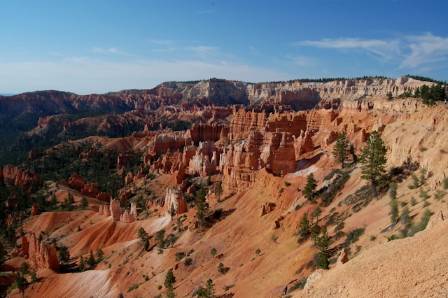
Red Rock Canyon
One of the most spectacular destinations in southern Nevada, Red Rock Canyon attracts both local residents and travelers from around the world. Known for its dramatic red cliffs, towering sandstone formations, and ancient Native American rock art, this breathtaking desert landscape welcomes nearly two million visitors every year.
COVER · en

The Health Benefits of Pickleball: Why America’s Fastest-Growing Sport Is Perfect for Aging Well
Pickleball has cemented its status as America’s fastest-growing sport over the past four years, with a staggering 311 percent growth rate in the last three alone, according to the Sports and Fitness Industry Association. Blending elements of tennis, badminton, and table tennis, this accessible racket sport is played on a smaller court with a lightweight paddle and perforated plastic ball, making it inviting to players of all ages—especially older adults, who constitute the second-largest age bracket at 15 percent of participants. Beyond its reputation as a fun, social pastime, pickleball offers a wealth of physical and mental health benefits that address key concerns for aging populations, from heart health and mobility to cognitive function and emotional well-being. Its low barrier to entry, gentle learning curve, and competitive yet supportive community have made it more than just a sport; it’s a lifestyle that encourages consistent activity and social connection.