Shelf read
The Familiar Wild Duck of the Northern Hemisphere
Mallard ducks are among the most common and recognizable wild ducks throughout the Northern Hemisphere. They thrive in a wide range of freshwater habitats, including ponds, marshes, streams, rivers, and lakes.
Nessa Beaumont
Library note
Reading tip
The full chapter continues below on the soft reading shelf.
Stack
Pocket Library
Mallard ducks are among the most common and recognizable wild ducks throughout the Northern Hemisphere. They thrive in a wide range of freshwater habitats, including ponds, marshes, streams, rivers, and lakes.
These highly adaptable birds eat many different types of food, including aquatic vegetation, small invertebrates, fish, and insects. Mallards belong to the dabbling duck group, which means they generally feed at or near the water’s surface instead of diving beneath it. They commonly lean forward in the water with their heads underwater while their tails and feet remain above the surface. They also regularly leave the water to graze and forage on land.
Appearance
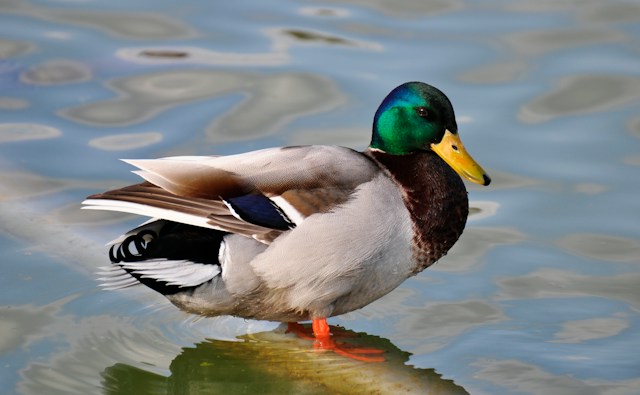
Male mallards, called drakes, are well known for their distinctive and colorful plumage. Their heads have a glossy emerald-green color, while a thin white ring surrounds the neck. Below this is a rich reddish-brown chest.
Female mallards are considerably less brightly colored than males. Their plumage consists mainly of mottled shades of brown, providing effective camouflage while they build nests, incubate eggs, and care for their offspring.
Feathers and Molting
Mallards have specialized feathers that help prevent water from penetrating their plumage. Near the base of the tail is an oil-producing gland that supplies an oily substance, which the birds distribute across their feathers during regular grooming.
Beneath the outer layer of water-resistant feathers lies a layer of soft down. These fluffy feathers trap warm air close to the body, helping mallards retain heat and regulate their temperature.
As with many other birds, mallards periodically shed and replace old feathers. Their flight feathers are molted twice each year. While these important feathers are being replaced, mallards temporarily lose their ability to fly until the new feathers have fully developed.
Migration and Flight
Mallards commonly move in groups known as flocks. When undertaking seasonal migrations, they often travel in the familiar V-shaped formation used by many other migratory birds.
As winter arrives, numerous mallards head south in search of milder weather and more reliable food sources. During their seasonal movements, they frequently return to the same resting locations from one year to the next.
While migrating, mallards use features of the natural landscape to assist with navigation. Rivers, coastlines, valleys, and other geographical features can serve as visual guides as they travel across long distances.
Breeding and Ducklings
Female mallards generally construct their nests on the ground close to water. Nest sites may include shallow hollows, areas concealed by vegetation, and, in some cases, cavities within trees.
A female can lay as many as 12 eggs. To keep the eggs warm and help conceal the nest, she lines and covers it with soft down feathers pulled from her own body.
After emerging from their eggs, mallard ducklings develop rapidly. Their eyes open shortly after hatching, and in a little more than a day, they can already walk, swim, and begin finding food on their own.
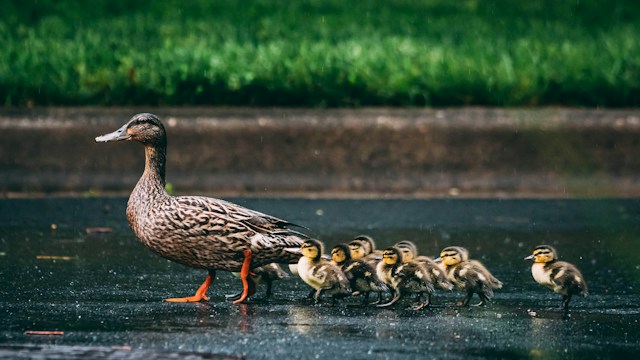
Young mallards usually spend less than a month in the nest. A collection of ducklings from the same mother is called a brood. Once they leave the nest, the young remain close to their mother for safety and often travel behind her in a neat single-file line while moving across land or water.
COVER · en
Ten Tremendous Facts That Prove Sea Turtles Are Absolute Wonders of the World
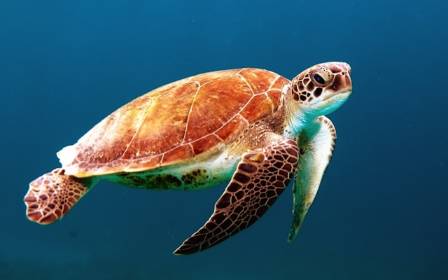
Marine reptiles are truly extraordinary creatures that inhabit our oceans. They inspire people across the globe with their ancient history and unique lifestyles. These ocean dwellers live peacefully throughout diverse marine environments. They possess a natural talent for navigating vast underwater worlds. Yet many people do not realize the hidden secrets behind their survival. This diverse family of reptiles holds many fascinating biological traits.
COVER · en

9 Amazing Secrets of Snowy Mountain Ranges
Snowy mountain landscapes are far more than just stunning scenic spots. They generously supply pure water resources for nature and human communities, shelter one-of-a-kind highland wildlife, and offer fun and exciting outdoor activities including snow sports and peak hiking. These wonderful natural landforms effectively stabilize global climate conditions and spark endless creative ideas for creators with their grand and elegant scenery. Serving as nature’s high-altitude water storage systems, melting snow on mountain tops feeds countless rivers and streams on Earth. These highland areas are also habitats for rare alpine creatures and unique plants, bringing diverse and thrilling outdoor challenges for adventure lovers of all ages.
COVER · en
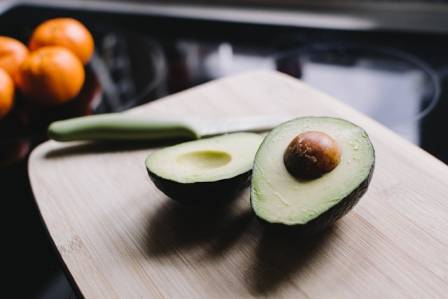
Dressed Up Avocados
In this easy yet stunning dish, avocados are the star. Lightly seasoned with fresh lemon juice and extra virgin olive oil, they’re enhanced with kosher salt, cracked black pepper, chopped herbs, and a touch of diced tomato.
COVER · en
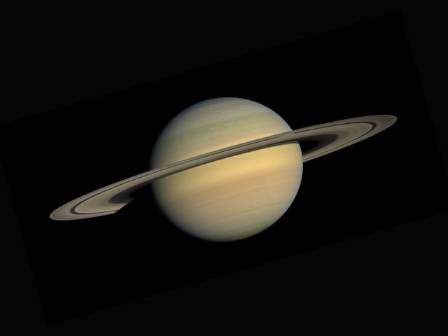
Defining the Nature and Classification of Planets
The term "planet" originates from the Greek word planētes, which translates to "wanderers." In a broad scientific sense, a planet is a substantial natural satellite that revolves around a star, such as our Sun, but does not generate its own light through internal nuclear fusion. Beyond this basic description, the scientific community often applies specific criteria regarding an object's dimensions, mass, and physical form to distinguish it from smaller celestial debris.
COVER · en

Top 10 Outstanding Compact Electric Vehicles of 2025
Compact battery-powered cars are far more than eco-conscious choices — they’re designed to streamline daily routines, cut expenses, and bring unexpected joy to every drive. Gliding through urban streets without engine noise or dodging sky-high fuel costs, these vehicles are perfectly suited to modern lifestyles. Packed with fast-charging capabilities, intelligent technology, and surprisingly spacious interiors, today’s small EVs offer performance that belies their compact dimensions.
COVER · en
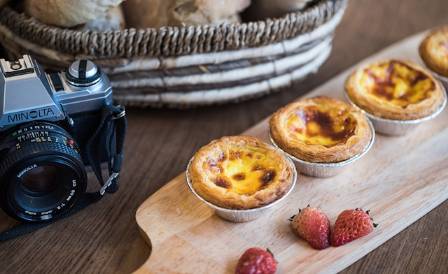
Essential Techniques for Mastering Homemade Egg Tarts
While various types of egg tarts exist globally, the Hong Kong-style tart, or daan tat, is distinct for its smooth, glassy appearance and delicate flavor. Unlike the caramelized, yolk-heavy Portuguese pastéis de nata, the Hong Kong version uses whole eggs and milk to create a lighter custard that remains unblemished after baking. Understanding these nuances is the first step toward replicating the authentic bakery experience in your own kitchen.