Shelf read
Huangshan Mountain In The Winter
Huangshan Mountain is widely regarded as one of the most breathtaking destinations in the world for hiking and photography, even during the coldest months of winter.
Charles Whitmore
Library note
Reading tip
The full chapter continues below on the soft reading shelf.
Stack
Pocket Library
Huangshan Mountain is widely regarded as one of the most breathtaking destinations in the world for hiking and photography, even during the coldest months of winter.
This photograph captures a small temple located at the base of the mountain, close to the parking area. I took this image just before leaving Huangshan after spending three unforgettable days exploring the mountain’s famous peaks, trails, and landscapes.
The journey was both physically demanding and deeply inspiring. Hiking through the dramatic scenery of Huangshan was one of the most memorable and rewarding adventures I have ever experienced.
The Memories Behind the Image
This photograph contains many rich textures, which often makes me consider converting an image into black and white during my editing process. However, this particular scene had a subtle beauty in its soft and restrained colors, so I decided to preserve and explore that atmosphere.
Through some gentle adjustments on my computer, I shifted the tones toward a darker, more nostalgic vintage style. I feel that this approach reflects the emotions I experienced while saying goodbye to such a remarkable place.
The Best Time to Visit Huangshan Mountain
I visited Huangshan around my birthday in late January, which meant experiencing the mountain in the heart of winter. The weather was completely different from what I would normally encounter at the same time of year in Melbourne, where I currently live.
Like many world-famous natural attractions, Huangshan welcomes millions of visitors annually. During peak seasons, the narrow mountain paths and steep viewpoints can become crowded, making photography with a tripod difficult.
For photographers hoping to work patiently and capture carefully composed images, the busy periods can present some challenges.
Exploring Huangshan During Winter
One of the main reasons I chose to visit Huangshan in the off-season was the peaceful atmosphere and the freedom to set up my tripod without disturbing other visitors.
Although some routes were temporarily closed because of heavy snowfall, most trails remained accessible. Dedicated workers regularly cleared ice and snow from the paths during the day, helping visitors move safely through the mountains.
Some higher sections of the trail became slippery, especially early in the morning, so extra care was necessary. Fortunately, the hike went smoothly overall. The only minor difficulties came when I occasionally had to slide down a few steps on my backside because of icy conditions.
I would love to return to Huangshan again. While exploring the mountain in another season would provide a different experience, another winter visit would also be something I would happily consider.
The Meaning Behind the Name Yellow Mountain
In Chinese, “Huang” means yellow and “shan” means mountain. Since the color yellow represents happiness and good fortune in Chinese culture, the name Yellow Mountain feels especially fitting for this extraordinary natural landscape in eastern China.
The surname Huang is also one of the most common family names in China, further reflecting how deeply connected the idea of happiness is within Chinese culture.
What to Photograph on Huangshan Mountain
The photograph represents the kind of scenery you can encounter while walking along the quiet and winding paths that cross Huangshan Mountain.
The landscape is often defined by three major natural elements:
Trees
Rock formations
Snow and mist
During my three days on Huangshan, clear blue skies appeared only briefly. Most of the time, the mountain was covered by clouds and mist.
However, this soft, diffused light created excellent photographic conditions. The cloud cover reduced harsh shadows and made it easier to capture balanced exposures.
Although the lack of sunlight resulted in a more subdued color palette, Huangshan’s dramatic scenery continued to provide incredible photographic opportunities at every turn.
Will I Visit Huangshan Again?
I am already looking forward to my next journey to Huangshan Mountain. Although every season offers something special, my winter experience proved that visiting without large crowds can make exploring this incredible landscape even more enjoyable.
The combination of peaceful trails, snow-covered peaks, misty forests, and unique natural formations made winter an unforgettable time to experience Huangshan.
For anyone planning a winter trip to China, Huangshan is a destination worth considering, especially for those who want to combine adventure, hiking, and photography in one extraordinary location.
COVER · en

Navigating the Rich and Complex Landscape of Modern Coffee Culture
Step into any contemporary coffee house, and the sheer volume of choices displayed on the menu board can immediately induce a sense of decision paralysis. The modern beverage landscape has expanded dramatically, leaving many individuals puzzled by the nuanced differences between various selections. The truth is that the vast majority of these specialized drinks are simply clever variations of a foundational blueprint, altered only by subtle shifts in ingredient ratios and preparation techniques. Furthermore, the ultimate flavor profile that lands in your cup is heavily dictated by the geographic origin of the crop and the precision of the roasting process, meaning that even identical recipes can yield entirely different sensory experiences.
COVER · en
Why Flamingos Stand on One Leg: The Science Behind Nature’s Most Graceful Adaptation
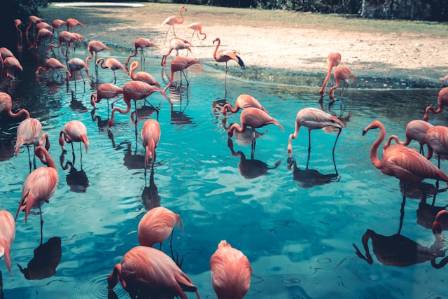
Few creatures embody the elegance of the natural world like the flamingo. With their vivid pink plumage, sinuous S-shaped necks, and iconic one-legged stance, these wading birds have captivated human curiosity for millennia. Found across the Americas, Africa, Asia, and Europe, the six species of Phoenicopteridae family thrive in shallow lakes, lagoons, and coastal wetlands, where they gather in massive flocks that paint the water’s surface with strokes of rose and coral. Their distinctive coloration, a result of carotenoid-rich diets of algae, brine shrimp, and aquatic invertebrates, is just one of their many remarkable adaptations. Yet none is more puzzling—or more fascinating—than their habit of standing on a single slender leg for hours on end, often while resting or feeding. This behavior, observed in flamingos of all ages and species, is far from a mere quirk; it is a masterclass in evolutionary engineering, shaped by millions of years of natural selection to solve critical biological challenges. In this exploration, we unravel the scientific mysteries behind this graceful posture, from energy efficiency to temperature regulation, and discover how it has become a cornerstone of the flamingo’s survival.
COVER · en

Master the Art of Drawing Water: Techniques for Ripples, Reflections, and Splashes
Capturing the essence of water in a pencil drawing is a skill that relies on a few fundamental optical principles. Whether you are illustrating a serene lake or a violent ocean spray, understanding how light interacts with liquid is the key to authenticity.
COVER · en

Handcrafted Holiday Decor: Creative DIY Christmas Tree Ornaments
Transforming your home for the festive season doesn't have to break the bank. After noticing how expensive store-bought decorations have become, the challenge of creating a fully handmade Christmas tree is both rewarding and environmentally friendly. By repurposing common household items, thrifting, and recycling materials like paper, cardboard, and raffia, you can produce a stunning array of unique ornaments. There is a special kind of pride that comes from stepping back to admire a beautifully decorated tree and knowing you crafted every single piece yourself.
COVER · en

The Downsides of Consuming Soft Drinks
Soft drinks are a staple in many diets, especially in the United States, where annual consumption exceeds 13 billion gallons. These beverages often include ingredients like carbonated water, sweeteners (such as sugar or high-fructose corn syrup), various acids, sodium, and a significant amount of calories. While they may be popular for their taste and convenience, soft drinks come with a host of health drawbacks—particularly when consumed regularly in place of more beneficial fluids like water or herbal teas.
COVER · en

How Coastal Deposition Forms Wonderful Sandy Beaches Across Our Shorelines
Coastal landscapes feature unique geographical areas known as beaches, which develop through the steady accumulation of sediment in the zones fluctuating between the daily high and low tides. These landforms typically emerge within protected environments such as inlets or sheltered coastal pockets nestled safely between prominent headlands. Whenever a significant alteration in the shape of the shoreline occurs, it slows down moving water, allowing various sediments to become trapped and gradually accumulate over long periods. When these sandy accumulations happen specifically at the innermost curve of a bay, geographers refer to them as bay head beaches.