Shelf read
How to Grow and Care for Asparagus Fern
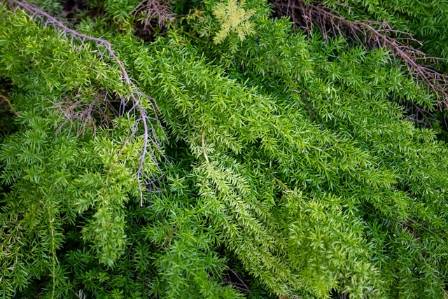
Asparagus fern (Asparagus densiflorus), also commonly called foxtail fern, belongs to the Asparagaceae family. Despite its name, it is not a true fern. This attractive plant is loved for its vivid green, soft-looking, feathery foliage and its easy-growing nature.
Emma Wallace
Library note
Reading tip
The full chapter continues below on the soft reading shelf.
Stack
Pocket Library
Asparagus fern (Asparagus densiflorus), also commonly called foxtail fern, belongs to the Asparagaceae family. Despite its name, it is not a true fern. This attractive plant is loved for its vivid green, soft-looking, feathery foliage and its easy-growing nature.
In USDA hardiness zones 9 through 11, asparagus fern can survive outdoors as a spreading groundcover, forming creeping growth in warm climates. In cooler areas, it is often grown as a houseplant and appreciated for its decorative appearance indoors.
When growing conditions are ideal, asparagus fern may produce small white flowers followed by red berries. These berries can be mildly poisonous if eaten by cats or dogs.
Asparagus Fern Growing Requirements
Asparagus fern is relatively simple to care for when its basic needs are met.
It grows best in partial shade with rich, moist, and well-draining soil.
The plant prefers warm and humid environments, with regular watering to maintain consistent soil moisture.
A balanced liquid or water-soluble fertilizer can encourage healthy growth.
The ideal temperature range is around 70°F during the day and should not regularly fall below 55°F.
Light Requirements
Asparagus fern naturally grows beneath taller plants in tropical environments, so it prefers filtered or indirect light. It can tolerate some brighter conditions after gradual adjustment, but strong direct sunlight should be avoided because it may burn the delicate foliage.
A location with bright indirect light or light shade is usually the best choice for indoor plants.
Soil Needs
For container growing, asparagus fern requires loose, lightweight, and well-draining potting soil that can hold moisture without becoming waterlogged.
When planted outdoors, it performs best in fertile soil with good drainage and a slightly acidic pH between 6.5 and 6.8.
Because the plant dislikes standing water, containers should always have drainage holes to prevent root problems.
Watering Requirements
Asparagus fern enjoys moisture and humidity, but the soil should never remain constantly saturated.
Outdoor plants should be watered regularly, especially during dry periods, to prevent the soil from completely drying out. Checking the top inch of soil can help determine when watering is needed.
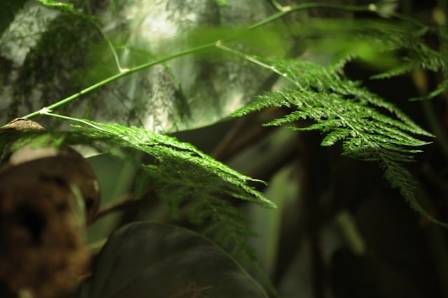
Indoor plants may require more frequent misting, especially during winter when heating systems create dry air. Regular misting around the arching stems can help maintain the humidity level the plant prefers.
Temperature and Humidity
Being native to tropical areas, asparagus fern thrives in warm temperatures and high humidity.
Try to maintain temperatures close to 70°F and avoid prolonged exposure to temperatures below 55°F. Sudden temperature changes can cause the plant’s delicate cladodes to drop.
Bathrooms, greenhouses, or other naturally humid areas are excellent locations for this plant. Low humidity may lead to brown tips or leaf loss.
Fertilizing Asparagus Fern
During the growing season, asparagus fern benefits from regular feeding.
Use a liquid or water-soluble all-purpose fertilizer diluted to half strength. In spring, fertilizing once a month is usually enough. During summer, container-grown plants may require more frequent feeding, while outdoor plants generally need less.
Popular Types of Asparagus Fern
Asparagus Fern ‘Myeri’
Also known as foxtail fern, this variety develops thick, upright stems covered with dense, fluffy foliage.
Asparagus Fern ‘Sprengeri’
Often called asparagus emerald fern, this type produces long stems with a full, spreading growth habit and soft, cloud-like appearance.
Asparagus Fern ‘Sprengeri Compacta’
This cultivar has similar characteristics to ‘Sprengeri’ but remains smaller and more compact.
Asparagus Fern ‘Nana’
A compact variety with bright green foliage that works well in smaller spaces.
Foxtail Fern
This popular variety features thick, upright stems covered with needle-like leaves, creating a plush texture that is frequently used in floral arrangements.
Reasons to Grow Asparagus Fern
Asparagus fern is a great choice if you are looking for a low-maintenance indoor plant.
It works well for homes with limited natural light because it can adapt to lower-light environments.
It is also a good option for households without pets or for areas where pets cannot reach the plant because its berries may be harmful if consumed.
Pruning Asparagus Fern
Asparagus fern grows quickly and may add several inches of growth in a short period. When trimming, always cut stems at the base rather than cutting through the middle of a stem.
Avoid removing more than one-third of the plant at one time. Use clean scissors or pruning shears to remove brown growth, damaged sections, or older foliage.
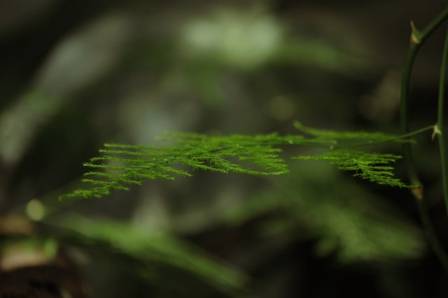
The green “leaves” are actually flattened structures called cladodes. The plant’s true leaves are tiny scale-like structures located near the base of these cladodes.
Although the foliage looks delicate, older plants can have sharp growth points, so wearing gardening gloves while pruning is recommended.
Propagating Asparagus Fern by Division
The easiest way to create new asparagus fern plants is by dividing the root system.
First, carefully dig up the entire plant or remove it from its container. Wear gloves because the roots and stems may have sharp parts.
Separate the root clump into smaller sections, making sure each division contains healthy roots and part of the crown with new shoots.
Replant each section into fresh soil or separate containers. Keep newly divided plants in a shaded area until new growth appears.
Growing Asparagus Fern from Seeds
Seeds come from the small red berries produced by mature plants.
Once the berries fully ripen, crush them and separate the small seeds inside. Each berry usually contains one to three seeds.
Before planting, lightly scarify the seeds and soak them overnight. Place them on the soil surface because they need light to germinate.
Germination may take several weeks. Once seedlings develop true leaves, they can be moved into larger containers.
Potting and Repotting Asparagus Fern
Asparagus fern grows rapidly, and its thick underground roots can quickly fill containers or even crack pots.
Use a loose, well-draining potting mixture and plan to repot regularly when the roots become crowded.
During repotting, divide large root masses into smaller sections if desired. Place each section into a new container with fresh soil and water thoroughly after planting.
Winter Care for Asparagus Fern
When outdoor temperatures begin dropping below 55°F, container-grown asparagus ferns should be moved indoors.
Place them in a bright location away from cold drafts, heaters, and radiators. Keep the soil slightly moist but avoid leaving the roots sitting in water, as excessive moisture can cause root rot.
In warmer climates, asparagus fern can remain outdoors year-round as long as it receives partial shade. Too much direct sunlight may scorch or fade the foliage.
Common Pests and Diseases
Asparagus fern can occasionally attract pests such as spider mites, aphids, whiteflies, and mealybugs. Insecticidal soap can help control these problems.
Overwatering and constantly wet soil may lead to root rot, so proper drainage and careful watering are important.
Signs of spider mites include fine webbing, yellowing leaves, spotted foliage, and tiny white specks on the plant.
Common Problems with Asparagus Fern
Yellow Leaves
Yellowing foliage may occur because of pests such as spider mites or mealybugs, insufficient light, or improper fertilization.
Too much fertilizer can also cause yellow leaves, so reducing feeding frequency may help restore the plant’s health.
Brown Leaves
Brown, dry foliage is often a sign of underwatering or low humidity.
Remove damaged sections and increase watering frequency while maintaining proper drainage.
Falling Leaves
One common issue with asparagus fern is dropping foliage, which can leave small dried pieces around the home.
This usually happens because of inconsistent watering. Although the plant does not like soggy soil, allowing it to dry out too much can cause leaf loss. Regular watering and occasional misting can help prevent excessive shedding.
COVER · en
Hosta Plantaginea: A Shade Garden Favorite
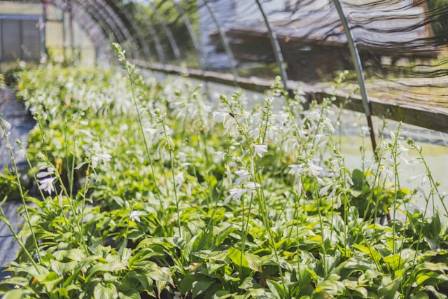
Hosta plantaginea is a perennial flowering plant belonging to the Asparagaceae family and the Hosta genus. It is commonly known by names such as Plantain Lily, Fragrant Hosta, Jade Hairpin, White Crane Flower, and White Jade Lily.
COVER · en

Unlocking the Power of Beauty: A Path to Empowerment
The beauty industry often finds itself at the center of controversy. Media frequently highlights its negative aspects, yet in the pursuit of critique, have we perhaps overlooked the profound positivity that beauty can bring? While the industry is far from perfect, beauty represents more than skin-deep aesthetics. For countless women across the globe, it signifies a wellspring of confidence, empowerment, and a vehicle to express one's authentic self. They don't call it "beauty therapy" for nothing, for it indeed fosters a sense of well-being and personal empowerment.
COVER · en

Which chair is good for your back?
A comfortable and supportive chair plays an important role in maintaining your overall comfort and health. Whether you are working in an office, studying at home, or simply relaxing, having the right seating can make a major difference.
COVER · en
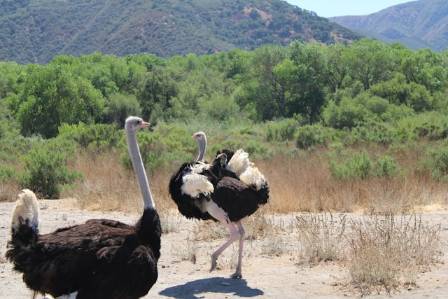
5 Fascinating Facts About the Ostrich: The World’s Largest Flightless Bird
The ostrich (Struthio camelus) stands unrivaled as the largest and heaviest living bird on Earth, a towering icon of Africa’s savannas and arid landscapes. Belonging to the ratite family—a group of flightless birds characterized by flat breastbones—ostriches share their lineage with equally unique relatives like emus, cassowaries, rheas, and kiwis, each adapted to thrive in distinct corners of the globe. In recent decades, taxonomic research has led authorities to classify the Somali ostrich (Struthio molybdophanes), native to the dry regions of East Africa, as a separate species from the common ostrich found across sub-Saharan Africa. Beyond their imposing size, ostriches hold a host of remarkable records and evolutionary quirks that set them apart from all other avian species. Below are five captivating facts that shed light on these extraordinary birds.
COVER · en

Reindeer in Lapland — Santa Claus Reindeer Insights
The reindeer around Lapland are Rangifer tarandus tarandus, a semi-domesticated reindeer derived from mountain reindeer.
COVER · en

How to Style a Minimalist Table Light
Minimalist table lamps focus on shape, balance, and functionality rather than excessive decoration. Their beauty comes from clean silhouettes, thoughtful materials, and subtle details that enhance a room without overpowering it. Choosing the right minimalist lamp involves understanding materials, proportions, and how the light will function within your space. With the right styling approach, minimalist lighting can create a calm and sophisticated atmosphere throughout the home.