Shelf read
The Enigmatic World of Birdsong: Unraveling the Reasons Behind Their Melodious Chirps
A bird's song is a marvel to the ears of those who pause to listen. It heralds the approach of morning, acting as nature's alarm clock, and graces the peaceful moments of a stroll through the great outdoors. Yet, beyond their melodious notes lies a world of intricate purpose and survival strategy. Let's delve into the harmonious realm of avian serenades to understand why birds sing and the nuanced meanings concealed within their tunes.
Beckett Jasper
Library note
Reading tip
The full chapter continues below on the soft reading shelf.
Stack
Pocket Library
A bird's song is a marvel to the ears of those who pause to listen. It heralds the approach of morning, acting as nature's alarm clock, and graces the peaceful moments of a stroll through the great outdoors. Yet, beyond their melodious notes lies a world of intricate purpose and survival strategy. Let's delve into the harmonious realm of avian serenades to understand why birds sing and the nuanced meanings concealed within their tunes.
1. Singing for Territory
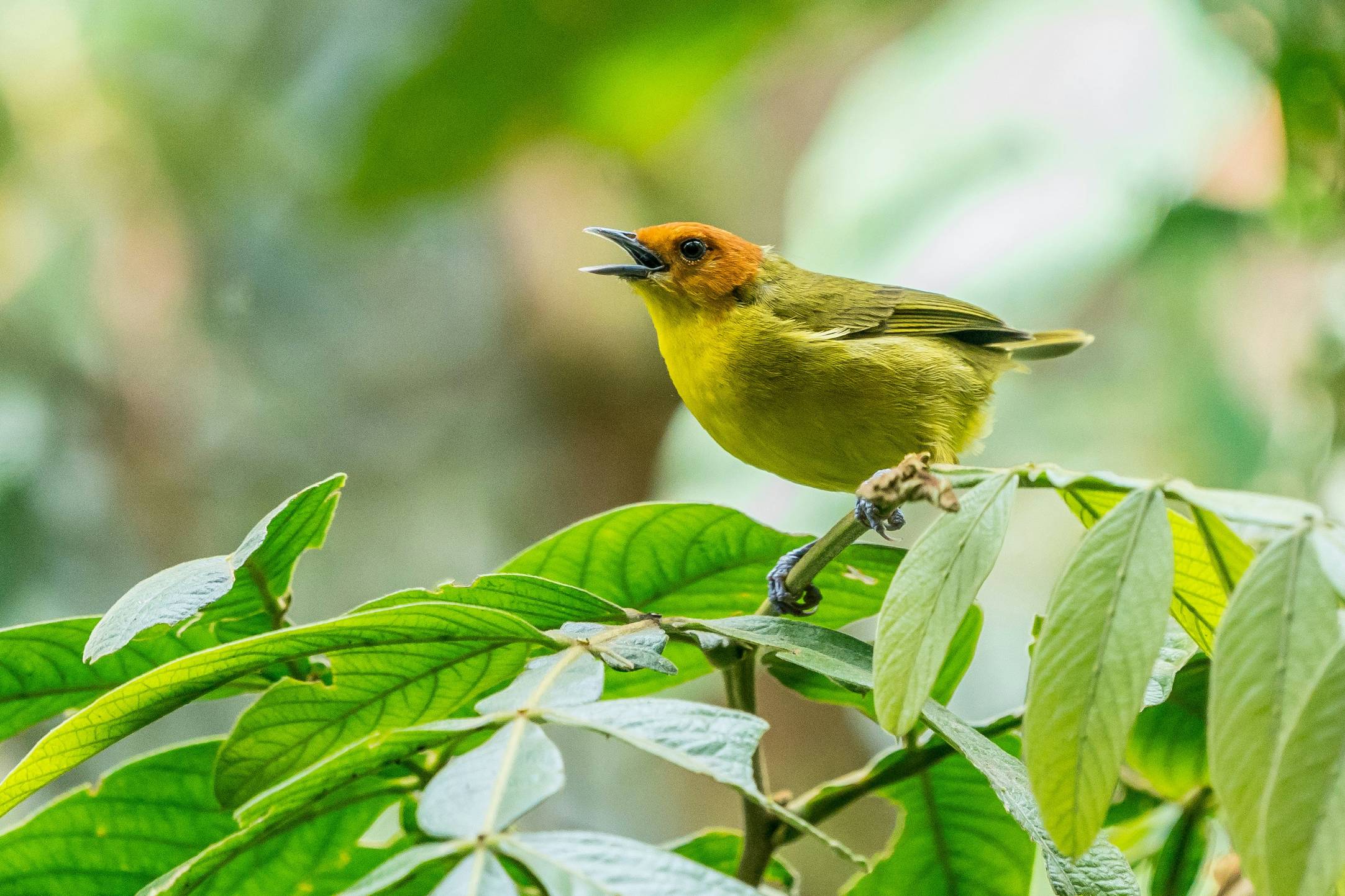
Birds employ their songs as territorial markers. These musical proclamations resonate primarily within their own species, signaling ownership and staking a claim on vital resources such as food, water, shelter, and nesting sites. The size of these territories varies among bird species, reflecting their distinct survival needs. Some thrive in close-knit communities, sharing certain portions of their domain, while others require larger, solitary expanses. The quality of the terrain also influences the size of these territories, with abundant resources reducing their footprint. Quality territory, as declared through song, enhances their chances of attracting potential mates.
2. Singing to Find Mates
Most singing birds are male, wielding a symphony of notes and sounds to display their prowess and captivate potential mates. However, exceptions abound, especially among tropical female birds renowned for their melodious voices. Songs serve as musical resumes, offering glimpses into their genetic fitness. Complex songs tend to be more alluring to females, showcasing the singer's ability to survive and thrive. Interestingly, birds learn these songs from their avian mentors and refine their melodies over time. The complexity of a song can reveal a bird's age and dominance within the avian hierarchy.
3. Singing During the Mating Process
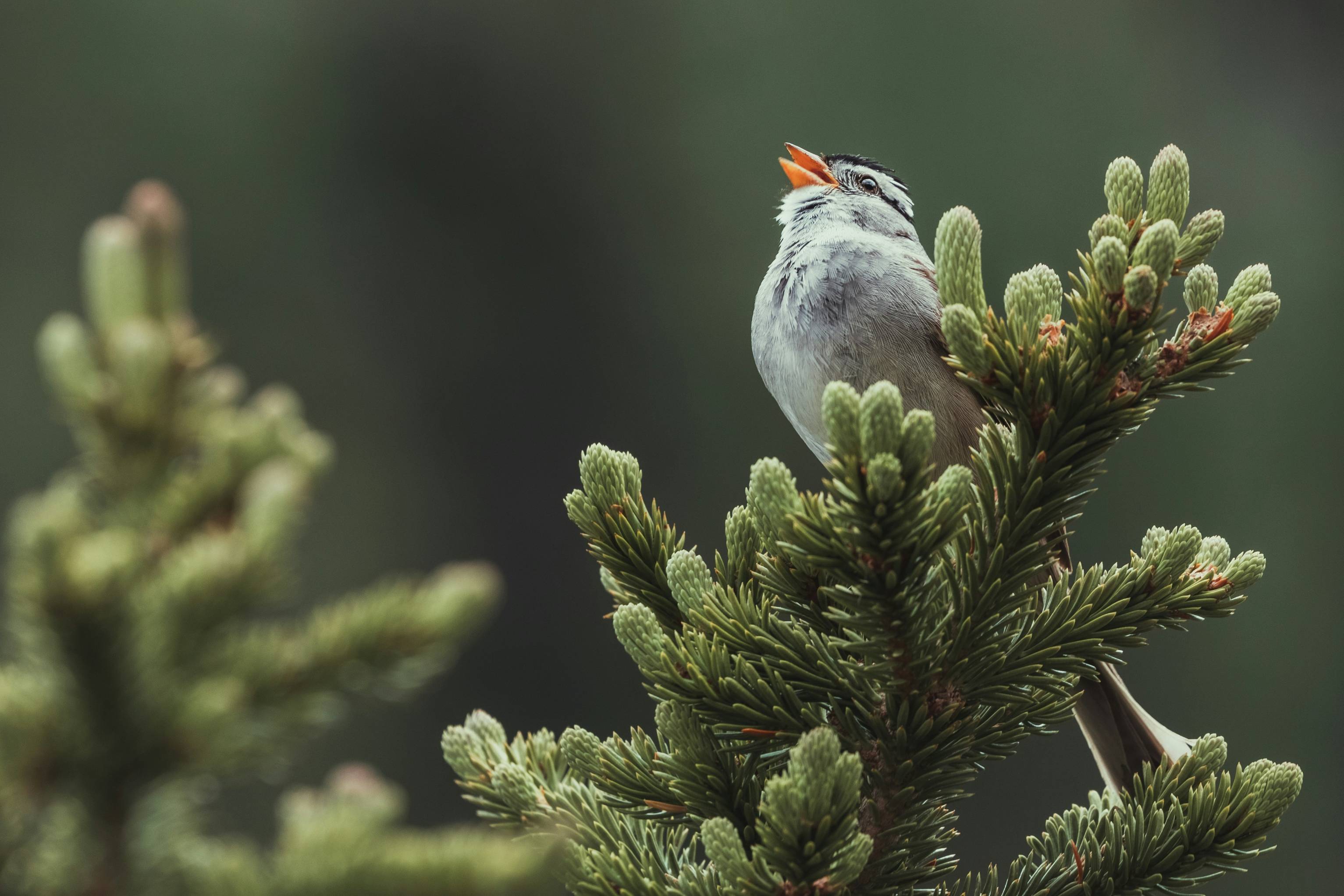
Birdsong ebbs and flows with the mating process. Some species sing vigorously during courtship, quietening down during nesting. Others, like the Robin, resound with song as their eggs near hatching. The evolution of songs aligns with their role in female mate selection, where intricate and appealing songs hold sway. As the mating season wanes, birds reduce their serenades, with some continuing to sing less intensely through winter.
4. Singing at Different Times of the Day
Birdsong evolves throughout the day, with dawn often resonating as the most intense and vibrant period. The dawn chorus carries the farthest due to the stillness and reduced interference of wind and noise. It is a time when birds not only advertise their presence but also assess the survival of neighbors. Birdsong continues throughout the day, with variations in intensity and tone. Nocturnal birds, such as owls and nightingales, serenade the night, guided by their active and territorial lifestyles.
5. Singing for Help
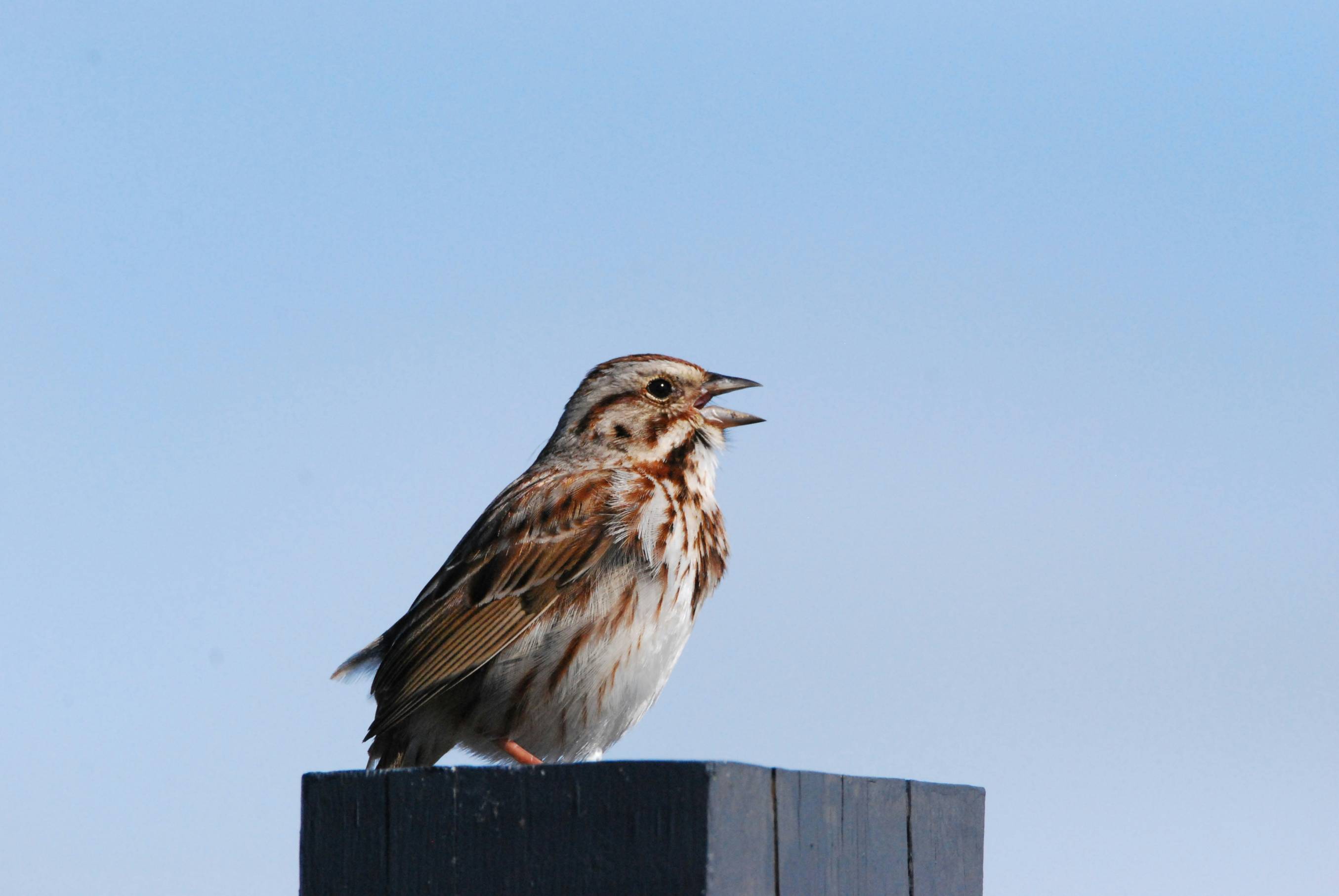
While not alarm calls, bird songs can serve as indicators of relative safety. Birds generally remain silent in the presence of predators, contributing to an overall sense of security in the immediate area. A sudden drop in song volume may signal approaching danger or disruptions like extreme weather or loud noises.
6. Singing for the Joy of It
The depths of bird song remain a mystery. Birds may sing for the sheer pleasure of it, enjoying the exploration of their vocal range and sound generation. They mimic other species, sometimes tricking them and even humans. Birds closer to urban environments may integrate human-made sounds into their songs. This recreational aspect of singing could potentially serve as a survival benefit, enhancing the complexity of their songs to attract more mates.
In Summation
Birds sing for a multitude of reasons, primarily related to territory and mating. The nuances within their songs convey different messages to other birds, adapting to the time of day and the specific species. Recognizing the intricate purpose of their songs enhances our appreciation of these avian serenades. One thing remains irrefutable: birds engage in meaningful communication through their melodious tunes, and their songs will forever grace our days and nights with enchanting melodies.
COVER · en
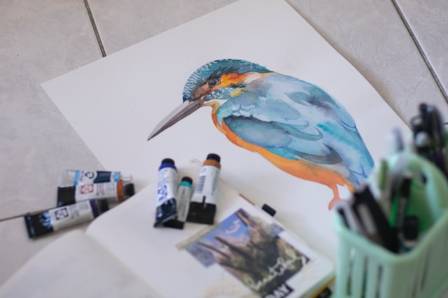
Cute and Easy Little Watercolor Birds
We all adore birds, and painting them can be a joyful experience, yet sometimes they feel tricky to capture and end up looking heavy or lifeless. Here’s a simple method to create charming, light, and airy watercolor birds with minimal effort and time. Watch the tutorial to see these delightful creatures in a fresh, whimsical way!
COVER · en

The Stoat – A “Furry Venomous Snake”
Among the various animal remains preserved in magical object collections, there are several heads and dried bodies of stoats (Mustela erminea, known as “kärppä” in Finnish). While it is easy to understand why large and powerful animals, such as bears, were considered valuable in traditional magic, the reason a small predator like the stoat was viewed as meaningful may seem less obvious.
COVER · en
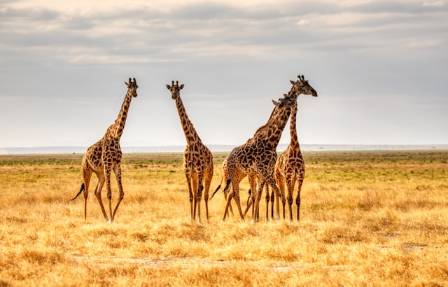
Little known facts about giraffe in the wild
To celebrate the upcoming World Giraffe Day, let’s explore some fascinating facts about giraffes and see how much you really know about these incredible animals. Did you know that a group of giraffes is called a tower? Have you ever heard that giraffes can make sounds similar to horses, cows, and even humans? Did you know World Giraffe Day is celebrated on June 21 because it often falls on the longest day of the year?
COVER · en

10 Charming Sitting Poses That Elevate Your Photos
When it comes to portraits, how you sit can completely transform the vibe of your picture. Whether snapping casual shots with friends or working with a professional photographer, knowing a few versatile poses helps you look natural, stylish, and confident. From relaxed angles to playful twists, these sitting ideas will bring variety and creativity to your photo collection.
COVER · en

How to Style a Shirt: The Ultimate Guide for Every Occasion
Shirts are the backbone of a versatile wardrobe—but styling them correctly can turn a simple piece into a polished, chic statement. Whether you’re heading to a casual brunch, a corporate meeting, or a beach vacation, the right shirt and styling tricks make all the difference. This guide covers everything you need to know: from shirt types and fits to fabrics, colors, patterns, and occasion-specific tips, so you can confidently style any shirt for any moment.
COVER · en

What Is Ice Cream?
How Ice Cream is Made and How to Store It