Shelf read
Perfect Sushi Rice Recipe
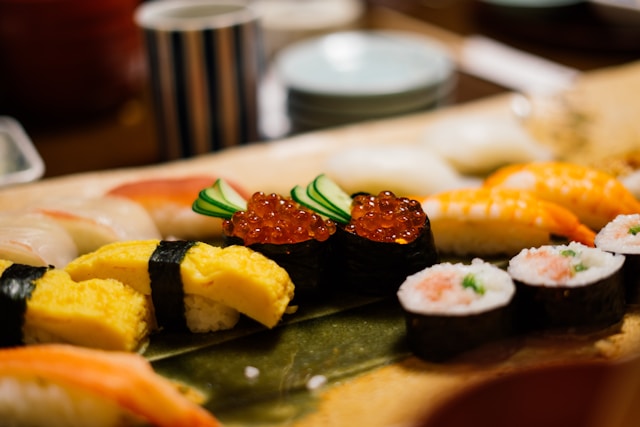
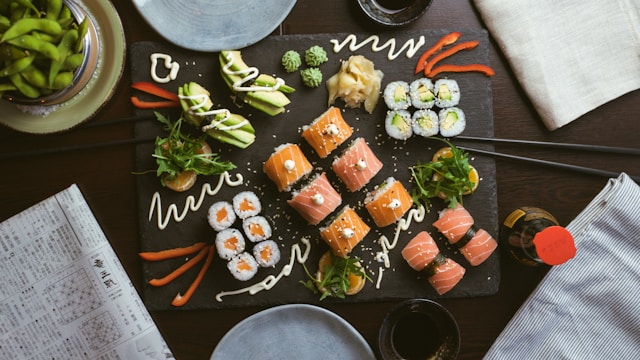
We love sushi, and sometimes we make various types at home, such as maki rolls, chirashi, hand rolls, nigiri, and other sushi styles. To make great sushi at home, the key is perfect sushi rice, also called sushimeshi or vinegared rice.
Ethan Bryce
Library note
Reading tip
The full chapter continues below on the soft reading shelf.
Stack
Pocket Library
We love sushi, and sometimes we make various types at home, such as maki rolls, chirashi, hand rolls, nigiri, and other sushi styles. To make great sushi at home, the key is perfect sushi rice, also called sushimeshi or vinegared rice.
In Japan, the seasoning of sushi rice differs from region to region, and many sushi restaurants guard their rice recipes closely. The rice is crucial because it supports all the toppings and defines the taste of the sushi. Ideal sushi rice should appear glossy, have a slightly firm texture, and have a well-balanced flavor that is mildly sweet, tangy, and salty.
You can make sushi rice at home and adjust the sweetness and saltiness to suit your preferences. Let’s try making it!
Perfect Sushi Rice Recipe
Note: If you don’t have a rice cooker, a heavy-bottomed pot can be used instead. Be careful with water measurements, as rice cooker cups are not the same as standard cups.
Ingredients (for 2–3 servings)
Using a Rice Cooker
2 rice cooker cups (290g / 10¼ oz) short-grain rice
Water according to your rice cooker’s sushi rice line
½ cup rice vinegar
1½ tablespoons sugar
1 teaspoon salt
Using a Pot
2 cups (360g / 12.7 oz) short-grain rice
2 cups water (same volume as rice)
¾ cup rice vinegar
2 tablespoons sugar
1¼ teaspoons salt
Tools
Rice cooker or heavy-bottomed pot with lid
Large mixing bowl or sushi oke
Rice paddle (shamoji)
Clean kitchen towel
Hand fan or something to create airflow, like a paper fan or thin notebook
Directions
Prepare the vinegar seasoning by combining vinegar, sugar, and salt in a small bowl. Set aside while the rice cooks.
Rinse the short-grain rice in cold water. Swirl the rice gently with your hand, drain, and repeat until the water is almost clear.
If using a pot, add 2 cups of water to the rice and let it soak for at least 30 minutes. If using a rice cooker, fill water up to the 2-cup sushi rice line (or remove about 3 tablespoons if no sushi line is marked) and let the rice soak for 30 minutes.
Cook the rice. In a pot, bring water to a boil over high heat, then reduce to low, cover, and simmer for 15 minutes. Once cooked, turn off the heat and let the rice steam for 10 minutes without removing the lid. For a rice cooker, simply turn it on and let it finish cooking.
Once the rice is ready, transfer it to a large bowl or plate. Pour the vinegar mixture over the hot rice and wait about 10 seconds before mixing.
Use cutting and scooping motions with a rice paddle to gently fold the rice for about 1 minute. This technique helps release excess moisture and creates a shiny surface.
Cool the rice by fanning it gently for 15 seconds, then turn it over and fan again for another 15 seconds.
Cover the rice with a damp towel until you are ready to use it for sushi.
Tips and Notes
Always use short-grain rice. It sticks when cooked, while long-grain rice does not.
Cook the rice slightly firmer than usual; if too soft, the vinegar will make it mushy.
Mix the vinegar while the rice is still hot so it absorbs evenly.
Making the rice at least an hour before using it improves flavor and texture.
Any type of water can be used, but soft water is preferred for the best sushi rice texture, as is common in Japan.
COVER · en

The Remarkable Impact of Indoor Plants on Psychological Wellness
Cultivating a private collection of indoor greenery serves as an accessible and highly effective strategy for elevating daily psychological health. A vast body of scientific literature confirms that integrating living flora into residential and occupational environments yields profound psychological rewards, including a measurable decline in tension, a heightened sense of joy, sharpened mental clarity, and a mitigation of anxious feelings. Rather than acting as mere aesthetic ornamentation, these living organisms function essentially as a natural support system for human neurological wellness.
COVER · en

Meet the acrobatic clouded leopard
It may look a little like a tiger, but the clouded leopard is a completely different kind of cat. This remarkable animal moves through the trees of Southeast Asia’s rainforests with incredible agility. It can race up tree trunks, support its body while hanging from a branch with a single paw, and even move while hanging upside down. Its climbing abilities are truly extraordinary.
COVER · en

10 Stunning Types of Suits Every Woman Needs in Her Wardrobe
Suits are no longer reserved just for office boardrooms. Today, they’ve become versatile staples that allow women to transition seamlessly from professional settings to social events and even casual weekends. The right suit can elevate your style, add sophistication, and give you the confidence to own every room. Here are ten essential types of suits worth adding to your closet.
COVER · en

Professional-Backed Color-Matching Tips
Finding the exact shade to touch up your walls or match the threads in your favorite throw can be tricky. Luckily, there are plenty of methods to track down that perfect color you’ve been looking for.
COVER · en
Dressed Up Avocados
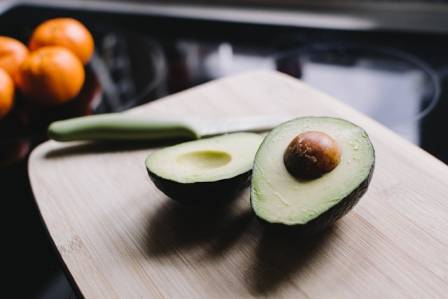
In this easy yet stunning dish, avocados are the star. Lightly seasoned with fresh lemon juice and extra virgin olive oil, they’re enhanced with kosher salt, cracked black pepper, chopped herbs, and a touch of diced tomato.
COVER · en

Essential Facts and Unique Behaviors of Global Seabirds
The classification of avian species near the ocean—often categorized as seabirds, shorebirds, or waterbirds—can be quite fluid. For the purpose of understanding these remarkable creatures, we use the term "seabird" as a broad category to explore the fascinating biological adaptations and lifestyles that allow them to thrive in maritime environments.