Shelf read
Agile Squirrels: Secrets of the Wild
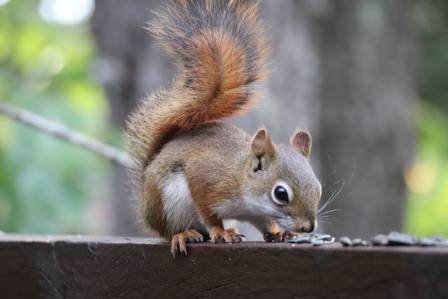
From lively city streets to the quiet corners of ancient woodlands, squirrels are everywhere, capturing our attention with their energetic antics and extraordinary agility. These nimble rodents, belonging to the Sciuridae family, are far more than simple nut gatherers.
Ryan Fletcher
Library note
Reading tip
The full chapter continues below on the soft reading shelf.
Stack
Pocket Library
From lively city streets to the quiet corners of ancient woodlands, squirrels are everywhere, capturing our attention with their energetic antics and extraordinary agility. These nimble rodents, belonging to the Sciuridae family, are far more than simple nut gatherers.
They play essential roles in ecosystems, are experts in survival, and fascinate both scientists and casual observers. Let’s explore the diverse world of squirrels, uncovering their behaviors, evolution, and ecological importance.
Exploring the Family: Varieties of Squirrels
The word “squirrel” refers to a wide array of mammals, with over 200 species spread across the globe. While most people imagine bushy-tailed tree dwellers, the Sciuridae family includes three primary types, each adapted to its environment:
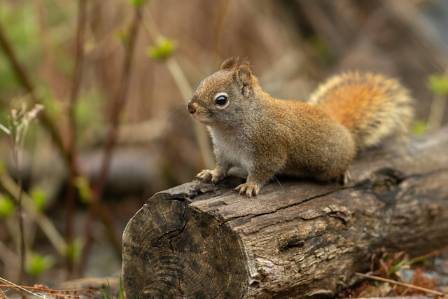
Tree Squirrels: The most familiar species, tree squirrels live among the branches. The Eastern Gray, Red, and Fox Squirrels are excellent climbers, relying on trees for shelter and food. Their long, bushy tails help with balance, communication, and protection.
Ground Squirrels: These squirrels inhabit the soil, including species such as prairie dogs, chipmunks, and marmots. They create burrows, sometimes forming large colonies, and have shorter tails than their arboreal relatives.
Flying Squirrels: These nocturnal gliders don’t truly fly but use a skin membrane, called a patagium, stretching from wrist to ankle to glide between trees with precision.
Squirrels vary greatly in size, from the tiny African Pygmy Squirrel, weighing only a few grams, to the massive Alpine Marmot, which can weigh over 8 kilograms. Despite these differences, all squirrels share classic rodent traits, including continuously growing front teeth.
Where They Live: Habitats and Territories
Squirrels are highly adaptable, found on nearly every continent except Australia and Antarctica. Their homes are as varied as their species:
Forests and Woodlands: Tree squirrels prefer deciduous and coniferous forests with plentiful nut-bearing trees like oaks, walnuts, and hickories.
Grasslands and Prairies: Ground squirrels, including prairie dogs and groundhogs, live in open areas, creating burrows to escape predators and harsh weather.
Urban Areas: Many tree squirrels, particularly Eastern Grays, have adapted well to cities and suburbs. Parks, backyards, and gardens with mature trees provide food and shelter.
To observe squirrels, visit forests, parks, or nature reserves during the day. Watch for nut shells, leaf rustling, and squirrel calls. Ground squirrels are easier to see near their burrows.
Diet: What Squirrels Eat
Squirrels primarily eat plants but may consume animal matter opportunistically. Their diet depends on season and habitat:
Nuts and Seeds: Acorns, walnuts, hickories, and pine seeds are staples, especially in winter. Their sharp teeth allow them to crack hard shells.
Fruits and Berries: Apples, cherries, and berries provide sugars and essential nutrients.
Fungi: Mushrooms and truffles help them digest and spread fungal spores.
Vegetation: Leaves, buds, flowers, and bark supplement their diet when other foods are scarce.
Insects and Small Animals: Occasionally, squirrels eat insects, eggs, nestlings, or small rodents, especially to meet protein needs during reproduction.
Squirrels often bury food, a behavior called “scatter hoarding.” While they retrieve many caches, some are forgotten, aiding in seed dispersal and forest growth.
Reproduction and Raising Young
Breeding varies by species and climate. Tree squirrels usually have two mating seasons, in late winter/early spring and mid-summer. Ground squirrels typically breed once after emerging from hibernation.
Courtship: Mating involves chasing rituals, with multiple males pursuing a female. The most determined male mates successfully.
Gestation: After 35–45 days, the female gives birth to a litter of 1–8 young, called kits or pups.
Nesting: Tree squirrels build “dreys” in branches or use tree cavities, while ground squirrels raise young underground.
Parental Care: The mother cares for the blind, hairless kits until they are weaned at 8–10 weeks and independent around 10–12 weeks.
Lifespan: In the wild, squirrels often live 1–2 years due to predation and environmental challenges, but some survive up to 5–6 years, and 10–12 years in captivity.
Squirrels in the Ecosystem
Squirrels are more than charming forest residents; they play vital ecological roles:
Seed Dispersal: Forgotten nuts grow into new plants, aiding forest regeneration.
Prey Species: They provide food for hawks, owls, foxes, bobcats, and snakes, connecting plants to predators.
Soil Health: Ground squirrels’ burrowing aerates soil and enhances water absorption.
Fungal Spore Spread: Eating fungi helps spread spores crucial to forest health.
Squirrels also compete with other seed-eating animals and provide early warnings to the forest via alarm calls.
Evolutionary History
Squirrels have a long evolutionary history, dating back roughly 50 million years to the Eocene epoch. Early squirrel-like rodents were small and arboreal. Over time, the family evolved specialized teeth, powerful legs, and bushy tails for balance and communication. The diversification into tree, ground, and flying squirrels reflects their adaptation to different habitats.
Squirrels and Humans
Our relationship with squirrels mixes admiration and annoyance. They entertain with antics in urban areas but can raid bird feeders, damage gardens, or enter attics.
Culturally, squirrels symbolize cleverness, preparedness, and agility. From Beatrix Potter’s Squirrel Nutkin to cartoons, they are beloved characters in literature and media.
Responsible Observation
When seeing squirrels in the wild, maintain a respectful distance. Avoid feeding them to prevent dependence, aggression, and health issues. Appreciate their natural behaviors without interference.
Caring for Squirrels in Captivity
Zoos and wildlife centers must provide:
Diet: A mix of unshelled nuts, seeds, fresh fruits, vegetables, and rodent chow. Calcium and vitamin D3 supplementation may be needed. Avoid sugary or processed foods.
Enrichment: Branches, ropes, platforms, and puzzle feeders promote mental and physical activity.
Shelter: Nest boxes or hollow logs provide security. Social species need enough space and hiding spots.
Health Care: Regular check-ups, hygiene, and observation for illness are critical.
Avoid toxic foods like chocolate, caffeine, or avocado. Different species should not be housed together unless advised.
Interesting Traits and Abilities
Memory: Squirrels remember locations of thousands of buried nuts.
Tail: Serves as balance, sunshade, blanket, and communication tool.
Teeth: Constantly growing incisors require frequent gnawing.
Acrobatics: Flexible ankles and strong legs enable headfirst descents and leaping between branches.
Deceptive Caching: Pretend burying tricks potential thieves.
Communication: Barking, chirping, and tail flicks convey messages about predators, food, or territory.
Conclusion: Celebrating Squirrels
Squirrels, with their ancient origins and adaptability, are remarkable creatures. Beyond entertaining park visitors, they are vital ecological players. Understanding their behaviors, roles, and challenges deepens our appreciation of nature. The next time a squirrel scurries across your path or chatters from a branch, pause to admire this agile, resourceful acrobat of the wild.
COVER · en

Chinese Folk Clay Art Guide
Chinese folk clay sculpture—often referred to as clay figurine art—is a handcrafted sculptural tradition grounded in everyday experience. Created from natural clay through shaping by hand, carving, and gradual drying, and sometimes strengthened through high-temperature firing, these works preserve impressions of daily life, local traditions, and collective memory.
COVER · en

4 Things You Need To Know About The City Where Burbank Tower, California Is Located.
To step behind the curtain of Hollywood's newest cinematic releases or witness your most-loved television actors at work, look no further than Burbank.
COVER · en

Coordinating Your Handbag with Your Wardrobe: A Color Styling Guide
The handbag is the ultimate functional accessory, serving as the definitive finishing touch to any ensemble. While a trendy design is a great start, the true secret to a polished appearance lies in how you harmonize that bag with your clothing. Mastering color coordination can transform a standard look into a sophisticated style statement. By focusing on balance and visual flow, you can ensure your most practical accessory always looks intentional.
COVER · en
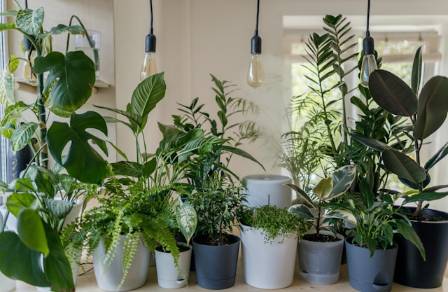
The Remarkable Impact of Indoor Plants on Psychological Wellness
Cultivating a private collection of indoor greenery serves as an accessible and highly effective strategy for elevating daily psychological health. A vast body of scientific literature confirms that integrating living flora into residential and occupational environments yields profound psychological rewards, including a measurable decline in tension, a heightened sense of joy, sharpened mental clarity, and a mitigation of anxious feelings. Rather than acting as mere aesthetic ornamentation, these living organisms function essentially as a natural support system for human neurological wellness.
COVER · en

10 Stunning Types of Suits Every Woman Needs in Her Wardrobe
Suits are no longer reserved just for office boardrooms. Today, they’ve become versatile staples that allow women to transition seamlessly from professional settings to social events and even casual weekends. The right suit can elevate your style, add sophistication, and give you the confidence to own every room. Here are ten essential types of suits worth adding to your closet.
COVER · en

The World’s Finest 7 Macaron Destinations
Macarons, those delicate French meringue-based sandwich confections, have charmed dessert lovers across the globe. Known for their crisp shell, soft center, and signature “foot,” these airy almond flour cookies come in countless shades and flavors, from timeless chocolate to floral rose or tangy passion fruit. Though often mistaken for macaroons—the chewy coconut sweets—macarons are a completely different treat. Crafted from whipped egg whites, almond flour, and sugar, these gluten-free delights are as beautiful as they are flavorful. Below, we highlight seven top-tier patisseries from around the world that have redefined the art of the macaron.