Shelf read
The History of Jewelry Boxes
As enthusiasts of jewelry, particularly pearls, we take pride in preserving our favorite pieces so they can endure for a lifetime and even be enjoyed by future generations. Having a secure place to store jewelry is essential for maintaining its condition. While personal preference often determines storage methods, jewelry boxes have a timeless appeal, making them one of the most popular ways to protect treasured items.
Cecilia Hartman
Library note
Reading tip
The full chapter continues below on the soft reading shelf.
Stack
Pocket Library
As enthusiasts of jewelry, particularly pearls, we take pride in preserving our favorite pieces so they can endure for a lifetime and even be enjoyed by future generations. Having a secure place to store jewelry is essential for maintaining its condition. While personal preference often determines storage methods, jewelry boxes have a timeless appeal, making them one of the most popular ways to protect treasured items.
Throughout history, collectors of fine jewelry have valued storage solutions, though the reasons have evolved. Today, jewelry may be kept in a box to prevent tarnishing or damage, whereas in ancient times, the focus was on safekeeping rather than preservation.
Over the centuries, jewelry boxes have changed in design, size, and material. In earlier periods, they were called “jewelry caskets” and resembled miniature treasure chests. Yet one constant remains: across all eras, beautifully crafted boxes have held precious pieces safely inside.
Ancient Egypt
Though it is difficult to determine who first created jewelry boxes, historical records show that they were in use as early as 5000 BC. In Ancient Egypt, both men and women used jewelry caskets regardless of social status, as jewelry carried spiritual significance. Certain pieces were even believed to offer benefits in the afterlife.
The Egyptians developed advanced techniques for handcrafting wooden chests and boxes suitable for storing jewelry and other valuables. For the wealthy, these boxes were intricately decorated with carvings, metalwork, inlaid jewels, and gold or silver gilding. Precious items were stored in caskets and often buried with pharaohs. In contrast, lower-class Egyptians used decorated wooden or reed boxes for their possessions.
16th Century
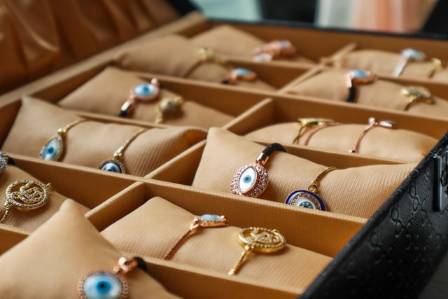
In the 16th century, jewelry ownership was a rare luxury. Royals like Henry Tudor used fine gifts to impress and attract allies. Skilled artisans crafted jewelry and matching ornate storage boxes with extreme attention to detail.
These boxes were often encrusted with gemstones, sometimes making the container more valuable than the jewelry inside. Each box was handcrafted from materials such as silver, gold, or ivory, and lined with velvet or leather. Beyond aesthetics, they provided protection from dust and dirt, keeping precious items in pristine condition.
18th Century
The 18th century saw a rise in trinket boxes, smaller than traditional jewelry boxes but ideal for storing jewels and keepsakes. Tops were decorated with flowers, birds, and delicate motifs. Materials included gold, iron, wood, stone, porcelain, and papier-mâché. The development of porcelain, enameling, and decorative metalwork made these boxes fashionable among the elite.
Musical jewelry boxes also gained popularity during this period. Early musical boxes appeared as early as 1502, but Charles Reuge, a Swiss watchmaker, advanced the craft. Reuge created pocket watches that played melodies inspired by the sounds of birds and later designed musical jewelry boxes with tiny bells, combs, and drums producing harmonious tunes.
Industrial Revolution in the United States
As the U.S. shifted from agrarian to industrial labor in the late 18th century, technological advances made production more efficient. Jewelry boxes, once limited to royals and the aristocracy, became accessible to a broader population. Mass production reduced their exclusivity, while fine jewelry became more affordable, and smaller jewelry boxes were crafted for middle-class households.
Art Nouveau – 20th Century
Art Nouveau influenced jewelry box design, bridging the 19th and 20th centuries. Characterized by sleek lines and nature-inspired motifs, the style emphasized function and artistic freedom. Jewelry boxes were often painted with floral and natural designs, creating a lighter and more feminine aesthetic.
21st Century
In the modern era, luxury brands have pushed the boundaries of jewelry box craftsmanship. The luxury company Mouwad created the ‘Flower of Eternity Jewellery Coffer,’ made from 18K gold and sterling silver, adorned with hundreds of carats of diamonds, sapphires, rubies, and lapis lazuli. Valued at $3.5 million, it was recognized as the world’s most valuable jewelry box by Guinness World Records in 2016.
Jewelry Boxes in Museums
Many historically significant jewelry boxes have been preserved in museums.
Egyptian Jewelry Box at the Met: A Late Antique Egyptian box (4th–6th century) made from wood and bone, decorated with carvings and wax-filled imagery of male and female figures, likely used by wealthy women for jewelry storage.
French Jewelry Casket: A 16th-century casket made of gold-tooled leather, gilded metal, and silk lining, showcasing exquisite craftsmanship.
French Jewelry Box at the Met: A 19th-century box by Lucien Falize, crafted in gold and enamel with natural motifs, foreshadowing the Art Nouveau style.
American Jewelry Box at the National Museum of American History: An Art Deco box from 1929 made by the Celluloid Manufacturing Company, featuring orange celluloid and a tulip motif.
Add-A-Pearl Jewelry Boxes
Beyond protection, jewelry boxes preserve memories. They are timeless gifts that keep cherished items organized and safe. Examples include the Ballet Slippers Musical Jewelry Box, adorned with floral and ballet designs and capable of playing music, and the Silver-Plated Heart Jewelry Box, a polished, classic design suitable for any age.
Choosing the Perfect Jewelry Box
When selecting a jewelry box, consider the type and quantity of your jewelry. Ring collectors benefit from boxes with multiple ring slots, bracelet enthusiasts may prefer spacious drawers, and necklaces can be stored flat or hung in an armoire to prevent tangling.
Wooden boxes are durable, protective, and visually appealing. The lining should be soft, lint-free, and gentle on delicate items. For added protection, gemstones can be placed in jewelry bags before storage.
Choosing the right jewelry box ensures your treasures are kept safe for a lifetime. Historically, jewelry boxes have combined beauty with function, inviting curiosity about the precious items they contain. A well-chosen box preserves your collection and enhances the joy of owning it.
COVER · en
The Ultimate Guide to Crafting Personalized Yogurt Bowls
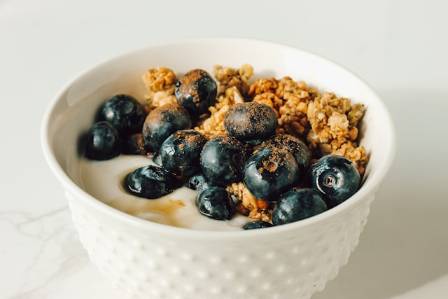
Yogurt bowls have emerged as a premier choice for a quick, nutrient-dense breakfast or satisfying snack. While a simple bowl of yogurt is a healthy start, transforming it with a variety of textures and flavors elevates it into a gourmet experience. This guide explores the essential components of a perfect bowl and provides eight distinct flavor inspirations to suit any palate.
COVER · en

8 Enchanting Snow Towns
Embrace the winter wonderland within the U.S., where snowy landscapes transform towns into magical cold-weather escapes. From Alaska to Vermont, these picturesque communities offer cozy inns, fireside cocoa, ice skating, and a dusting of fresh flakes. Let's explore the allure of these 8 beautiful winter towns:
COVER · en

The Cube Revolution: Engineering and Utility of Television-Shaped Robotics
The iconic box-shaped or television-style robot represents a masterpiece of geometric engineering in the modern tech landscape. Known formally as cubic or prismatic robots, these machines move away from complex humanoid aesthetics to prioritize internal volume and structural stability. This specific design choice allows engineers to treat the robot as a modular mobile server, capable of housing high-density electronics while offering flat external surfaces that are perfect for mounting cutting-edge sensors and interactive displays.
COVER · en
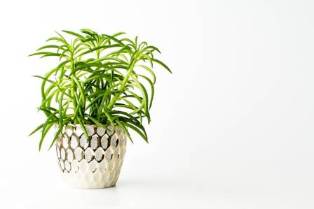
Expert Strategies for Integrating Greenery and Planters into Your Interior
Incorporating vegetation is a sophisticated method for making a home feel both modern and ecologically conscious. However, selecting the right species and containers requires an understanding of both aesthetics and biology. This guide combines the perspectives of interior design and phyto-design to help you curate the perfect botanical environment for your home.
COVER · en

Outfits that make you look intelligent
You may have earned an impressive degree, achieved outstanding results at work, or possess exceptional knowledge in your field, but your appearance still plays an important role in how others perceive you. Looking intelligent is not only about what you say or what you know; the way you present yourself can influence the first impression you create.
COVER · en

Red-Headed Vulture: The Guardian of Nature’s Cleanup Crew
The Peregrine Fund played an important role in identifying the serious threat that the veterinary drug diclofenac poses to vultures. The organization was also the first conservation group to establish “vulture restaurants” in South Asia. At these sites, biologists provide carcasses that have never been treated with diclofenac, giving vultures a safe source of food.