
Shelf read
Fascinating Meerkat Facts: Insights into These Unique Mammals
Meerkats are often spotted standing tall on their hind legs, scanning the vast plains of southern Africa with alert eyes. Their playful, seemingly lighthearted behavior might charm you, but don’t let that fool you, these small mammals are among the most aggressive and even murderous species in the animal kingdom. Belonging to the mongoose family, meerkats have a deceptively cute appearance, yet their societies are ruled by dominant females who will go to extreme lengths to hold onto their power over the clan. Below, we’ll explore the many facets of meerkat life, from their physical traits and social structures to their hunting habits, communication, and the challenges they face.
Zoe Hughes
Library note
Reading tip
The full chapter continues below on the soft reading shelf.
Stack
Pocket Library
Meerkats are often spotted standing tall on their hind legs, scanning the vast plains of southern Africa with alert eyes. Their playful, seemingly lighthearted behavior might charm you, but don’t let that fool you, these small mammals are among the most aggressive and even murderous species in the animal kingdom. Belonging to the mongoose family, meerkats have a deceptively cute appearance, yet their societies are ruled by dominant females who will go to extreme lengths to hold onto their power over the clan. Below, we’ll explore the many facets of meerkat life, from their physical traits and social structures to their hunting habits, communication, and the challenges they face.
1. Basic Traits and Appearance
Meerkats are small carnivorous mammals that belong to the mongoose family. They have a mottled, sandy-gray coat that helps them blend seamlessly into the African savannah—a crucial adaptation for avoiding predators. Their faces are pointed and curious-looking, with dark patches around the eyes that reduce glare from the sun, helping them see more clearly in bright conditions. These features not only add to their distinctive look but also serve practical purposes in their harsh, dry habitats.
2. Social Structure: Mobs and Matriarchy
Meerkats are highly social animals, living in large groups called “mobs” (or sometimes “clans” or “gangs”). A single mob can have up to 50 members, often including three or more family units. Throughout the day, meerkats spend a lot of time foraging for food, but they also make time for play and grooming—activities that strengthen bonds within the group.
Meerkat societies are strictly matriarchal, meaning one dominant female holds the top position. This female is responsible for producing up to 80% of the mob’s pups, and the entire clan helps raise these young ones. The dominant pair (the female and her chosen mate) almost entirely controls mating and reproduction within the group. Lower-status meerkats support the dominant pair by caring for their offspring, often putting their own chances of having young on hold.
3. Daily Routine: Foraging and Sentinel Duty
Each morning, as the sun rises, meerkats emerge from their underground burrows to start their day. A few members of the mob take on the role of “sentinels” (lookouts), standing upright on their hind legs to watch the sky for predators like hawks and eagles. If a sentinel spots danger, it lets out a sharp, high-pitched call, prompting the rest of the meerkats to dive into the nearest burrow for safety.
While the sentinels keep guard, the other meerkats hunt independently. They dig in the sand with their sharp claws to catch prey like beetles, caterpillars, spiders, scorpions, small rodents, and even birds. Sometimes, they work together to take down larger prey, such as big lizards. Meerkats aren’t strict carnivores, either—they also graze on fruit, vegetation, and will occasionally steal birds’ eggs.
4. Teaching Young Meerkats to Hunt
Adult meerkats play an active role in teaching young pups how to hunt, especially when it comes to tricky prey like scorpions. In one research study, scientists observed older, more experienced meerkats starting with dead scorpions when teaching young clan members. As the pups grew older and more skilled, the adult meerkats switched to giving them live scorpions, letting the youngsters practice their killing techniques. This hands-on teaching ensures that the next generation learns the skills they need to survive in the wild.

5. Habitat and Burrow Systems
Meerkats are found in the Kalahari Desert (in Botswana and South Africa), the Namib Desert (in Namibia), and also reside in Zimbabwe, Angola, and Mozambique. They thrive in dry, open environments like plains, savannahs, and grasslands—areas where their sandy coat provides excellent camouflage.
One of their most impressive adaptations is their ability to dig extensive burrow systems. Using their sharp claws, meerkats excavate tunnels that can stretch up to 5 meters (16 feet) long. These burrows have multiple entrances and underground chambers, and a single family group may use up to five burrows at once. The burrows offer shelter from the scorching sun during the day and protection from predators like jackals and snakes.
6. Reproduction and Pup Development
Female meerkats can have several litters in a single year, with most births happening during the rainy season (November to March). The gestation period lasts about 10 weeks, after which the female gives birth to 1 to 8 pups. Newborn meerkats are tiny, weighing just 25.5 to 36.9 grams (0.9 to 1.3 ounces) and are born blind and helpless.
Pups grow quickly, though: they open their eyes after 2 weeks, start venturing out of the burrow by 4 weeks, and are fully weaned by 9 weeks. Once weaned, they begin foraging for food on their own, though they still rely on the clan for protection and guidance.
7. Sentinel Behavior: Super Guards and Trust
Not all meerkats are equally good at being sentinels. In 2016 and 2017, researcher Ramona Rauber from the University of Zurich studied nine meerkat groups in the Kalahari Desert. She found that meerkats of all ages and ranks took turns as lookouts, but some did the job far more often than others. Those that acted as sentinels at least 50% more frequently than their peers were called “super guards,” while others were labeled “common guards” or “rare guards.”
To test how much trust meerkats placed in different sentinels, Rauber recorded “all-clear” calls from various guards and played them to meerkats that were foraging alone. She noticed that foraging meerkats looked up to check for predators least often when they heard “super guards” giving the all-clear. This suggests that meerkats recognize and trust certain individuals more than others, relying on their judgment to stay safe.
8. Tricksters: Drongos Mimicking Alarm Calls
Meerkats’ alarm calls aren’t just understood by their own kind—other animals sometimes exploit them for their own gain. During the filming of the BBC documentary Africa, camera crews captured a drongo bird (a type of songbird) tricking a meerkat mob. First, the drongo sounded a genuine alarm call when an eagle was nearby. The meerkats fled to their burrows, and the drongo earned their trust.
Later, the drongo made a false alarm call. The meerkats rushed underground again, leaving their freshly caught food unguarded and the drongo stole it. The bird’s first trick only worked once, but it quickly learned to mimic the meerkats’ actual alarm call perfectly, allowing it to trick the mob out of their food repeatedly.
9. Dark Side of Meerkat Society: Competition and Aggression
While meerkat societies are cooperative, they also have a ruthless side. Dominant females will kill the offspring of other meerkats to ensure their own pups get all the attention and care from the clan. They also evict other females they see as threats—even family members like their own daughters—from the group. Eviction can be a death sentence in the harsh desert, as lone meerkats struggle to find food and avoid predators.
When a dominant female dies, competition for the top spot becomes fierce. The largest female in the mob usually takes over, and from that moment, her testosterone levels spike, making her more aggressive toward other females. She will evict any females close to her size and any pregnant females to eliminate competition.
10. Subordinate Males’ Secret Reproduction
While dominant pairs control most mating, subordinate males have found ways to reproduce. Over five years, researchers tracked 15 meerkat groups in the southern Kalahari Desert. They noticed low-status males often left their mob at night but didn’t know why until they did DNA tests on the pups. The tests revealed that a quarter of all meerkat pups were sired by males from outside their group. It turned out the subordinate males were sneaking off to mate with both dominant and subordinate females in other mobs, ensuring their genes were passed on despite their low status.
11. Communication: Sophisticated Calls
Meerkats have a complex system of calls that let them communicate detailed information. Marta Manser, a professor of animal behavior at the University of Zurich, conducted experiments to study this. She presented meerkat mobs with props of predators (like jackals, eagles, and wild cats) and recorded the calls the sentinels made as the props got closer.
Her studies found that meerkats use at least six soft, high-pitched calls during sentinel duty—emitted every few seconds to reassure foraging clan members that they’re safe. They also have distinct calls for different predators: one for birds of prey, another for ground predators like jackals. Additionally, they vary the urgency of their calls to indicate how close the threat is—for example, a quick, sharp bark means “hide now,” while a slower call might signal “predator in the distance.” Playing these calls back to meerkats triggers specific responses, proving they understand the messages clearly.
12. Why Meerkats Don’t Make Good Pets
Despite their cute appearance, meerkats are not suitable as pets—for several key reasons. First, they are extremely social animals that live in groups of up to 50 in the wild. Keeping a meerkat alone or in a small group causes severe stress. The RSPCA often finds meerkats being sold as solitary pets, but once separated from their clan, they’re nearly impossible to reintroduce to other groups, forcing them to live alone for life.
Meerkats also need vast amounts of space. In the wild, they roam territories spanning several kilometers. A domestic home can’t provide the large, enriched enclosures they need. Without enough space or social interaction, meerkats become aggressive, destructive, or even self-harm. They may also develop health issues like metabolic bone disease.
Additionally, their natural behaviors make them bad house pets. Meerkats are avid diggers, they’ll tear up carpets, floors, and skirting boards. They also use scent marking to communicate, which leads to smelly brown marks on furniture.

13. Meerkats: Among the Most Murderous Mammals
You might not guess it, but meerkats are among the most likely mammals to be killed by their own kind. A 2016 study analyzed violent behavior in over 1,000 mammal species and found that up to one in five meerkats—most of them young pups—are murdered by other meerkats. This violence is often driven by the dominant female, who kills rival pups to secure resources for her own offspring. Even family members aren’t safe: a dominant female may kill her own grandchildren if their mother (her daughter) tries to reproduce.
14. Meerkats and Humans
Meerkats aren’t generally dangerous to humans, but they can deliver a painful bite—even latching onto bone, if they feel threatened by a stranger or intruder. They also carry a strain of rabies that can be transmitted to humans, so it’s important to avoid close contact with wild meerkats.
In the end, meerkats are fascinating creatures that blend cuteness with complexity. Their social structures, hunting skills, and communication systems show how adaptable they are to life in the desert while their aggressive side reminds us that survival in the wild is often brutal. By studying meerkats, we gain valuable insights into how social animals balance cooperation and competition to thrive.
COVER · en

Canton Tower is Now the Tallest Tower in China
We have already discussed the Oriental Pearl Tower, which remained China’s tallest tower until 2007. So which structure took its place? That distinction went to the Canton Tower.
COVER · en
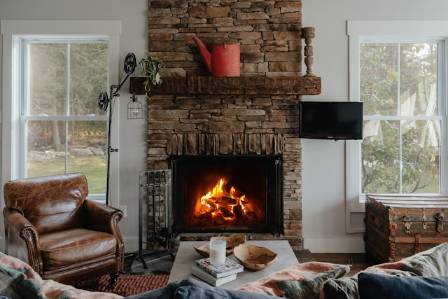
Choosing the Right Fireplace for Your Home
Adding a fireplace can be an excellent way to improve the atmosphere and appeal of your home while potentially increasing its value. Whether you prefer the traditional warmth of a wood-burning fireplace or the clean, modern look of an electric model, there are plenty of attractive options available today. Professional fireplace companies can help you compare different choices based on your home's style, heating requirements, and budget. With the proper advice, you can find a fireplace that brings both comfort and personality to your living area for years to come.
COVER · en

Top-Rated 30-Minute Chicken Dishes for Effortless Weeknight Meals
A glance at the most popular culinary trends of the year reveals a clear preference: home cooks adore chicken. More specifically, they favor recipes that deliver high-quality flavor in 30 minutes or less. These reader-approved dishes have earned permanent spots in kitchen rotations across the country. Whether you are seeking a fiery stir-fry or a comforting creamy classic, these quick meals offer the perfect solution for busy evenings.
COVER · en

Exploring the Advantages of Playing Table Tennis
Table tennis, often referred to as ping pong, enjoys widespread popularity across the globe. While the exact number of active players is unknown, it's clear that the sport is embraced by millions—whether for casual play or in a competitive setting. Especially prominent in Asia and Europe, table tennis continues to grow, with the sport governed internationally through numerous associations across more than 200 countries and regions.
COVER · en

Cool Retreats by the Shore: Inspiring Beach Huts for Your Seaside Getaway
Is there a better spot to beat the heat than a cozy beach hut, summer house, or surf shack? Beach huts are a classic part of seaside life and their popularity as desirable coastal properties is skyrocketing. From small, basic cabins to larger holiday homes and more upscale, design-focused coastal structures, these waterfront dwellings bring to mind long, sunny summer days and relaxed afternoons spent reading in deck chairs. Architects worldwide have been exploring this type of building with impressive results. The settings may differ. There are suburban mini homes and vacation pavilions; some follow the typical, pitched-roof, mini-house shape of traditional beach huts while others take a bold, modern approach. But all of them are sure to spark our desire to travel whether we’re dreaming from the sofa or planning an actual trip.
COVER · en
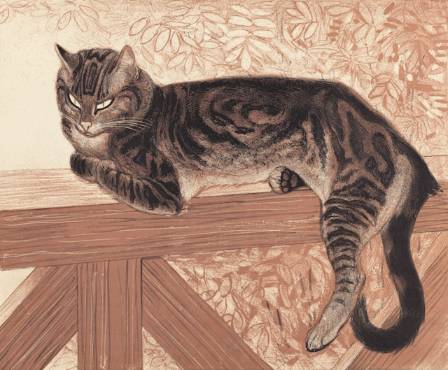
A Curated History of Cats in Art
For centuries, cats have captivated artists not only as companions but as powerful subjects imbued with symbolism, mystery, and charm. From playful companions to allegorical figures, their depiction across art movements and cultures reveals a deep and enduring fascination. The following selection highlights some of the most memorable and significant portrayals of felines in art history.