Shelf read
Authentic Egg Tarts: Crispy Pastry & Creamy Custard
There’s something undeniably comforting about the smell of freshly baked pastries, and few aromas evoke nostalgia quite like egg tarts. That first bite—where the buttery, flaky crust gives way to a smooth, lightly sweet custard—is pure bliss.
Lily Morgan
Library note
Reading tip
The full chapter continues below on the soft reading shelf.
Stack
Pocket Library
There’s something undeniably comforting about the smell of freshly baked pastries, and few aromas evoke nostalgia quite like egg tarts. That first bite—where the buttery, flaky crust gives way to a smooth, lightly sweet custard—is pure bliss.
The combination of textures and flavors is both indulgent and simple, making these tarts an irresistible treat. If you’ve been relying on takeout but want a special homemade dessert, get ready to master authentic Cantonese-style Egg Tarts, or “dan tat,” right in your own kitchen. These delicate pastries are easier to make than you might think and are sure to wow anyone who tries them!
Egg Tarts: Homemade Dim Sum Magic
The perfect balance of crisp, buttery pastry and silky, rich custard makes Chinese egg tarts utterly addictive. These homemade treats capture the essence of dim sum at home, giving you a sweet indulgence with surprisingly straightforward preparation. They’re ideal for a relaxing weekend project or a special treat for friends and family. Dive into the joy of making authentic Chinese desserts at home!
Ingredients for Egg Tarts
For the Flaky Pastry
All-purpose flour – forms the base of the crust and ensures it holds together.
Granulated sugar – just enough to add a hint of sweetness and help the crust brown.
Salt – enhances all the flavors in the dough.
Unsalted butter – the key to flaky layers; keep it chilled.
Ice water – brings the dough together without making it tough.
For the Silky Custard
Warm water – dissolves the sugar and cools before combining with eggs.
Granulated sugar – sweetens the custard just right.
Large eggs – provide richness and that golden color.
Egg yolks – enhance the custard’s depth and smoothness.
Evaporated milk – creates a creamy texture without heaviness.
Vanilla extract – adds a subtle aromatic sweetness; clear vanilla helps maintain a bright yellow color.
Salt – balances the sweetness for a well-rounded flavor.
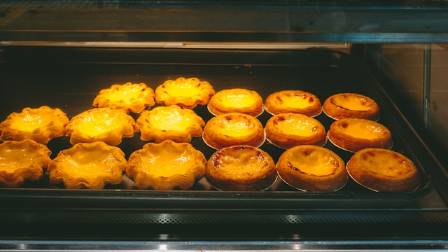
How to Make Egg Tarts
Prepare the Dough:
In a food processor, combine flour, sugar, and salt. Cut in chilled butter until pea-sized crumbs form. Slowly add ice water until the dough starts to clump together. Knead lightly on a floured surface, form into a square, wrap in plastic, and chill for 1 hour.
Shape the Tart Shells:
Roll half the dough into a rectangle. Using a 4-inch round cutter, cut out circles and gently press them into 3-inch tart pans. Trim the excess dough, prick the bottoms with a fork, and chill for 15 minutes. Repeat with the remaining dough.
Make the Custard:
Preheat the oven to 400°F (200°C) and place the rack at the lowest level. Dissolve sugar in warm water and let it cool. In a separate bowl, whisk eggs, yolks, evaporated milk, vanilla, and salt. Gradually incorporate the cooled sugar water and strain the mixture to remove bubbles.
Fill and Bake:
Pour the custard carefully into the chilled tart shells, leaving a small gap at the top. Remove any surface bubbles with a toothpick. Bake for 20–25 minutes until the custard is set but slightly jiggly in the center.
Cool and Serve:
Allow the tarts to cool in their pans for 10 minutes, then unmold and cool for another 15 minutes on a wire rack. Serve warm for the ultimate crisp, flaky experience.
Storage Tips
Refrigeration: Keep leftover tarts in an airtight container for up to 2 days. They’re best eaten fresh but can be gently reheated in a low oven to restore crispness.
Freezing: Wrap cooled tarts in plastic wrap and foil for up to 2 months. Thaw overnight in the fridge before serving.
Reheating: Warm gently in an oven at 300°F (150°C) to refresh the pastry; avoid microwaving, which can make it soggy.
Serving Suggestions
Egg tarts are perfect on their own, but you can elevate them with:
Fresh Fruit Platter: Bright berries and melon contrast beautifully with the creamy custard.
Black Tea: A mild Oolong or Pu-erh pairs perfectly with the sweetness.
Jasmine Tea: Light floral notes complement the delicate custard flavor.
Almond Cookies: Add a crunchy, nutty counterpart to the flaky pastry.
Make-Ahead Tips
These tarts are great for prepping in advance. Dough can be made up to 2 days ahead and stored in the fridge. When ready to bake, just shape the tart shells and prepare the custard for a quick, fresh batch.
Fun Variations
Richer Custard: Swap evaporated milk for half-and-half or cream.
Citrus Twist: Add lemon or orange zest for brightness.
Spiced Custard: Sprinkle a pinch of cinnamon or five-spice powder.
Matcha Egg Tarts: Fold in matcha powder for an earthy flavor and green hue.
Sesame Crunch: Add toasted sesame seeds on top before baking.
Condensed Milk Custard: Replace sugar and water with sweetened condensed milk for a richer, thicker custard.
FAQs
How do I keep egg tarts fresh? Eat them the same day for best results, or store in the fridge up to 2 days and warm gently before serving.
Can egg tarts be frozen? Yes! Freeze completely cooled tarts for up to 2 months. Thaw in the fridge overnight.
How do I get bright yellow custard? Use eggs with deep yolks, and optionally clear vanilla extract. Both help maintain a vibrant color.
These homemade egg tarts are the perfect combination of buttery pastry and smooth custard—classic dim sum flavors you can enjoy fresh from your own oven!
COVER · en
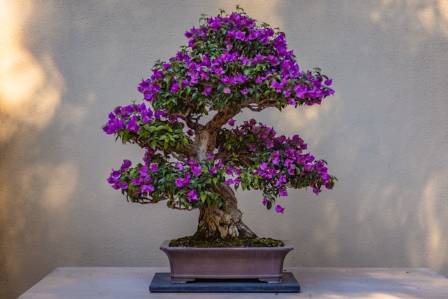
Top 5 Bonsai Tree Home Decor Ideas
Artificial bonsai trees are a versatile and low-maintenance way to enhance your home decor, bringing a Zen-like vibe to modern spaces. These trees can seamlessly fit into various design styles, from minimalist to classic. Here are five trendy decor ideas for incorporating artificial bonsai trees:
COVER · en

How to Style a Shirt: The Ultimate Guide for Every Occasion
Shirts are the backbone of a versatile wardrobe—but styling them correctly can turn a simple piece into a polished, chic statement. Whether you’re heading to a casual brunch, a corporate meeting, or a beach vacation, the right shirt and styling tricks make all the difference. This guide covers everything you need to know: from shirt types and fits to fabrics, colors, patterns, and occasion-specific tips, so you can confidently style any shirt for any moment.
COVER · en

Reindeer in Lapland — Santa Claus Reindeer Insights
The reindeer around Lapland are Rangifer tarandus tarandus, a semi-domesticated reindeer derived from mountain reindeer.
COVER · en

Os 10 estádios desportivos mais emblemáticos do mundo: ícones do desporto global
Desde tempos imemoriais que os estádios desportivos são mais do que meros palcos de competições atléticas; Testemunharam feitos heróicos, momentos históricos e paixões desenfreadas que uniram comunidades inteiras.
COVER · en

Learning About the Great Mormon Butterfly Identification Features Facts and Visuals
The Great Mormon Butterfly, scientifically known as Papilio memnon, is a fascinating member of the swallowtail butterfly family. It draws attention from butterfly lovers and scientists alike because of its substantial size and eye-catching looks. What makes this butterfly even more interesting is its wide presence across South and Southeast Asia, along with unique behaviors like mud-puddling—where it gathers with other butterflies to extract minerals from damp soil. Its ability to thrive in various countries and different types of habitats not only highlights its importance in the ecosystem but also shows how well it can adapt to changing surroundings.
COVER · en
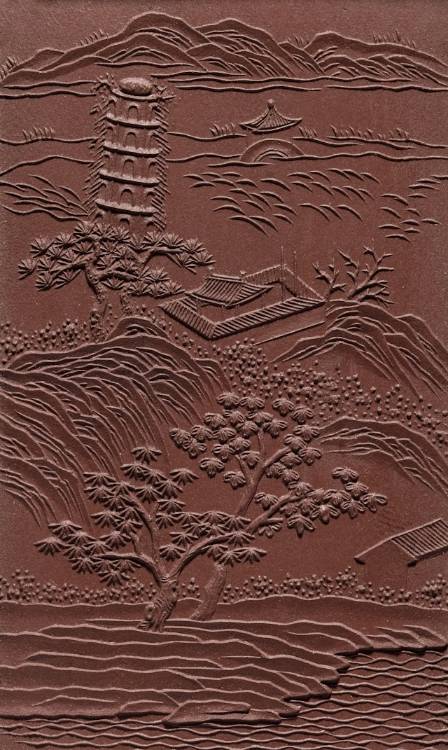
Artistic Leather Decoration: Techniques for Drawing, Embossing, and Carving
Leather is a material prized by craftsmen globally for its resilience and adaptability. While it is commonly used to manufacture functional items like footwear, jackets, and wallets, its appeal extends far beyond mere utility. For the artist, leather serves as a sophisticated canvas for creative expression. Beyond simple pigmentation, specialized decorative methods such as engraving, relief work, and structural carving allow for the production of highly expressive, one-of-a-kind pieces. This guide explores these traditional techniques and the precise steps required to master them.