Shelf read
The Ultimate Guide to Hibiscus Care
Hibiscus is much more than an attractive tropical blossom. It serves as the state flower of Hawaii, the national flower of South Korea, and is widely regarded as a symbol of affection, appreciation, and resilience.
Aria Dawson
Library note
Reading tip
The full chapter continues below on the soft reading shelf.
Stack
Pocket Library
Hibiscus is much more than an attractive tropical blossom. It serves as the state flower of Hawaii, the national flower of South Korea, and is widely regarded as a symbol of affection, appreciation, and resilience.
With an impressive variety of forms and flower colors covering almost every part of the color spectrum, hibiscus has become a popular choice among gardeners around the world. This guide covers some of the most familiar hibiscus varieties, along with advice on planting, growing, pruning, overwintering, and handling common problems.
Understanding Hibiscus Varieties
There are countless hibiscus varieties available, but only a few types are commonly grown and sold throughout the United States. The main groups include tropical hibiscus, shrub hibiscus, and perennial hibiscus.
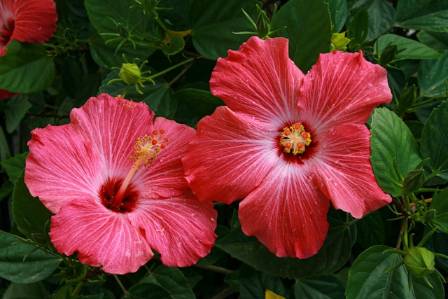
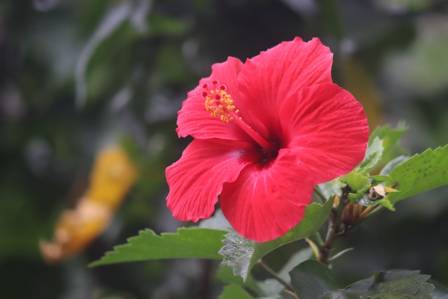
Tropical Hibiscus (Hibiscus rosa-sinensis) is probably the variety most people recognize. It is also commonly called Chinese hibiscus or China rose and is believed to have originated in tropical parts of Asia. The plant has been cultivated in many parts of the world for hundreds of years.
Tropical hibiscus naturally develops a shrub-like form, although it can also be grafted or trained into a tree shape. It prefers warm, humid weather and cannot tolerate temperatures below 55 degrees F. In the United States, it can remain outdoors throughout the year mainly in areas such as Hawaii and southern Florida, generally within growing zones 10-12. In colder regions, it can be grown in containers and brought indoors when nighttime temperatures drop below 55 degrees. This process is commonly known as overwintering.
The flowers of tropical hibiscus can reach approximately 4-6 inches across. Individual blooms usually remain open for only one or two days before fading, but the plants produce flowers abundantly, so new blooms continue to appear throughout the growing season. When planted directly in the ground, tropical hibiscus can reach about 10 feet tall and 5 feet wide, making it useful for hedges and privacy screens.
Shrub Hibiscus (Hibiscus syriacus), commonly called Rose of Sharon or Althea, is a much more cold-tolerant type. These plants originated in central and southern regions of Asia. Compared with tropical hibiscus, shrub hibiscus varieties are generally able to withstand a wider range of climates and are commonly grown in zones 5-9.
The flowers of shrub hibiscus are usually available in shades such as pink, white, and violet. Yellow and orange flowers are uncommon in this group. For abundant flowering, grow Rose of Sharon in a location receiving full sunlight. Its flowers are also attractive to pollinating insects.
Perennial Hibiscus (Hibiscus moscheutos and Hibiscus coccineaus) is another widely grown group, often referred to as rose mallow. These hardy plants are native to wet, swamp-like environments in areas extending from Florida through much of the southeastern United States.
Perennial hibiscus produces numerous exceptionally large flowers, generally beginning in midsummer and continuing until the first frost. These plants perform well in zones 5-9. During winter, the above-ground growth dies back, while the roots remain alive. New shoots emerge in spring. Although perennial hibiscus tends to appear later than many other perennial plants, it grows extremely quickly and can sometimes gain as much as an inch in a single day.
Planting Hibiscus
For all major hibiscus types, planting should take place in spring or fall after the danger of frost has passed. This gives newly planted hibiscus a better opportunity to establish healthy roots. Fall planting can be particularly beneficial because temperatures are cooler, soil moisture is generally higher, and pest and disease pressure may be reduced.
Choose a location with plenty of sunlight. In especially hot climates, however, it is helpful to provide protection from intense afternoon sun.
Tropical hibiscus and shrub hibiscus perform best in slightly acidic, well-draining soil containing plenty of organic material. Perennial hibiscus has different moisture preferences because it naturally grows in wet environments, but it still benefits from soil that drains well while remaining consistently moist and rich in organic matter.
After planting, provide the hibiscus with appropriate and consistent watering. Good watering practices are important for establishing a strong and healthy plant. Applying mulch around the plant can also be helpful because it suppresses weeds, helps the soil retain moisture, and reduces soil erosion.
Fertilizing Hibiscus
Hibiscus grows rapidly during the active season and benefits from regular feeding. A balanced fertilizer, such as 10-10-10 or 20-20-20, can provide the nutrients needed to support healthy growth and flowering.
During summer, fertilize approximately every two to three weeks. In spring, feeding once a month is generally sufficient. If a tropical hibiscus is being kept indoors through winter, dilute the fertilizer to half strength and apply it less frequently.
Pruning Hibiscus
The appropriate pruning method depends on both the hibiscus variety and the climate where it is grown.
Tropical hibiscus can be trimmed in fall when grown in areas without frost, while gardeners in colder regions should generally prune it during spring. Remove old, stretched, or excessively long growth to encourage a fuller and more compact plant.
Shrub hibiscus does not require regular pruning, but trimming can help maintain its shape and encourage larger flowers. In early spring, before new growth begins, cut the plant back by approximately one-third. Weak or overly long branches can also be removed to promote stronger development.
Perennial hibiscus benefits from substantial pruning in spring once fresh shoots begin appearing. Cut the previous year's stems back to around 6 inches. For a fuller, bushier appearance, the tips of the new branches can also be trimmed in early summer.
Overwintering Hibiscus
Shrub and perennial hibiscus are generally capable of handling colder conditions, but they can still benefit from additional winter protection. Before the first severe frost, apply a fresh layer of organic mulch around the plant's base. This helps moderate soil temperatures and protects the roots from sudden winter temperature changes.
Tropical hibiscus grown outdoors in areas colder than zone 10 can be brought indoors for the winter. Place the plant somewhere that receives at least two to three hours of direct sunlight each day, and maintain temperatures above 55 degrees F.
Once the plant is indoors, reduce both watering and fertilization. If flower buds begin to form, remove them so the plant does not spend valuable energy producing flowers during winter. Keep the hibiscus inside until spring, when nighttime temperatures consistently remain above 55 degrees F.
Common Pests and Problems
Hibiscus can be affected by several common garden pests, including aphids, spider mites, and sawflies. If you notice insects or signs of infestation, treatments such as insecticidal soap or neem oil may be useful. For more serious problems, a local garden center can provide advice about suitable control methods.
Other common hibiscus problems include yellow leaves and flower bud drop. These symptoms may be caused by excessive watering or temperatures that are either too high or too low. For tropical hibiscus, daytime temperatures around 65-75 degrees F are generally ideal for producing healthy and attractive flowers.
Insufficient sunlight can also contribute to poor flowering and other signs of stress. Make sure the plant receives adequate light while avoiding conditions that expose it to damaging temperature extremes.
Conclusion
With the right growing conditions and regular care, hibiscus can provide spectacular flowers and attractive foliage for many years. Whether you choose a tropical variety, a hardy shrub type, or a perennial rose mallow, understanding its individual requirements will make it much easier to maintain a healthy plant. By providing suitable light, soil, water, fertilizer, pruning, and seasonal protection, you can enjoy the striking beauty of hibiscus in your own garden.
COVER · en

How to Paint Like Hayao Miyazaki
If you’ve ever seen Miyazaki’s watercolor sketches, like the one above, you already know how extraordinary they are. He has an uncanny ability to transform rough pencil marks and washes of color into lively, energetic drawings that practically seem to move. Miyazaki has been working in this style for decades—going back at least to the 1970s, well before Future Boy Conan (1978).
COVER · en

The Best Sailboats for the High Seas?
At the St. Petersburg Boat Show last month, I had the opportunity to attend a presentation by delivery skipper and author John Kretschmer about what he described as sailboats designed for serious ocean passages. While I have some hesitation about creating any definitive list of “ideal” boats, Kretschmer is particularly qualified to discuss this subject. He reviews boats for Sail Magazine, and his latest book, Sailing a Serious Ocean, reflects his extensive experience at sea.
COVER · en

The most beautiful lighthouses at the North Sea
Lighthouses are as closely connected to the far north as the tides are to the North Sea. Rising proudly along coastlines, on offshore islands, and even standing alone in the open water, these impressive structures have guided sailors for centuries through violent storms, around dangerous reefs, and safely toward harbours. Their powerful beams have warned ships of shallow waters, sandbanks, and hidden dangers while also helping crews identify their position at sea.
COVER · en

Fun Antelope Facts for Kids
Antelopes are some of nature’s most graceful animals, often resembling deer in appearance. These hoofed mammals walk on two main toes on each foot, and their hooves are hard and protective—perfect for moving across grasslands and rocky ground.
COVER · en

Sunset Cliffs Caves
The article is a detailed guide to visiting a set of sea caves along the Sunset Cliffs coast near Point Loma / San Diego. The author shares personal experience, accessible directions, safety tips, and best-timing for exploring the main “open ceiling” cave.
COVER · en

Illuminating Insights: 10 Facts About Lightbulbs
Electric lighting has illuminated our world since the late 19th century. From the warm glow of early incandescent bulbs to the efficient beams of modern LEDs, these everyday objects have a surprisingly rich history. Here are ten fascinating facts you might not know about them.