Shelf read
Draw a Fawn
Learn how to illustrate a fawn with this detailed step-by-step tutorial. Follow along as we guide you through the process of creating a realistic and charming drawing of this delicate woodland creature.
Emerson Gray
Library note
Reading tip
The full chapter continues below on the soft reading shelf.
Stack
Pocket Library
Learn how to illustrate a fawn with this detailed step-by-step tutorial. Follow along as we guide you through the process of creating a realistic and charming drawing of this delicate woodland creature.
Fawns, the young deer known for their gentle eyes, soft coats, and characteristic white spots, have long inspired artists with their graceful appearance. Drawing a fawn allows you to capture innocence, subtle beauty, and natural elegance, making it a rewarding subject for both beginners and seasoned artists. Observing the anatomy and delicate features of a fawn helps you portray realism, emotion, and expression in your artwork.
In this tutorial, you will practice essential techniques such as sketching, shading, and adding texture. You’ll focus on proportion, contour, and the soft curves that define a fawn’s body and face. By the end, you’ll have strengthened your observational skills and your ability to render lifelike animal illustrations.
Gather your pencils, paper, and erasers, and prepare for a creative adventure that celebrates wildlife. With patience and careful observation, your fawn drawing will come to life with charm and realism.
Materials You’ll Need
Pencils: Use a variety of graphite pencils, like HB, 2B, and 4B, to achieve different textures and shades.
Paper: Select quality drawing paper suitable for shading and blending.
Eraser: A kneaded eraser works well for highlights and corrections.
Blending Tool: A blending stump or tortillon will help create smooth transitions.
Reference Photo: Use a clear image of a fawn to guide your proportions and details.
Step 1: Sketch Basic Shapes
Lightly outline the fundamental shapes of the fawn. Draw an oval for the head and a larger oval for the body. Connect them with gentle curved lines for the neck. Add curved shapes for the hind legs and shorter lines for the front legs. Keep all lines soft and loose—they are just guides.
Step 2: Refine the Head and Face
Using the head oval as a base, begin shaping the fawn’s face. Draw two small ovals for the eyes toward the front of the face, with smaller circles inside for pupils. Add a gentle curve for the nose and a tiny oval for the mouth. Accurate placement is key to capturing the fawn’s gentle expression.
Step 3: Draw Ears and Antlers
Sketch the fawn’s ears as elongated, leaf-like shapes on top of the head. Fawn ears are prominent, so pay attention to proportion and angle. Add branching antlers if visible, keeping lines light and adjustable.
Step 4: Outline the Body and Legs
Refine the overall body shape and legs using the basic guides. Focus on graceful curves, the bend of joints, and the taper of limbs. Add details such as hooves and knee joints to enhance realism.
Step 5: Add Texture and Fine Details
Create fur texture with short, quick strokes following the direction of hair growth. Use darker pencils for shading and depth. Add facial details such as eyelashes, subtle markings, and the reflections in the eyes. Shade the antlers to reflect light and dimension, and include muscle definition on the legs.
Step 6: Shade and Blend
Shading adds depth and realism. Identify the light source and layer tones from light to dark to indicate highlights and shadows. Use your blending stump to smooth transitions and unify the shading. Take care to observe how light interacts with the fawn’s coat and body contours.
Step 7: Final Touches
Step back to evaluate your drawing. Refine areas as needed, add highlights with an eraser, and include any final touches such as grass, forest floor, or background elements. These finishing details will complete the scene and bring your fawn to life.
Conclusion
Drawing a fawn is both challenging and rewarding, requiring close observation and attention to detail. By following these steps and practicing regularly, you can create a realistic, expressive, and beautiful fawn illustration. Remember, patience and persistence are essential—every stroke brings you closer to capturing the delicate charm of this enchanting woodland creature. Grab your pencils and enjoy bringing a fawn to life on paper!
COVER · en

A Masterpiece of Modern Engineering: The Story Behind the Burj Khalifa
The Burj Khalifa stands today as an emblem of human ambition and technical prowess. Reaching 828 meters in Downtown Dubai, it held the title of the tallest building globally upon its completion in 2010. Crafted with a fusion of culturally inspired architecture, advanced structural systems, cutting-edge construction methods, and eco-smart systems, the tower redefined what was considered possible in vertical design and development.
COVER · en

Chibi Oil Impasto Art
In recent years, cute oil impasto chibi art has surged in popularity, captivating art lovers with its distinctive mix of adorable charm and the rich textures of oil painting. This art form fuses the playful, small-scale aesthetic of chibi characters with the expressive brushwork and vivid colors of oil paints, producing visually enchanting pieces. In this article, we’ll explore the world of cute oil impasto chibi art, highlighting techniques, styles, and the artists who have helped this genre flourish.
COVER · en

Best 4-Seater Convertibles in 2026
The best 4-seat convertibles strike a strong balance between performance, comfort, and overall value. Unlike traditional roadsters that only accommodate a driver and one passenger, four-seat cabriolets allow you to enjoy open-air driving with up to three additional passengers.
COVER · en
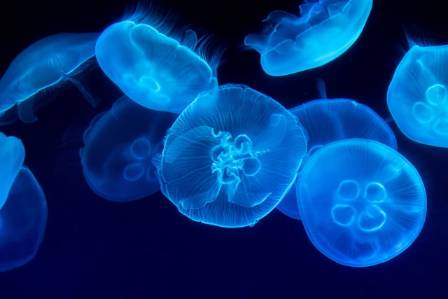
Jellyfish Can Learn from Mistakes—Even Without a Brain: A Breakthrough in Cognitive Biology
The idea that an animal can learn from experience without a brain sounds like science fiction, yet new research on the Caribbean box jellyfish (Tripedalia cystophora) proves it’s a biological reality. For decades, scientists assumed learning—even basic forms of associative learning—required a centralized nervous system, typically a brain or complex ganglia. Jellyfish, however, defy this fundamental assumption: they lack any concentrated nerve center, relying instead on a diffuse network of neurons spread across their bodies. This discovery not only reshapes our understanding of what it means to “learn” but also raises profound questions about the origins of cognition, suggesting that complex behaviors may have evolved earlier in the animal kingdom than previously thought.
COVER · en

Afternoon Tea Essentials: 10 Irresistible Dishes to Elevate Your Tea Time
Afternoon tea is more than just a meal—it’s a cherished cultural ritual that blends comfort, elegance, and connection. Originating in 19th-century England when Anna Russell, the 7th Duchess of Bedford, grew peckish between lunch and dinner, this tradition has evolved into a global phenomenon, celebrated for its ability to turn ordinary afternoons into memorable moments. Whether you’re hosting a intimate gathering with friends, enjoying a solo retreat, or impressing guests with a refined spread, the key to a perfect afternoon tea lies in balancing savory and sweet, classic and creative. From buttery scones to delicate finger sandwiches, each dish plays a role in crafting a harmonious experience that tantalizes the taste buds and nourishes the soul. Below, we explore the 10 best dishes to serve with afternoon tea, delving into their history, preparation tips, and creative twists to help you curate a spread that feels both timeless and fresh.
COVER · en

8 Cool Off-Roading Features for Trucks
If you're considering purchasing an off-road truck, you've probably thought about the advanced features that can enhance your driving experience.